

Basmati Rice
Basmati Rice: The Fragrant Grain That Grounds Without Weighing Down
Basmati rice is naturally sweet, light, and softly dry, with a delicate aroma that feels both comforting and refined. When well rinsed and cooked until tender, it becomes one of the easiest grains to digest. Its lightness allows it to nourish without clogging, making it especially supportive for Vata and Pitta, while heavier or excessive portions may increase Kapha.
Preparation matters deeply here. Soaking basmati for 20–30 minutes before cooking enhances digestibility and improves texture. Cooking it with a spoonful of ghee transforms the grain — softening its dryness and making it more grounding for Vata. Gentle spices like cumin, coriander, fennel, cardamom, or a pinch of turmeric elevate it from plain starch to digestive ally. Paired with lentils in kitchari, it becomes a complete, balancing meal that supports healthy agni and recovery after indulgence or illness.
Because basmati is lighter and less sticky than many other rice varieties, it is often easier on the digestive system. Its relatively lower glycemic impact compared to shorter-grain white rice can make it a steadier energy source when combined with fiber, fat, and protein. It’s ideal in transitional seasons — especially late winter into spring — when we want nourishment without heaviness.
In excess, or when eaten dry and unspiced, it can feel too light and drying for those already depleted. But prepared thoughtfully, basmati rice is a beautiful canvas — adaptable, seasonal, and quietly supportive of balance.
Storage
Store dry basmati rice airtight in a cool, dry cupboard. Cool cooked rice promptly, refrigerate within two hours, and use within a few days or freeze in small portions.
Preparation
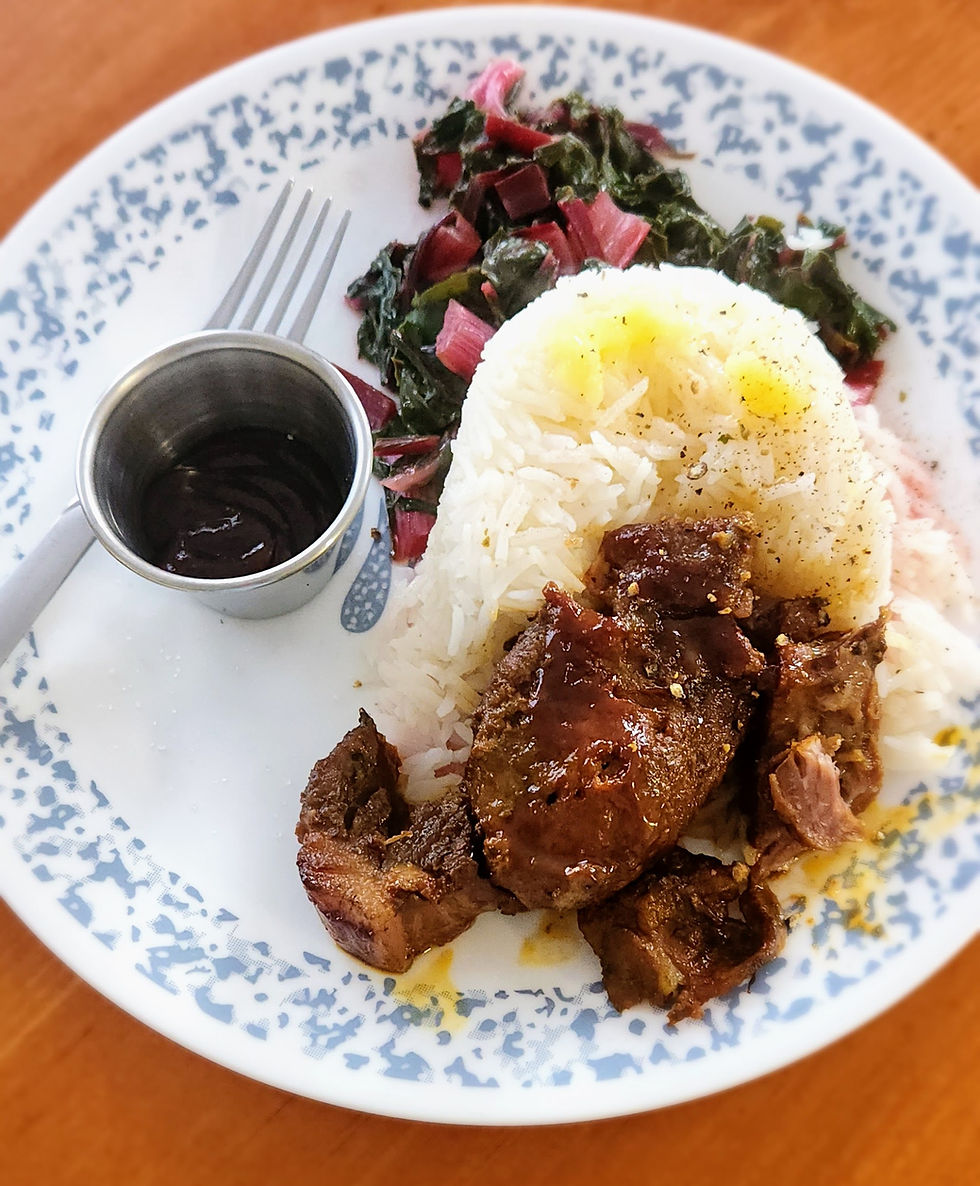
Rinse until the water is mostly clear and soak briefly if desired, then cook gently so the grains remain long and separate. White basmati is often considered light and digestible in Ayurveda, especially when served warm with ghee and well-cooked vegetables.
Preservation
Freeze cooked rice in shallow portions and reheat until steaming hot. Do not leave cooked rice sitting warm for extended periods, because surviving bacterial spores can grow as it cools.
Ways to Use an Abundance
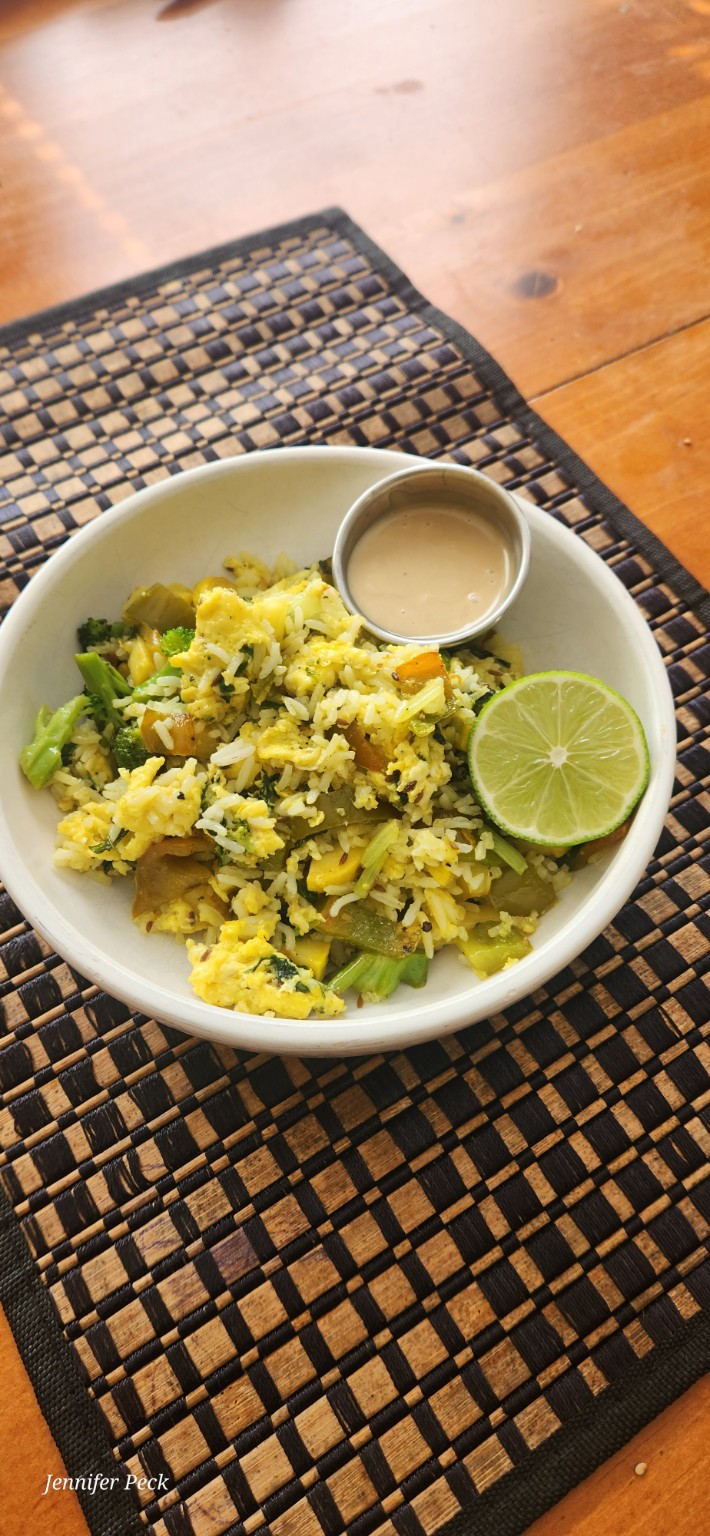
Serve with dal, make cumin rice or kitchari, add it to stuffed vegetables, or simmer leftovers with milk and cardamom for breakfast. A splash of water restores moisture when reheating.
Explore recipes with
Basmati Rice


.jpg)


.jpg)

How This Food Supports the Body
These functional categories highlight the primary ways this food or herb supports balance in the body. In Ayurveda, foods are not only nourishment — they also have specific actions that can influence digestion, the nervous system, hormones, immunity, and more.