The JenZen Living Food Guide
Explore food through Ayurveda, season, nourishment, and everyday life.
Food holds intelligence.
The JenZen Living Food Guide explores food through Ayurvedic energetics, modern nutrition, seasonal rhythms, and practical kitchen wisdom. This is a space for curiosity—not rigid rules. Notice how food tastes, how it feels in your body, and how preparation changes its effect.
Let food become a conversation, not a prescription.
Not sure where to begin?
Start with an ingredient you have on hand, a taste you are craving, the season you are moving through, or the kind of support your body needs.

Acorn Squash
Acorn squash is sweet, grounding, and made for cooler days. Its flesh is slightly firmer and drier than butternut squash, so it becomes especially supportive for Vata when roasted until tender and served with ghee, oil, warming spices, or a moist filling. Its natural sweetness is also gentle for Pitta, while heavier portions may increase Kapha.

.jpg)
.jpg)
Arugula
Arugula brings a lively peppery bite that awakens meals and brightens the plate. Particularly supportive in spring and warmer weather, it helps lighten heaviness while adding freshness to salads, soups, grain bowls, and even tucked beneath warm meals. Lightly wilted or paired with healthy fats helps make it more grounding for Vata types.

Ashwagandha
Ashwagandha (Withania somnifera) is one of Ayurveda’s most revered rejuvenating herbs, traditionally used to support strength, resilience, and nervous system balance. Its grounding qualities help calm Vata while gently building vitality and endurance. Often taken with warm milk, ghee, or honey, it nourishes the body while supporting long‑term energy and restoration.


Bacopa (Brahmi, Bacopa monnieri)
Bacopa, traditionally known as Brahmi, is a revered Ayurvedic herb for supporting memory, focus, and mental clarity. Its cooling and calming qualities help soothe Vata and Pitta, making it a favorite for nervous system nourishment. It is often taken with honey or ghee to enhance absorption and support the mind.


.jpg)


Black Pepper
Black pepper is one of Ayurveda’s most powerful digestive spices, known for stimulating metabolism and improving the absorption of nutrients. Used in small amounts, it gently awakens digestion while helping clear congestion and stagnation. Its warming nature makes it especially supportive for balancing Vata and Kapha.

Black Rice
Black rice is a deeply nourishing, slightly sweet grain that turns a beautiful purple hue as it cooks. Best enjoyed warm and well-prepared with ghee or spices, it gently supports Pitta and Kapha while offering grounding, steady energy. A lovely choice when you want something earthy, rich, and satisfying.


Brussels Sprouts
Brussels sprouts are a slightly bitter, earthy vegetable that support clarity and lightness in the body. When roasted or sautéed with ghee and warming spices, they beautifully pacify Pitta and Kapha while keeping digestion strong. A wonderful fall and winter garden crop that rewards patience.

.jpg)


Cardamom
Cardamom is a beautifully aromatic spice that gently warms and awakens digestion without overwhelming heat. Often added to tea, kitchari, baked goods, or warm milk, it helps soothe Vata and Kapha while keeping meals light and uplifting. A little goes a long way in both flavor and digestive support.


.jpg)

Celery
Celery is a light, mineral-rich vegetable with a subtle natural saltiness that supports digestion, hydration, and healthy fluid balance. Often overlooked as merely a soup base, fresh celery offers cleansing, aromatic, and grounding qualities that can easily become the star of a nourishing meal.

Chard
Chard offers two vegetables in one: tender mineral-rich leaves and colorful, softly crisp stems. Its bitter and astringent qualities help clear excess heat and heaviness, making it especially supportive for Pitta and Kapha. Cook the stems first, then add the leaves, using ghee or olive oil and warming spices to soften chard’s naturally light, drying qualities.

Chia Seeds
Chia seeds are grounding and nourishing, especially when soaked into a soft pudding or stirred into warm porridge. Their natural gel-like quality supports hydration and steadiness, making them helpful for Vata and Pitta when used in moderation. Best enjoyed soaked and gently spiced rather than eaten dry.


Chicken Bone Broth
Chicken bone broth is deeply nourishing and grounding, especially when slow-simmered with spices and a splash of apple cider vinegar. It soothes the gut, supports recovery, and gently strengthens those feeling depleted. Particularly supportive for Vata and Pitta, it’s a beautiful staple during colder months or times of healing.

Chickpea
Chickpeas are hearty and satisfying, offering plant-based protein and fiber that help lighten and balance Kapha and gently support Pitta when properly prepared. Best enjoyed well-cooked with digestive spices and a drizzle of ghee, they become grounding without feeling heavy. A kitchen staple for soups, stews, and spreads.


Cinnamon
Cinnamon is a warming, aromatic spice that stimulates digestion and circulation while bringing natural sweetness to foods. Often added to porridges, teas, and spice blends, it helps warm the body and support metabolism. Its heating nature makes it especially helpful for balancing Vata and Kapha.

Clams
Clams are deeply nourishing, mineral-rich shellfish traditionally valued for their strengthening and rebuilding qualities. Particularly supportive for Vata when served warm and well-seasoned, they offer one of the richest natural food sources of vitamin B12 and pair beautifully with brothy soups, herbs, aromatics, and seasonal vegetables.


Coriander
Coriander is a gentle digestive spice that helps cool and soothe the digestive system while supporting healthy metabolism. When lightly toasted or sautéed in ghee, it brings a mild citrusy warmth to foods without overheating the body. Its balanced nature makes it one of the few spices suitable for all three doshas.


Cumin
Cumin is one of the most trusted digestive spices in the Ayurvedic kitchen, known for gently awakening digestion and reducing gas and bloating. When sautéed in ghee or oil at the beginning of cooking, it releases its warming aroma and supports healthy metabolism. Its balancing nature makes it particularly supportive for Vata and Kapha.


Dill
Delicate yet distinctive, fresh dill brings a bright, aromatic flavor that complements summer vegetables, yogurt, eggs, fish, and potatoes without overpowering them. In Ayurveda, dill has long been valued for supporting healthy digestion, helping heavier meals feel lighter while gently balancing Vata and Kapha.


Garlic Scapes
Garlic scapes are the tender flowering stems of hardneck garlic, offering a milder, sweeter garlic flavor with a fresh green character. They bring brightness and depth to stir-fries, soups, eggs, grain dishes, pestos, and seasonal cooking while preserving beautifully as homemade garlic scape powder.

Ghee
Ghee is one of Ayurveda’s most revered kitchen staples, known for nourishing digestion and calming the nervous system. Its smooth, grounding nature makes it especially supportive for Vata and soothing for Pitta. Use it to sauté spices, enrich grains, or melt over warm meals for deeper nourishment — and see my simple step-by-step video for how to make it easily at home.


Gotu Kola
Gotu kola is a calming Ayurvedic herb traditionally used to support memory, mental clarity, and healthy circulation. Its cooling, stabilizing qualities help soothe Vata and Pitta, making it especially supportive for the nervous system and mind. Often prepared as a tea or taken with honey or ghee, it gently nourishes the brain and promotes steady focus.


Green Beans
Green beans are one of summer’s most versatile and approachable vegetables, offering gentle sweetness with a fresh garden crispness. Whether green, purple, or yellow varieties, they shine lightly steamed, sautéed, roasted, pickled, or tucked into seasonal bowls, soups, and simple meals straight from the garden.

Green Onions
Green onions bring brightness, freshness, and gentle warmth to meals without the heaviness of mature onions. Their fresh green tops and tender white stems make them incredibly versatile for soups, grain bowls, eggs, dressings, sautés, and seasonal cooking, while excess abundance can easily be preserved into flavorful homemade green onion powder.


Honey
Raw honey is one of Ayurveda’s most revered natural foods, valued for its light and gently cleansing qualities. When used properly—never heated and taken in small amounts—it helps balance Kapha and Pitta while supporting digestion and respiratory health. A spoonful stirred into warm tea, herbal preparations, or taken with herbs makes it both nourishing and medicinal.


Lamb's Quarters
Lamb's Quarters is a highly nutritious wild green often mistaken for a weed. Similar to spinach but richer in minerals and earthy flavor, it becomes tender and nourishing when cooked, making it a wonderful addition to soups, brothy noodle bowls, grain dishes, sautés, and seasonal meals.


Lettuce
Lettuce offers far more than the traditional salad bowl. Its cooling, hydrating nature makes it especially supportive in spring and summer, and it can easily be tucked into warm grain bowls, soups, wraps, sandwiches, and layered beneath everyday meals for added freshness and nourishment. Light cooking or pairing with healthy fats helps make lettuce gentler and more grounding for Vata.

Licorice Root
Licorice Root (Glycyrrhiza glabra) is one of Ayurveda’s most revered rejuvenating herbs, known for its deeply nourishing, moistening, and harmonizing effects. Its sweet taste builds ojas, soothes irritated tissues, and supports the respiratory, digestive, and endocrine systems. Especially beneficial for Vata and Pitta imbalances, licorice offers grounding, cooling, and restorative qualities when used appropriately.


Mint
Mint brings immediate freshness, brightness, and cooling relief to both food and drink. Whether using spearmint or peppermint, it supports digestion while adding vibrant flavor to teas, salads, sauces, grain dishes, desserts, and summer meals. Used thoughtfully, mint can transform even simple foods into something refreshing and alive.


Nutmeg
Nutmeg is a warming, aromatic spice that gently settles digestion and calms the nervous system when used in small amounts. A pinch stirred into warm milk, oats, or stewed fruit can help ground scattered energy and support restful sleep. Especially supportive for Vata and Kapha when used mindfully.

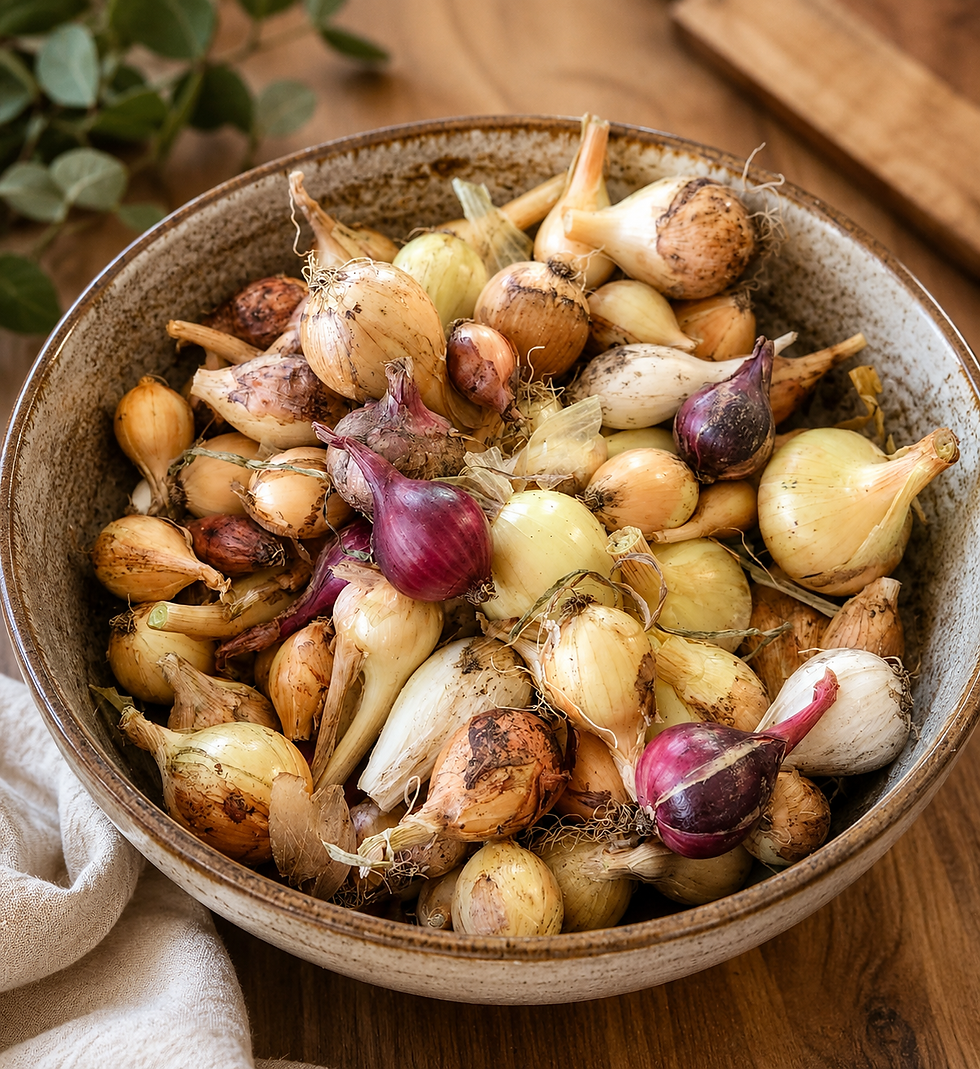
Onions
Onions are one of Ayurveda’s foundational kitchen foods, often beginning a meal alongside ghee and digestive spices to build flavor, warmth, and digestive strength. Cooked onions become sweet, grounding, and nourishing for Vata, while raw onions are much sharper, more heating, and stimulating. Different varieties offer slightly different energetic effects, but all onions carry a deeply building and transformative kitchen medicine quality.

Oregano
Oregano brings warmth, depth, and earthy brightness to meals while gently stimulating digestion and circulation. Used fresh or dried, it pairs beautifully with soups, roasted vegetables, beans, tomato dishes, broths, and Mediterranean-inspired cooking, especially during cooler or damp seasons.


Peaches
Soft, juicy, and deeply satisfying, peaches embody the sweetness of late summer. Their hydrating nature helps soothe Vata and cool excess Pitta, especially when fully ripe and eaten simply. Lightly stewed peaches with warming spices become even gentler for digestion as the seasons begin to shift toward fall.


Pippali
Pippali (long pepper) is a warming, penetrating Ayurvedic spice with a special affinity for the lungs and digestive system. Traditionally used to clear excess Kapha from the respiratory tract while strengthening weakened lung tissue, it stimulates agni, reduces ama, and enhances the absorption of other herbs. Particularly supportive during damp, heavy spring seasons, Pippali helps relieve congestion, sluggish digestion, and metabolic stagnation while offering deeper rejuvenative qualities than black pepper.

Pomegranate
Pomegranate is bright, juicy, and deeply astringent, offering a refreshing balance of sweetness and tartness. Ayurveda especially values the fruit for cooling excess heat and supporting digestion without heaviness. Enjoy the arils fresh, spoon them over warm grains, or use a little juice in seasonal drinks and sauces.

Potatoes
White potatoes are grounding, comforting, and deeply versatile staple foods that can support Vata and Pitta when properly prepared. Roasted, mashed, boiled, baked, or simmered into soups and stews, potatoes become far more balanced when paired with healthy fats, warming spices, and digestive herbs.


Pumpkin Seeds
Pumpkin seeds offer concentrated nourishment in a small package, with protein, beneficial fats, magnesium, zinc, and a pleasantly earthy crunch. Their oily, building qualities can steady Vata, while their cooling nature is generally gentle for Pitta. Toast lightly and use in moderation when Kapha or digestion feels heavy.


Red Rice
Red rice is an earthy whole grain with a chewy bran layer, grounding sweetness, and more substance than white rice. Cooked until fully tender with enough water, it can nourish Vata and feel steady for Pitta. Its density may be heavy for Kapha or delicate digestion, making spices and portion size important.