

Basil
Basil: Aromatic Clarity in a Leaf
Basil carries a distinctly pungent and slightly bitter taste with light, dry, and sharp qualities that awaken the senses and gently stimulate digestion. Its aromatic nature helps clear sluggishness and heaviness, making it particularly supportive for Kapha and balancing for Vata when used moderately. Because of its intensity, excess basil may increase Pitta, especially in very hot weather or in those already running warm.
Fresh basil leaves bring brightness to salads, pestos, soups, and grain dishes. When added at the end of cooking, its volatile oils remain vibrant and active. Lightly cooking basil softens its sharp edge, making it easier on sensitive digestion while still supporting agni. Drying the leaves concentrates its flavor and drying quality, which can be helpful in damp, heavy seasons but should be used more sparingly for those prone to dryness.
Seasonally, basil shines in late spring and summer gardens, when warmth supports its growth. Though it carries warming energy in action, its fresh green vitality feels uplifting rather than heavy. A handful of fresh leaves stirred into warm vegetables, blended into a sauce with good olive oil, or steeped gently as tea can help move stagnation and refresh the mind.
From a modern perspective, basil contains aromatic compounds and antioxidants that support immune health and overall vitality. But in the kitchen, its true medicine lies in its fragrance — the way it instantly transforms a simple meal into something alive and nourishing.
Storage
Keep basil stems in a small jar of water at room temperature, loosely covered, or wrap the leaves gently if refrigeration is necessary. Cold temperatures can blacken tender basil, so use it promptly.
Preparation
Tear or slice basil just before serving, stir it into warm dishes at the end, or blend it with oil and seeds. Its aromatic pungency brightens rich foods; Ayurveda generally treats basil as warming, so use a lighter hand when Pitta is high.
Preservation
Freeze basil as pesto, blend leaves with oil in ice-cube trays, or dry them gently away from strong light. Frozen preparations usually preserve fresh flavor better than drying.
Ways to Use an Abundance
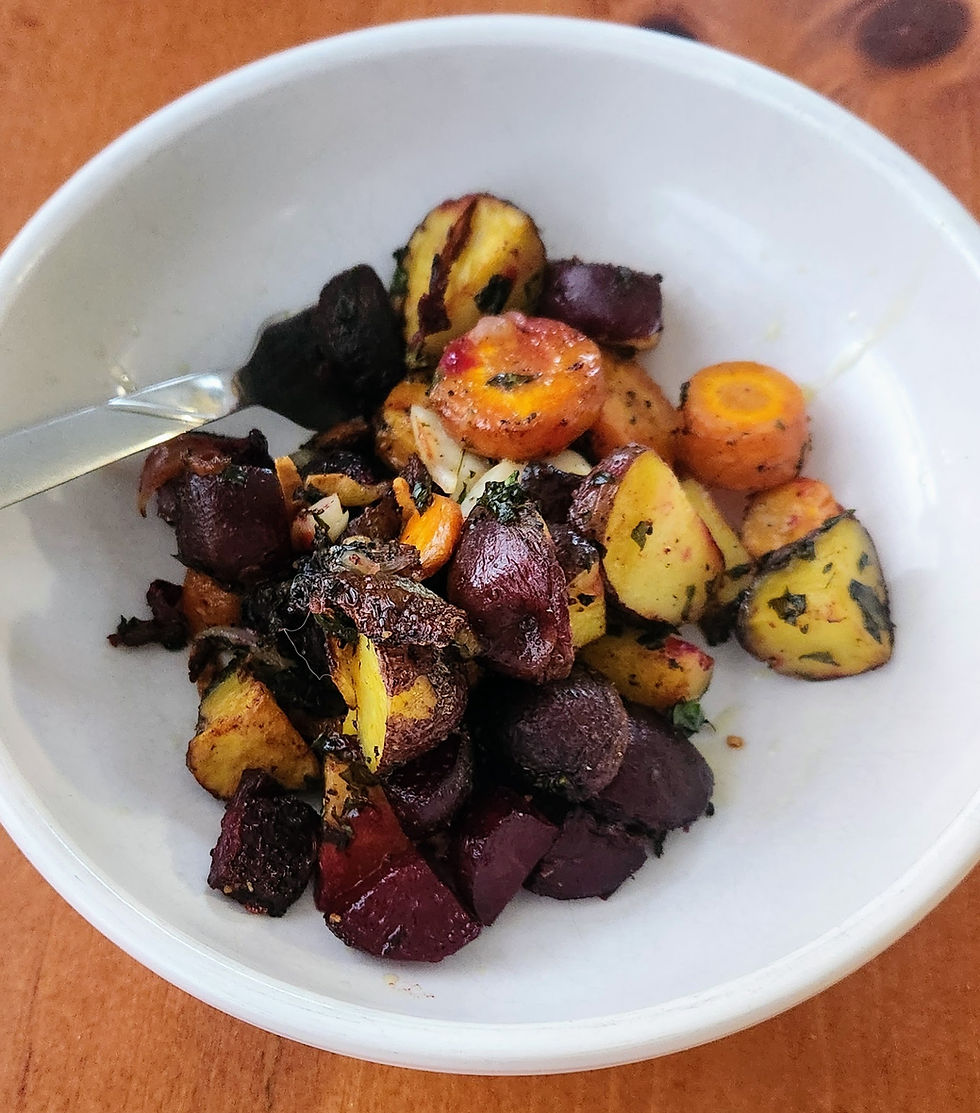
Make pesto, basil oil, tomato sauce, herb chutney, soup, or a fresh garnish for roasted vegetables. Blend surplus leaves with parsley or carrot tops when you need a larger batch of green sauce.
Explore recipes with
Basil


.jpg)


How This Food Supports the Body
These functional categories highlight the primary ways this food or herb supports balance in the body. In Ayurveda, foods are not only nourishment — they also have specific actions that can influence digestion, the nervous system, hormones, immunity, and more.