

Cumin
Cumin: The Quiet Digestive Hero of the Ayurvedic Kitchen
Cumin is one of Ayurveda’s most reliable spices for supporting digestion and maintaining balance in everyday cooking. With its pungent and slightly bitter taste and light, dry qualities, cumin gently stimulates digestive fire while helping the body break down and assimilate food more efficiently. Unlike stronger heating spices, its action is steady and supportive, making it ideal for daily use.
In traditional Ayurvedic cooking, cumin is often added to warm ghee or oil at the beginning of a dish. This simple step releases its aromatic oils and enhances its digestive benefits. From soups and stews to vegetable dishes, grains, and legumes, cumin helps reduce gas and bloating while promoting smoother digestion. It is commonly paired with other digestive spices such as coriander, fennel, ginger, and black pepper, forming classic spice blends used throughout Ayurvedic cuisine.
Cumin is particularly helpful when digestion feels sluggish or heavy foods are being consumed. Its warming yet balanced nature supports Vata and Kapha, while those with very strong internal heat may prefer moderate amounts during hotter seasons.
When used regularly in cooking, cumin helps maintain digestive rhythm and metabolic stability.
From a modern nutritional perspective, cumin contains antioxidants and compounds that may support digestion, metabolism, and blood sugar balance. Yet in Ayurveda, its true power lies in its consistent presence in the kitchen — quietly supporting the digestive process meal after meal.
Related Articles
• Cumin: The Quiet Digestive Hero of Winter Cooking
• 5 Best Ayurvedic Spices for Spring (And Why Your Body Craves Them)
• Routine as the Foundation of Balance and Health
Related Ingredients
• Fennel
• Ginger
• Pippali
• Turmeric
• Ghee
Traditional Combinations
Cumin is often paired with coriander and fennel for balanced digestive support, or with ginger, turmeric, black pepper, Hingvastak, and ghee when more warmth is needed. It complements beans, lentils, rice, eggs, root vegetables, cabbage, squash, meat, and broth.
Kitchen Use
Bloom whole seeds in ghee until fragrant or add ground cumin early enough for the raw flavor to mellow. Cumin brings depth without requiring chili heat, making it one of the easiest Ayurvedic spices to use in everyday Western meals.
Explore recipes with
Cumin

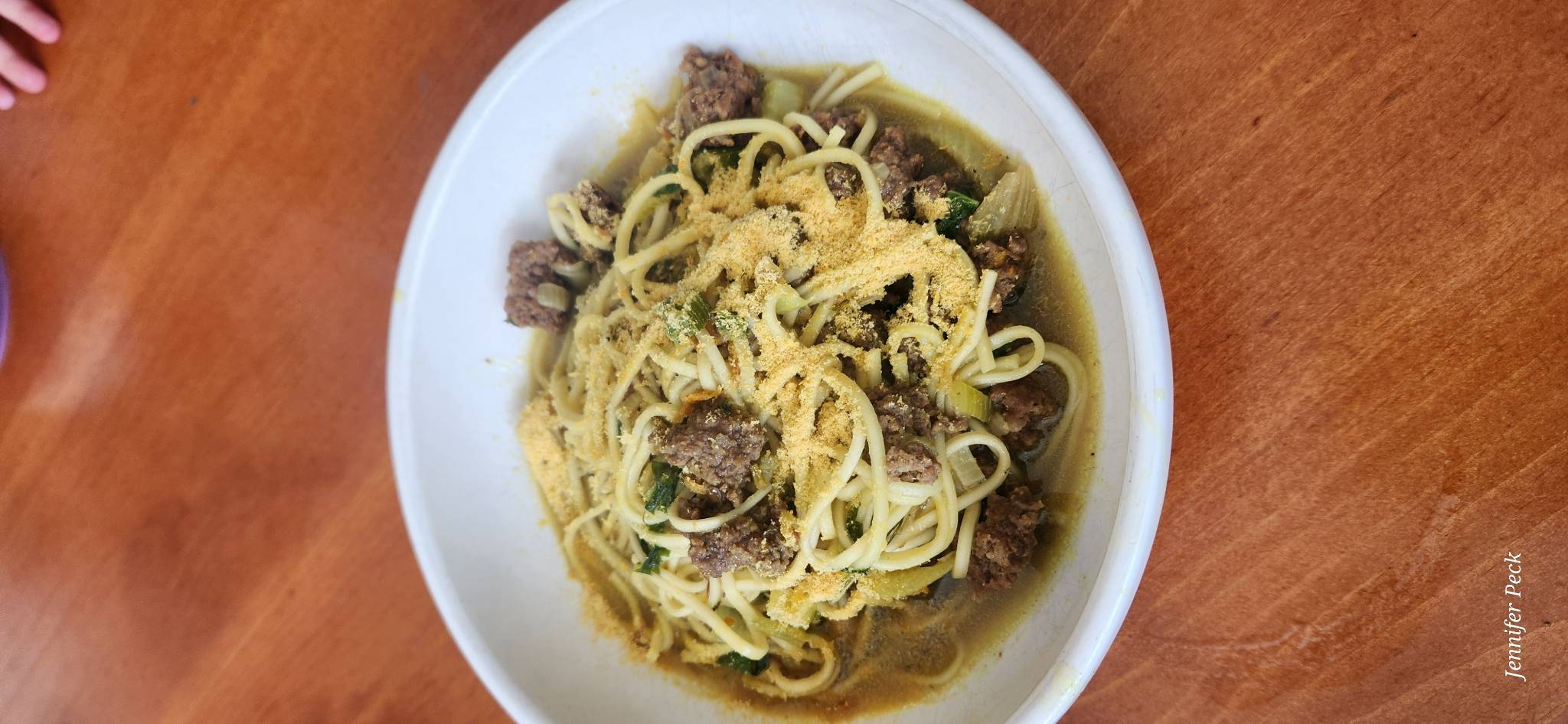

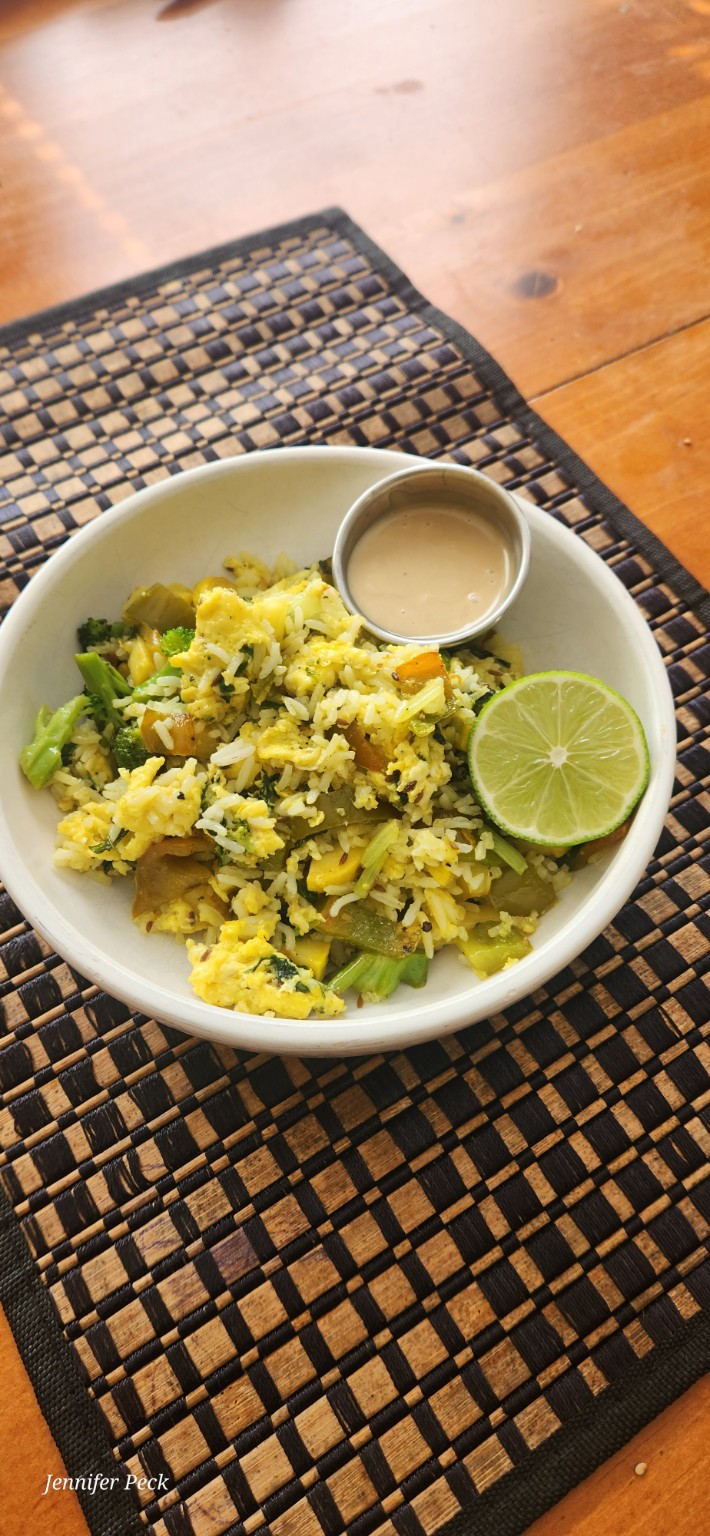


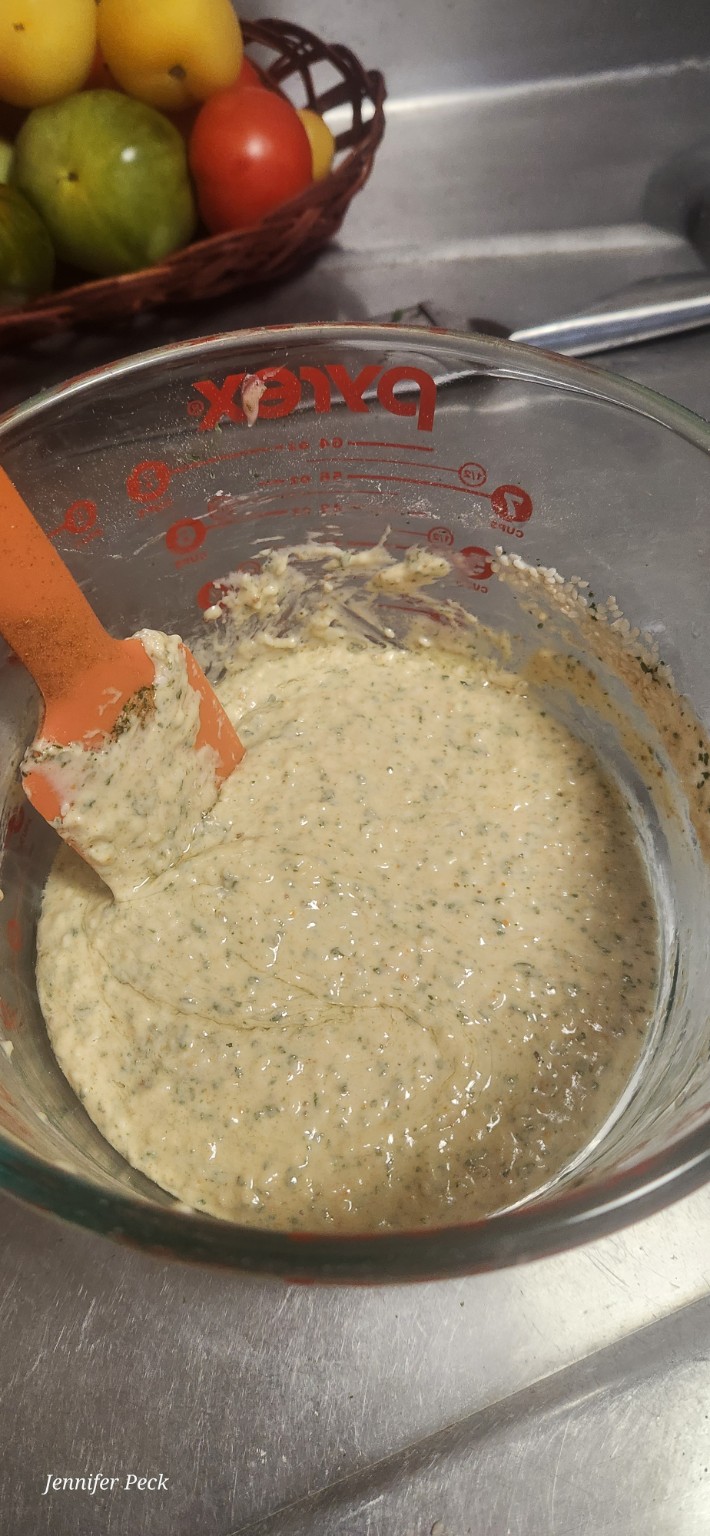


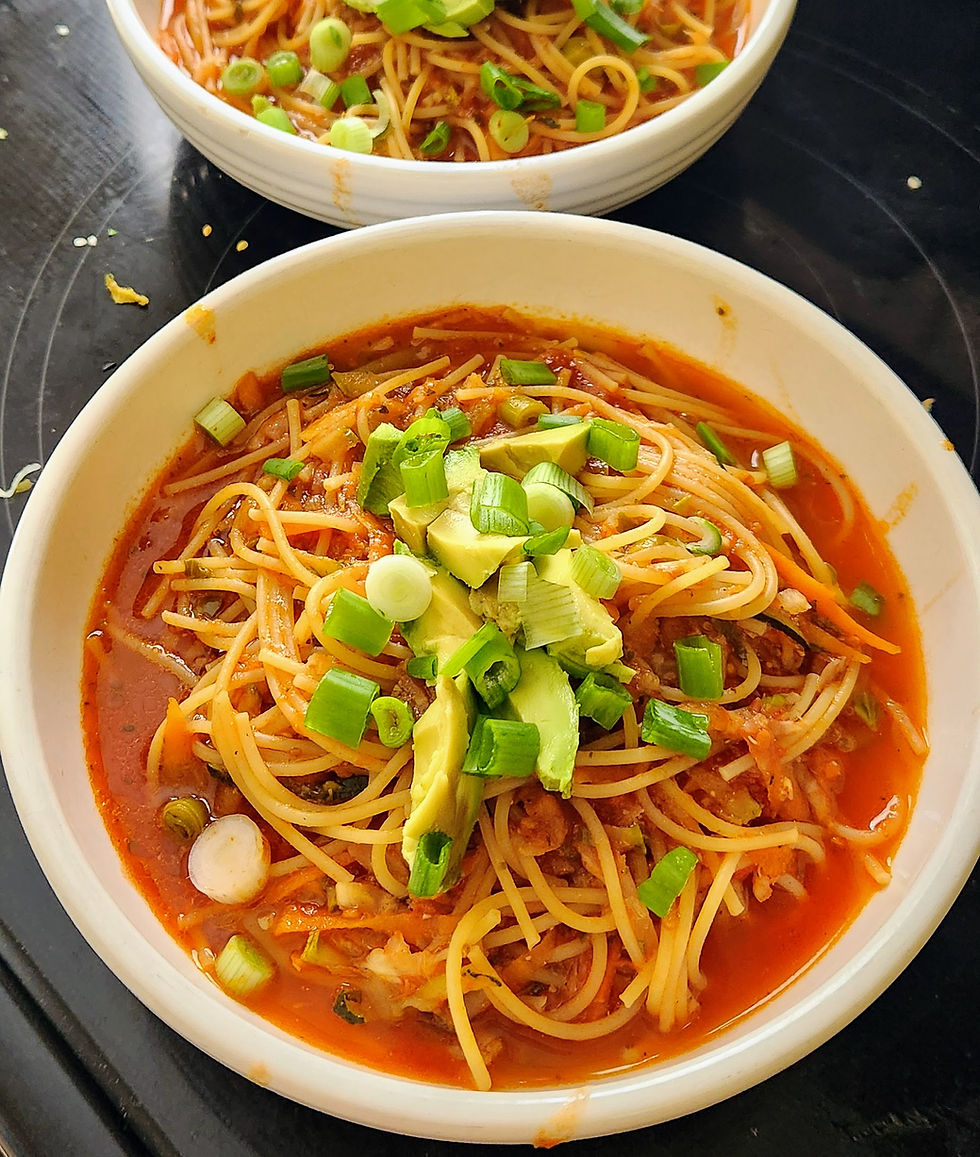


.jpg)




.jpg)


How This Food Supports the Body
These functional categories highlight the primary ways this food or herb supports balance in the body. In Ayurveda, foods are not only nourishment — they also have specific actions that can influence digestion, the nervous system, hormones, immunity, and more.