
Coconut Pollock & Butternut Chowder
𝐀 𝐜𝐫𝐞𝐚𝐦𝐲, 𝐠𝐫𝐨𝐮𝐧𝐝𝐢𝐧𝐠 𝐰𝐢𝐧𝐭𝐞𝐫 𝐜𝐡𝐨𝐰𝐝𝐞𝐫 𝐭𝐡𝐚𝐭 𝐧𝐨𝐮𝐫𝐢𝐬𝐡𝐞𝐬 𝐝𝐢𝐠𝐞𝐬𝐭𝐢𝐨𝐧, 𝐬𝐭𝐞𝐚𝐝𝐢𝐞𝐬 𝐭𝐡𝐞 𝐧𝐞𝐫𝐯𝐨𝐮𝐬 𝐬𝐲𝐬𝐭𝐞𝐦, 𝐚𝐧𝐝 𝐬𝐚𝐭𝐢𝐬𝐟𝐢𝐞𝐬 𝐰𝐢𝐭𝐡𝐨𝐮𝐭 𝐡𝐞𝐚𝐯𝐢𝐧𝐞𝐬𝐬.
This chowder is a nourishing Vata–Kapha balancing meal—warm, moist, grounding, and digestively supportive. Ghee, cumin, and fennel gently kindle agni, while coconut milk and root vegetables provide stability and comfort. Pollock offers clean, light protein, and fresh cilantro keeps the dish vibrant and clear.
SERVES
6-8
PREP
15 minutes
COOK
40 minutes

Ingredients
4 Tbsp ghee
1 tsp cumin seeds
1 tsp fennel seeds
1 small red onion, diced
1 cup fresh fennel bulb, sliced
2 cups butternut squash, peeled and cubed
2 cups potatoes, diced
1 lb wild pollock, cut into bite-size pieces
1 (12 oz) can full-fat coconut milk
2 quarts chicken feet broth (or rich chicken bone broth)
Fresh lemon juice, to taste
Fresh cilantro, chopped (generous!)
Method
In a large soup pot, warm the ghee over medium heat. Add the cumin seeds and fennel seeds and allow them to gently sizzle until fragrant.
Add the red onion and fresh fennel, sautéing until soft, translucent, and lightly sweet.
Stir in the butternut squash and potatoes, coating the vegetables in the spiced ghee.
Pour in the chicken feet broth, just enough to cover the vegetables. Bring to a gentle simmer and cook until the vegetables are tender.
Stir in the coconut milk, creating a creamy, cohesive base.
Gently add the pollock, simmering just until the fish is cooked through and flakes easily. Avoid boiling.
Finish with fresh lemon juice to brighten and balance the richness.
Ladle into bowls and top generously with fresh cilantro.
This Coconut Pollock & Butternut Chowder is a beautiful example of comfort food that also functions as quiet medicine. From an Ayurvedic perspective, cumin and fennel stimulate digestion while reducing gas and heaviness, making this a chowder that supports agni rather than dulls it. Ghee and coconut milk add unctuousness and nourishment, supporting the nervous system and promoting satiety without relying on dairy.
Butternut squash and potatoes provide grounding carbohydrates that help steady blood sugar and calm Vata, while remaining easy to digest when well-cooked. Pollock, a mild and lean white fish, contributes high-quality protein and essential minerals without the heaviness of richer seafood. The use of chicken feet broth adds collagen, gelatin, and minerals, supporting gut integrity, joints, and connective tissue from a Western nutritional lens.
A final squeeze of lemon juice enhances digestive secretions and lifts the richness of the soup, while fresh cilantro offers a gentle detoxifying quality that keeps the chowder feeling clean and bright. The result is a deeply nourishing, seasonally appropriate bowl—comforting, balanced, and quietly restorative.
Warmth, Ladled and Shared

Learn More
Ayurveda views warm soups and stews as deeply nourishing foods that support digestion and seasonal balance. Ingredients like squash, warming spices, and mineral-rich broth help strengthen agni (digestive fire) while grounding the body during colder seasons.
If you'd like to explore more about seasonal nourishment and Ayurvedic lifestyle practices, these articles offer deeper insight:
Explore the Ingredients
Each ingredient in this recipe offers its own unique qualities and actions in the body. In Ayurveda, food is more than nourishment — it is medicine. Click below to learn how these ingredients support balance, digestion, and overall well-being.

Cumin

Fennel Seed
.jpg)
Butternut Squash

Fennel Bulb

Cilantro

Chicken Bone Broth

Potatoes
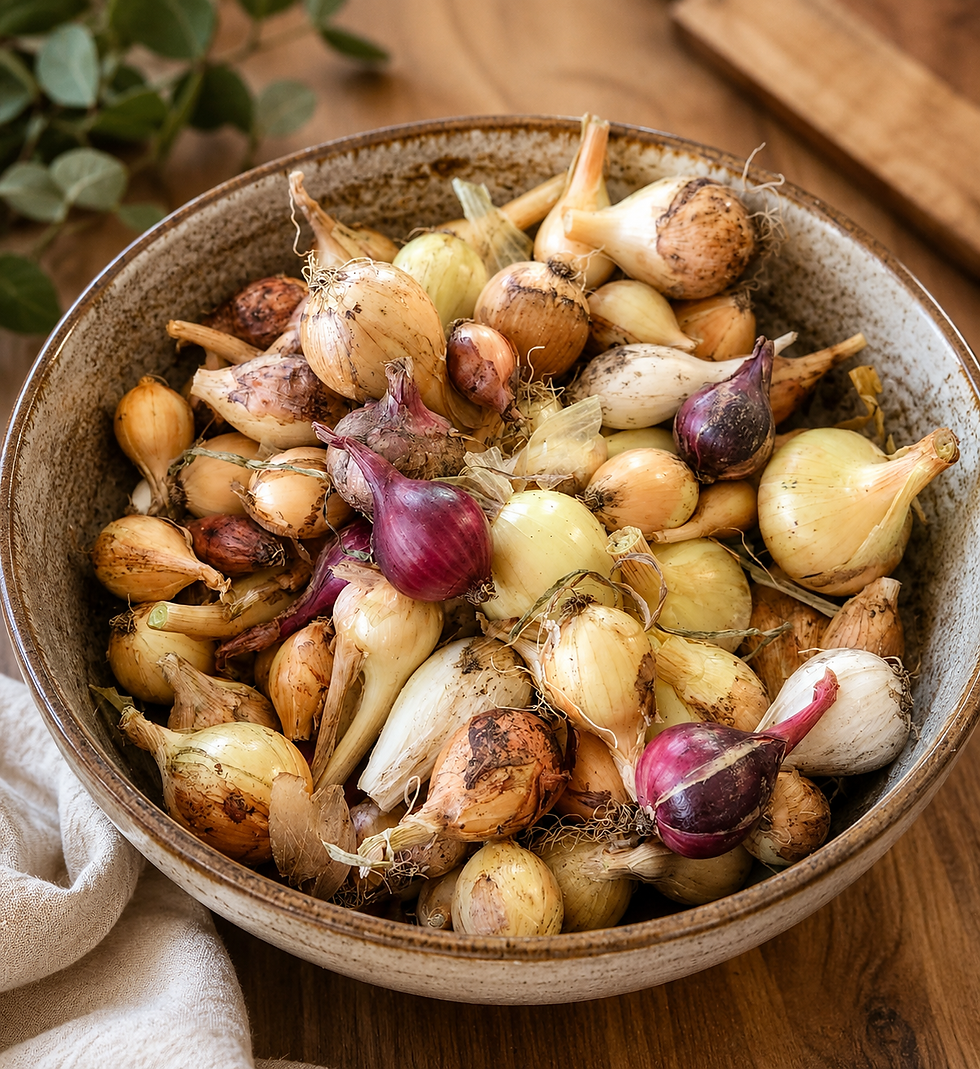
Onions

Lemon
