

Ghee
Ghee: Liquid Gold for Digestion and Deep Nourishment
Ghee is clarified butter that has been gently simmered to remove milk solids, leaving behind a pure, golden fat. It carries a naturally sweet taste and deeply oily, smooth, soft, and heavy qualities. These traits make it profoundly grounding and stabilizing — especially supportive for Vata and soothing for Pitta.
Unlike many fats, ghee is uniquely revered in Ayurveda for its ability to strengthen digestion rather than burden it when used appropriately. In small daily amounts, it helps kindle digestive strength while also protecting the gut lining from dryness and irritation. Its unctuous nature counterbalances dryness, roughness, and nervous system depletion.
Preparation matters even here. High-quality ghee made from grass-fed butter, slowly clarified, carries the most nourishment. A small spoonful is often sufficient — excess can increase heaviness, particularly for Kapha or during damp spring months.
Uses in the kitchen:
Sautéing spices at the beginning of soups and stews
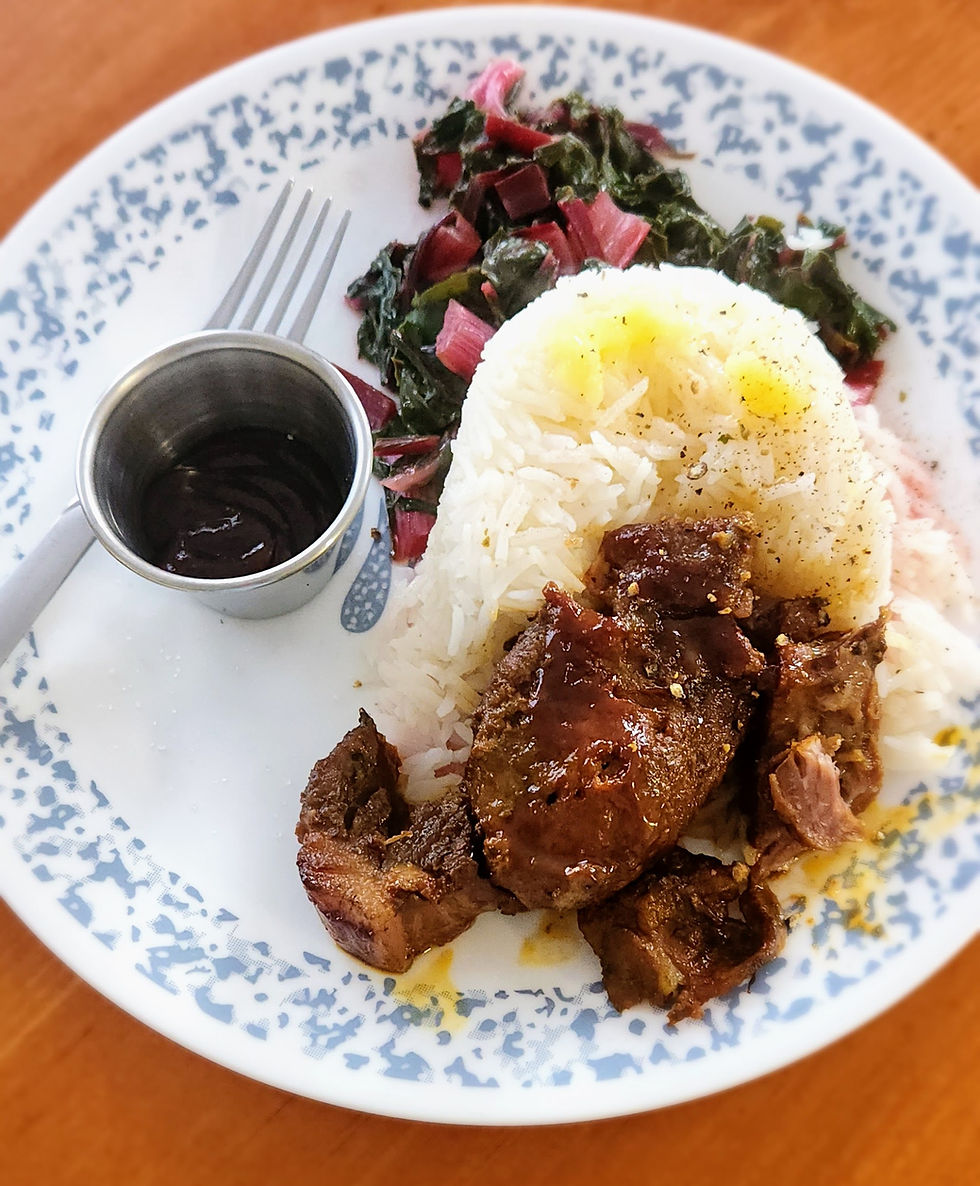
Stirring into warm grains like rice or sorghum
Melting over steamed vegetables
Blending into warm milk or herbal tonics
Adding to morning porridge for sustained energy
Ghee also acts as a carrier (anupan), helping deliver the qualities of spices deeper into the tissues. This is why so many traditional preparations begin by warming spices in ghee — it awakens both flavor and digestibility.
From a modern perspective, ghee contains fat-soluble vitamins and short-chain fatty acids that support gut health. When used mindfully, it provides steady nourishment without the inflammatory effects often associated with processed fats.
In the Ayurvedic kitchen, ghee is less a luxury and more a foundational medicine — simple, steady, and deeply restorative.
Watch my step‑by‑step video on how I easily make ghee at home — it’s simpler than most people think.
This is one of my two primary cooking fats, and I lovingly go through up to 2 pounds a week in my kitchen. It’s truly a daily staple here.
Related Articles
• Herbal Oil Benefits for Pain Relief, Healing and Nervous System Support
• 5 Best Ayurvedic Spices for Spring (And Why Your Body Craves Them)
• Routine as the Foundation of Balance and Health
Related Ingredients
• Ginger
• Turmeric
• Cumin
• Fennel
(These spices are often sautéed in ghee to release their digestive and medicinal properties.)
Traditional Combinations
Ghee is classically paired with rice, dal, kitchari, oats, milk, dates, turmeric, cumin, and other spices. It carries aromatic flavors beautifully and can soften dry or strongly spiced foods.
Use with Awareness
Use according to personal digestion, dietary needs, and professional guidance when managing cholesterol, fat absorption, or other health conditions. Ghee is food, not a substitute for medical treatment.
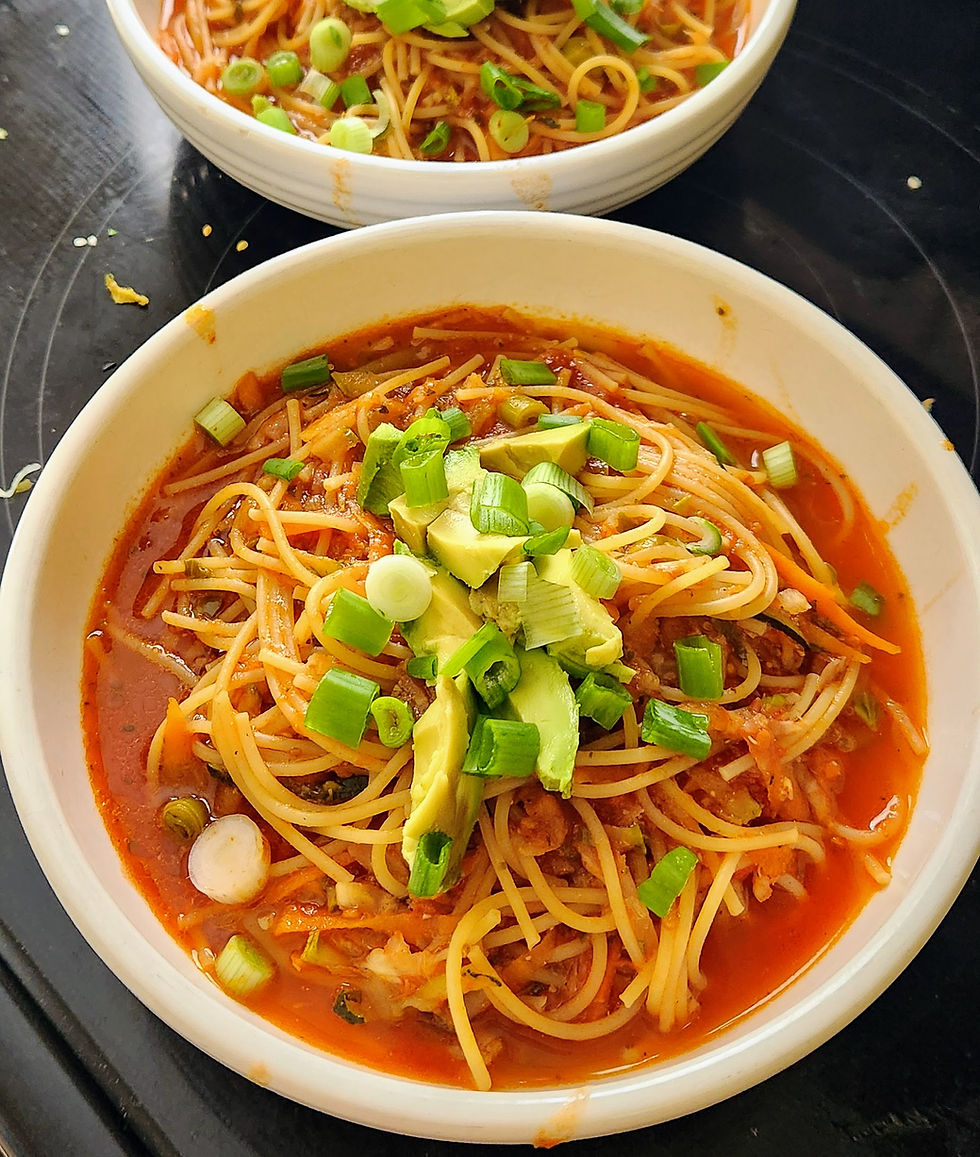
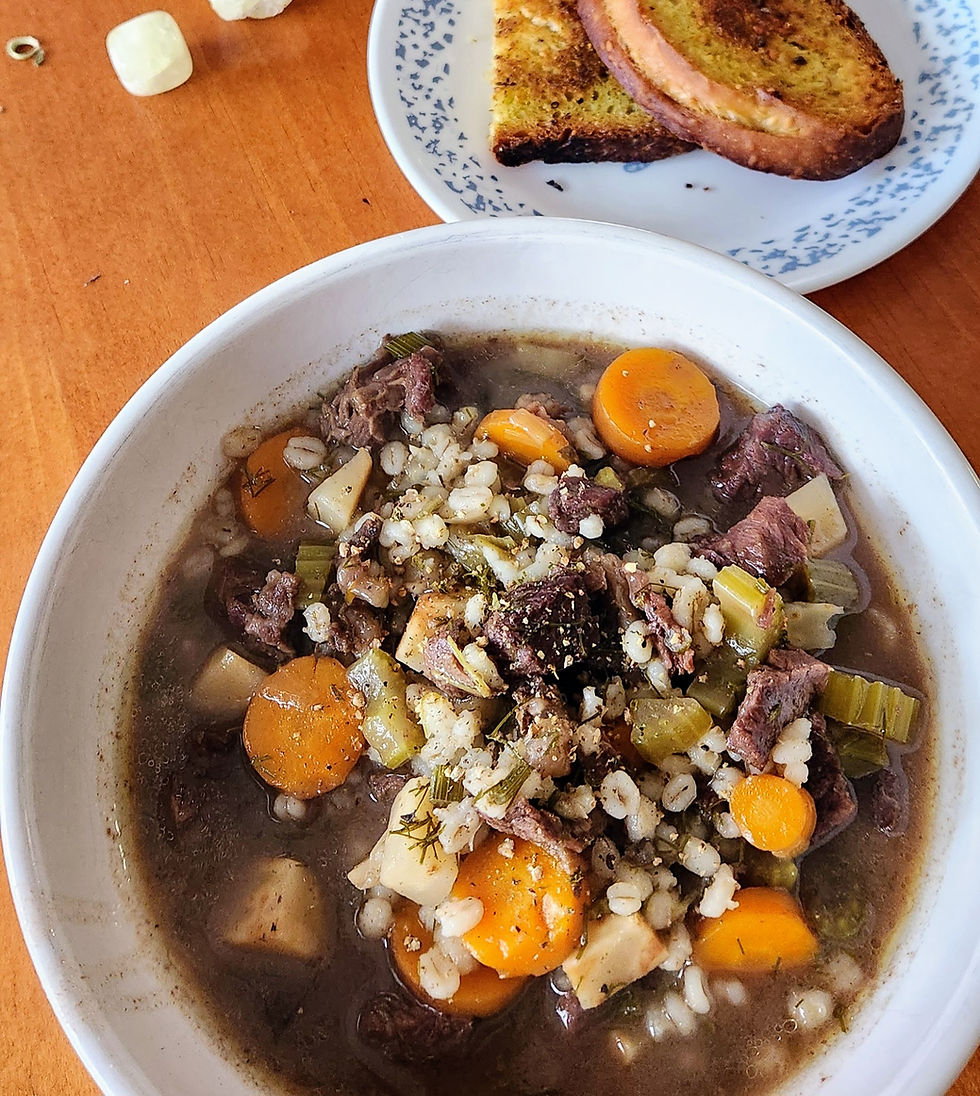
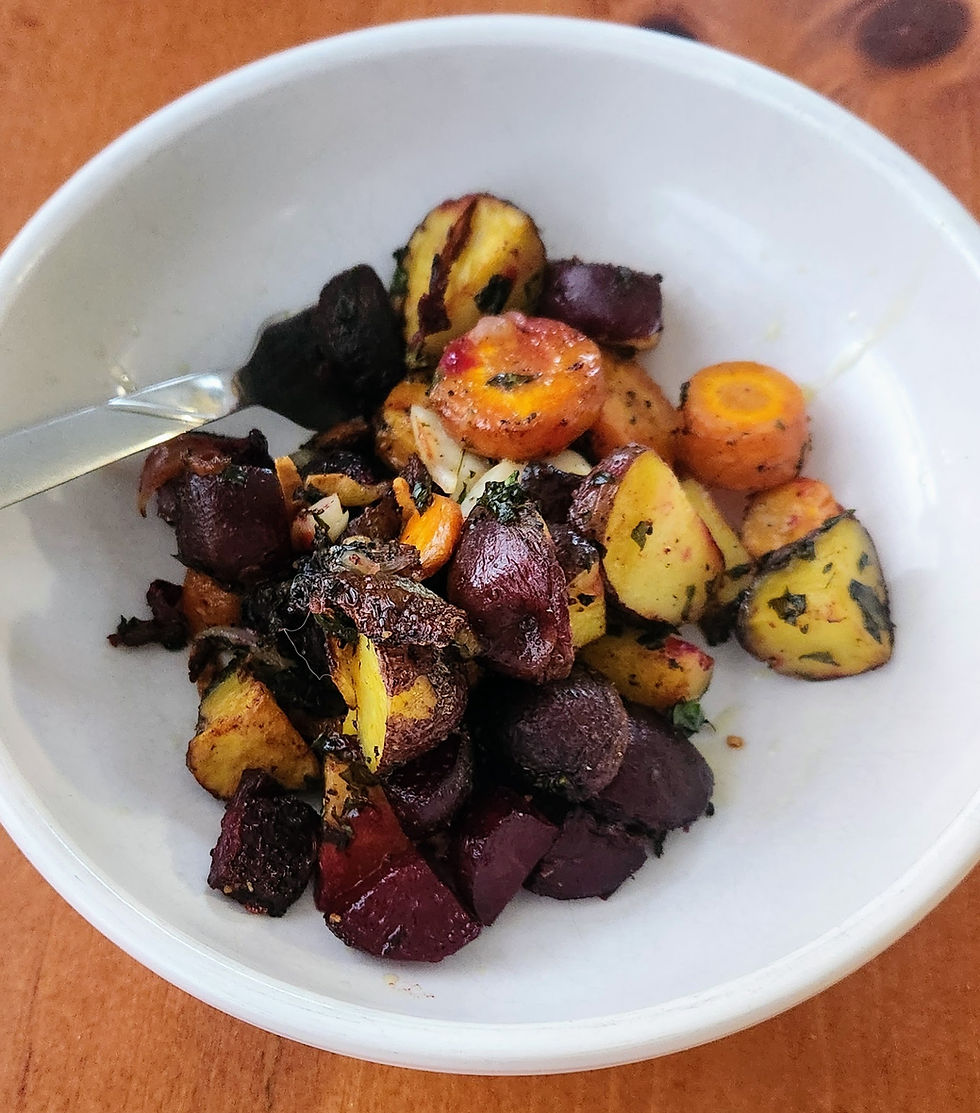
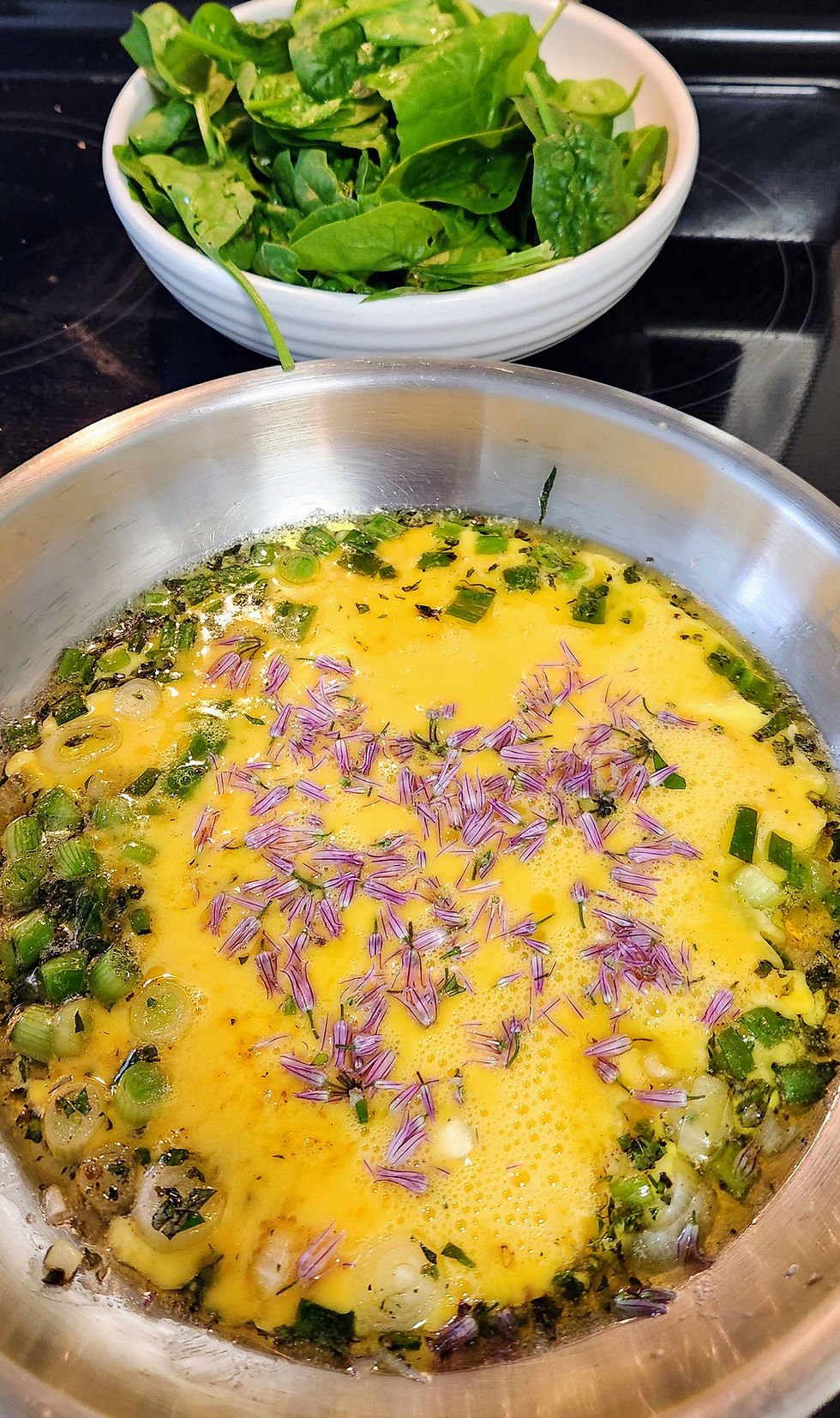
Explore recipes with
Ghee






.jpg)




.jpg)


.jpg)


.jpg)



.jpg)
.jpg)

.jpg)


.jpg)

How This Food Supports the Body
These functional categories highlight the primary ways this food or herb supports balance in the body. In Ayurveda, foods are not only nourishment — they also have specific actions that can influence digestion, the nervous system, hormones, immunity, and more.