

Potatoes
White Potatoes: Grounding Comfort from the Earth
White potatoes are one of the world’s great comfort foods — humble, nourishing, filling, and deeply grounding when prepared with care. Their earthy sweetness and substantial nature make them especially supportive for Vata, particularly during colder months, times of depletion, or periods of increased activity and stress. Potatoes carry a stabilizing quality that helps anchor the body, especially when served warm and well-cooked.
In Ayurveda, however, preparation changes everything. Plain potatoes can feel heavy, dry, and somewhat difficult to digest, especially for sluggish digestion or excess Kapha. Fried potatoes, processed potato products, and excessive amounts of cold potato salads tend to increase heaviness and stagnation further. But when potatoes are cooked thoughtfully with ghee, olive oil, digestive spices, herbs, and other vegetables, they become far more balanced and nourishing.
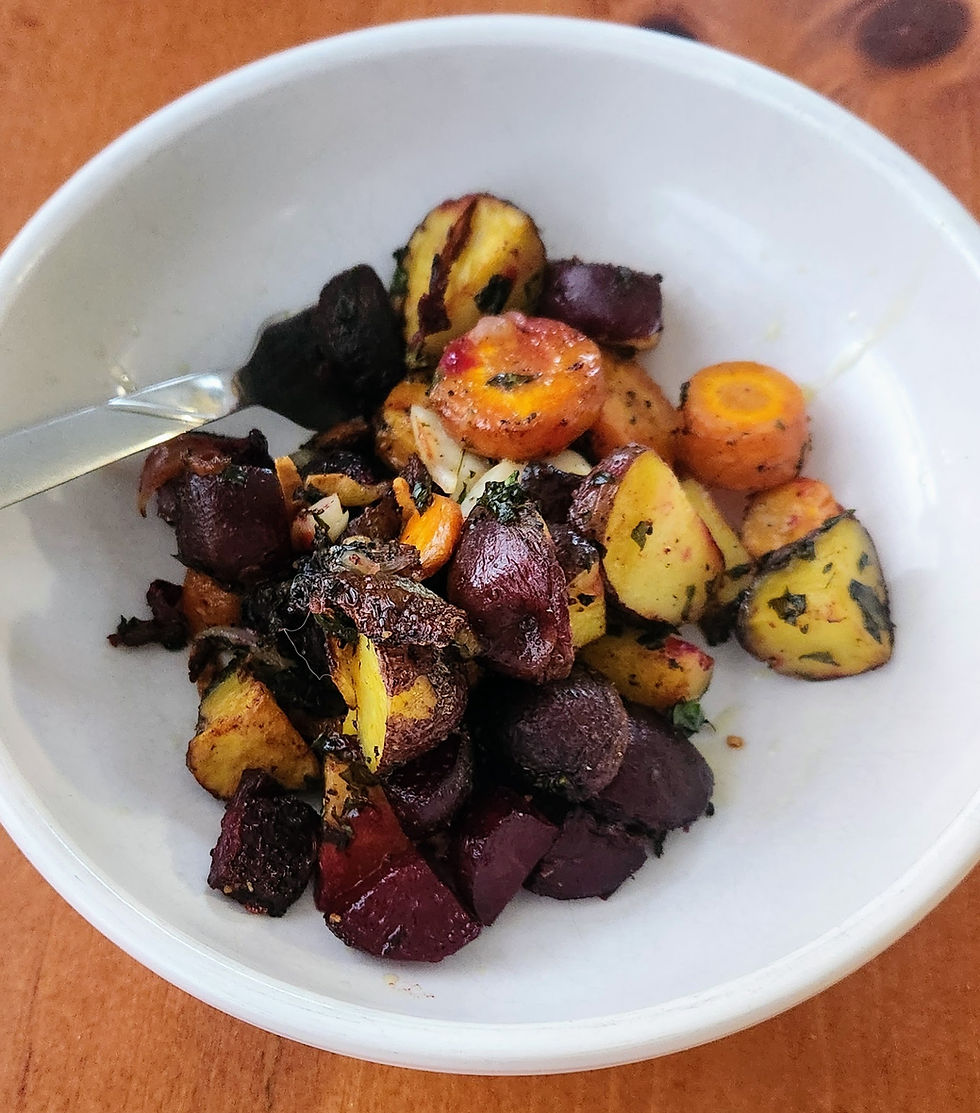
Roasting potatoes with rosemary, garlic, sage, cumin, turmeric, black pepper, or paprika helps stimulate digestion while balancing their dense quality. Mashed potatoes become especially soothing when enriched with ghee or warming herbs. Potatoes also absorb flavor beautifully, making them ideal carriers for broths, curries, soups, stews, and seasonal vegetable dishes. Their grounding quality pairs naturally with root vegetables, greens, legumes, onions, and warming spices.
From a modern nutritional perspective, potatoes provide complex carbohydrates, potassium, vitamin C, fiber, and satisfying energy. Despite modern diet culture often vilifying potatoes, whole properly prepared potatoes can be deeply nourishing and supportive when eaten in balance and aligned with digestion and activity levels. Garden-grown potatoes especially seem to carry a vitality and flavor that reconnects people to the earth itself — simple food that has sustained generations through long winters and hard work.
Storage Tips
White potatoes store best in a cool, dark, dry location with good airflow. Avoid storing potatoes in the refrigerator, as cold temperatures can alter their starches and affect flavor and texture. Properly cured potatoes can last for weeks or even months when stored correctly.
Potatoes should also be kept away from onions during storage, as the gases released by onions can shorten their shelf life. Any potatoes showing green coloring or significant sprouting should be trimmed carefully or discarded if overly affected.
Preservation Tips
White potatoes can be blanched and frozen for soups, stews, casseroles, and roasted dishes, though texture changes slightly after freezing. Mashed potatoes and potato soups also freeze surprisingly well when prepared with sufficient fat for stability.
One wonderful preservation method is preparing fully cooked potato dishes — such as soups, chowders, shepherd’s pie fillings, or mashed potato blends — and freezing them in portions for nourishing winter meals. Potatoes can also be dehydrated into slices, flakes, or soup mixes for long-term storage.
Homegrown potatoes themselves are naturally a storage crop, traditionally sustaining households throughout autumn and winter when cured and stored properly in root-cellar-like conditions.
Explore recipes with
Potatoes




How This Food Supports the Body
These functional categories highlight the primary ways this food or herb supports balance in the body. In Ayurveda, foods are not only nourishment — they also have specific actions that can influence digestion, the nervous system, hormones, immunity, and more.