

Cucumber
Cucumber | Cooling Hydration for Summer Heat
Cucumber is refreshment in one of its simplest forms—crisp, watery, and calming. It carries the feeling of shade on a hot summer day, offering relief when the body feels overheated, thirsty, or depleted by the season.
From an Ayurvedic perspective, cucumber is primarily sweet, with a mild astringent and sometimes faintly bitter edge. Its cooling, moist, soft, and watery qualities make it especially soothing for Pitta. During the heat of summer, cucumber can help replenish moisture, calm excess internal heat, and support the skin and urinary system through gentle hydration.
Its relationship with Vata is more nuanced. Cucumber’s moisture can be helpful when dryness is present, but its raw and cooling nature may also aggravate Vata or weaken digestion when eaten cold, in large amounts, or during cooler weather. Bringing cucumber to room temperature and pairing it with olive oil, yogurt, salt, cumin, black pepper, fresh ginger, or digestive herbs creates a more grounding and balanced experience.
Kapha may also be increased by cucumber’s cool and watery qualities, particularly when digestion feels slow or congestion is present. Smaller portions combined with pungent herbs, vinegar, warming spices, or a little black pepper can help counter its dampening nature.

Preparation changes the way cucumber feels in the body. Tender garden cucumbers can often be eaten with their skins and seeds intact, while larger or more mature cucumbers may be easier to digest when peeled and seeded. Salting sliced cucumber briefly draws out excess water, concentrates its flavor, and creates a beautiful base for salads, relishes, yogurt sauces, and lightly dressed summer sides.
Fresh dill, mint, cilantro, basil, fennel fronds, and red onion all pair naturally with cucumber. Cumin and coriander offer digestive support without overwhelming its delicate flavor, while olive oil, yogurt, or tahini provide grounding richness.
From a modern nutritional perspective, cucumber’s greatest gift is its high water content. It also provides fiber, small amounts of potassium, vitamin K, vitamin C, and protective plant compounds. The skin and seeds contribute additional fiber and phytonutrients when they are tender enough to enjoy.
Pickling transforms cucumber considerably. Vinegar, salt, fermentation, and spices shift it from mild and cooling toward something more sour, stimulating, and warming to digestion. Pickled cucumber can awaken the appetite and complement heavier meals, although its salty and sour qualities are best enjoyed moderately when Pitta is already elevated.
Cucumber reminds us that cooling the body does not require consuming food straight from the refrigerator. Served near room temperature with thoughtful seasoning, fresh herbs, and a little healthy fat, it becomes both refreshing and supportive of digestion.
JenZen Kitchen Note 🌿
One of my favorite ways to enjoy cucumber is also one of the simplest: sliced cucumber and ripe tomato with very thinly sliced red onion, olive oil, vinegar, herbs, and spices. As the vegetables rest, their juices mingle with the dressing and create something far more flavorful than the simplicity of the ingredients might suggest. It is summer abundance in a bowl.
JenZen Principle ✨
Cooling food does not need to be ice-cold. Temperature, portion, spices, and preparation all influence how a food meets the body.
Preparation
Rinse well and trim the ends.
Leave tender skins intact for added texture, fiber, and color.
Peel cucumbers with thick, waxed, bitter, or tough skins.
Scoop out large, mature seeds when they become hard or watery.
Salt sliced cucumber briefly and drain when preparing salads, relishes, or yogurt-based dishes.
Serve near room temperature rather than ice-cold.
Pair with olive oil, yogurt, tahini, avocado, or another grounding fat.
Season with cumin, coriander, black pepper, fennel, dill, mint, cilantro, basil, or fresh ginger.
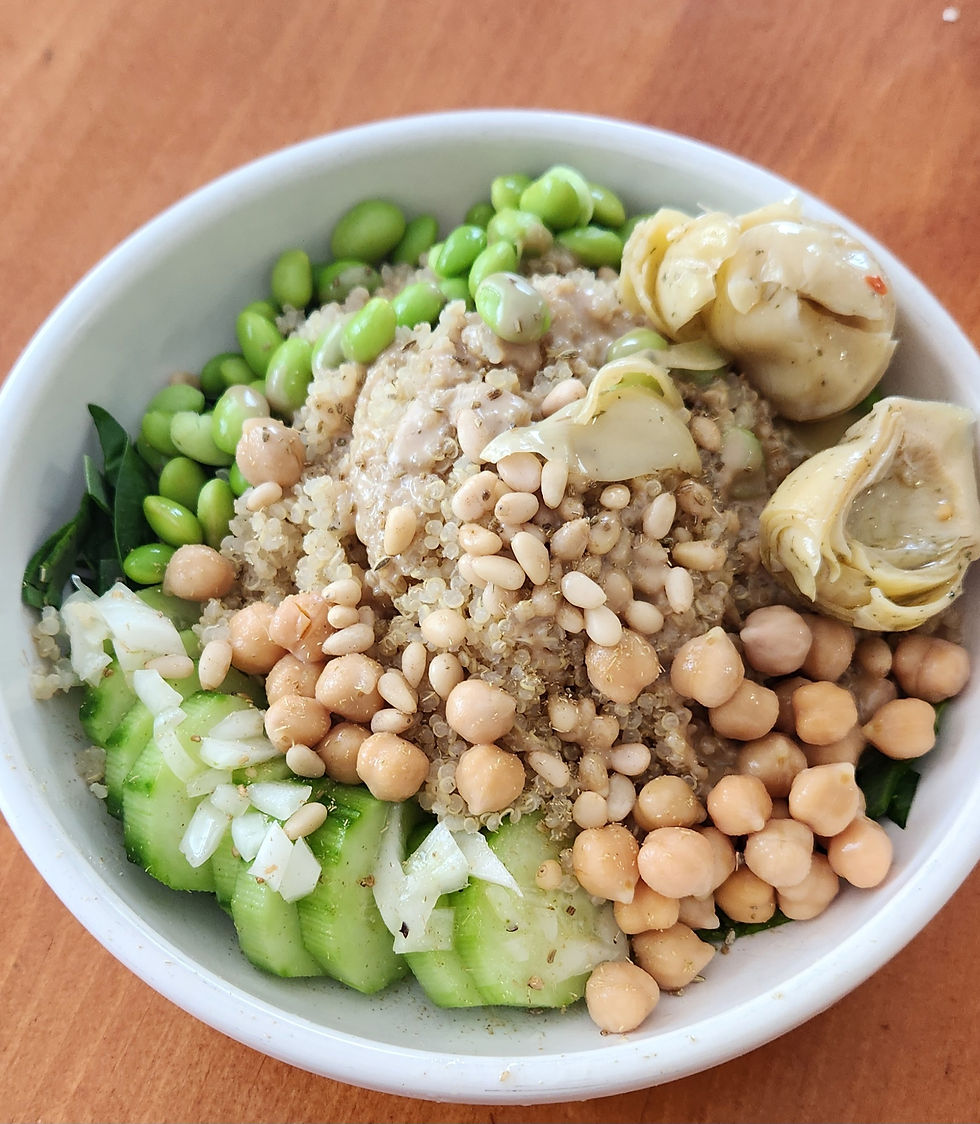
Add cucumber to infused water, chilled or room-temperature soups, salads, grain bowls, sandwiches, wraps, salsas, and yogurt sauces.
Preservation
Cucumber’s high water content means it does not freeze well for fresh use, but there are several beautiful ways to preserve an abundant harvest:
Make refrigerator or shelf-stable vinegar pickles.
Ferment cucumbers naturally in a salt brine.
Prepare cucumber relish with onion, herbs, and spices.
Create a cucumber-infused vinegar for dressings, marinades, and summer beverages.
Blend cucumber into soup or purée before freezing, understanding that the texture will soften.
Freeze cucumber slices or juice in ice cube trays for infused water, blended drinks, or cooling summer beverages.
Pickling and fermenting change cucumber’s Ayurvedic qualities by adding sourness, salt, warmth, and digestive stimulation.
How to Use the Abundance
Cucumber, tomato, and red onion salad
Cucumber water with mint, tulsi, fennel fronds, or basil
Cucumber–fennel soup with cumin
Raita or cucumber-herb yogurt sauce
Tzatziki
Refrigerator pickles
Fermented dill pickles
Cucumber relish
Cucumber-infused vinegar
Chopped cucumber salsa
Cucumber and herb dressing
Sandwiches, wraps, and grain bowls
Blended drinks with melon, mint, lime, or berries
Small cucumber cups filled with hummus or herbed cheese
Explore recipes with
Cucumber


How This Food Supports the Body
These functional categories highlight the primary ways this food or herb supports balance in the body. In Ayurveda, foods are not only nourishment — they also have specific actions that can influence digestion, the nervous system, hormones, immunity, and more.