

Celery
Celery | Mineral-Rich Fluid Balance & Digestive Support
Celery offers a complex profile of bitter, pungent, mildly sweet, and subtly salty tastes. Its light, dry, sharp, and mobile qualities help reduce heaviness, stagnation, and sluggish digestion, making it especially beneficial for Kapha conditions. Its cooling energy can also be supportive for mild Pitta excess, particularly when heat, irritability, or inflammation are present. The naturally salty-mineral aspect of celery gives it a grounding, replenishing quality that is often felt more strongly in fresh garden or CSA celery than conventional store varieties.
Because celery is light and somewhat drying, excessive raw use may aggravate Vata, especially in those prone to gas, dryness, anxiety, irregular digestion, or depletion. Cooking celery softens these qualities and makes it far more balancing. Sautéing with ghee or oil and pairing with warming spices such as ginger, black pepper, cumin, or garlic helps transform celery into a deeply nourishing and digestible food.
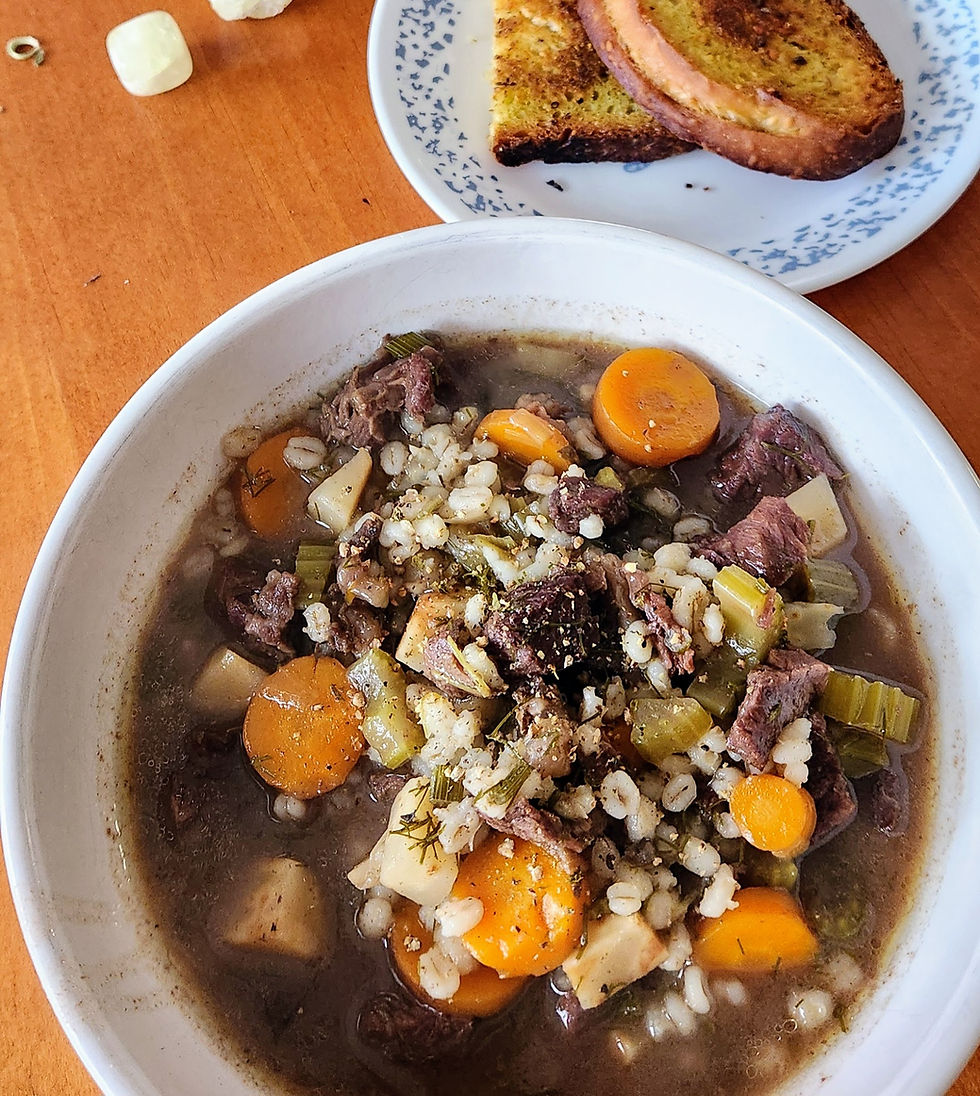
Celery also has a long-standing reputation for supporting healthy urination and helping the body move excess fluid. In heavier meals such as soups with beef, barley, beans, or root vegetables, celery brings brightness, movement, and balance so the meal feels satisfying without becoming overly dense.
Western Nutrition Perspective
Celery is naturally high in water and low in calories while contributing fiber, potassium, folate, vitamin K, and antioxidant plant compounds. Its mineral content and hydration-supportive nature make it a valuable everyday vegetable for fluid balance and overall wellness. Though simple in appearance, celery offers both flavor and function with very little digestive burden when properly prepared.
JenZen Kitchen Wisdom
Fresh local celery is a completely different experience than watery grocery store celery. It is more aromatic, flavorful, mineral-rich, and vibrant. Use the stalks, leaves, and even the base in broths, soups, sautés, and stocks. Celery does not need to stay in the background—it can absolutely lead the dish.
Storage
Refrigerate celery unwashed with the stalks intact. Wrapping it loosely in foil or storing it in a covered container helps it remain crisp for one to two weeks. Trimmed stalks can be kept upright in a jar of cold water for several days. Store celery leaves separately and use them as an herb.
Preparation
Wash carefully between the ribs, where soil often collects. Peel away tough strings from older stalks if desired. Celery becomes sweeter and gentler when braised, sautéed, or simmered; the leaves bring concentrated flavor to soups, salads, dressings, and broths.
Preservation
Chop and freeze celery for cooked dishes without blanching, or blanch briefly first for a slightly better texture. Dehydrate stalks and leaves for soup mixes, celery powder, or homemade seasoning. Freeze celery with onion and carrots in ready-to-use soup-base portions.
Ways to Use an Abundance
Build soups, chowders, stews, and sauces with celery; braise whole stalks; add diced celery to grain salads; or blend the leaves into pesto and garden drizzles. It pairs naturally with fennel, carrots, leeks, potatoes, beans, dill, parsley, and warming spices.
Explore recipes with
Celery





How This Food Supports the Body
These functional categories highlight the primary ways this food or herb supports balance in the body. In Ayurveda, foods are not only nourishment — they also have specific actions that can influence digestion, the nervous system, hormones, immunity, and more.