

Broccoli
Broccoli: Garden-Grown Cleanser with a Gentle Bite
Broccoli carries a subtle bitterness alongside a mild sweetness, making it a quiet ally for cleansing and renewal. Its natural qualities are light, dry, and slightly rough, which help clear excess heat and heaviness from the body. This makes it particularly supportive for Pitta and Kapha, especially during late winter and spring when stagnation and sluggishness can accumulate.
For those of us who grow it, there is something deeply satisfying about watching those tight green crowns form in the garden. Fresh-picked broccoli feels alive — vibrant, mineral-rich, and full of intelligence. Nutritionally, it offers fiber, vitamin C, folate, and sulfur compounds that gently support liver detoxification and cellular repair. It’s truly one of those vegetables that gives more than it asks.
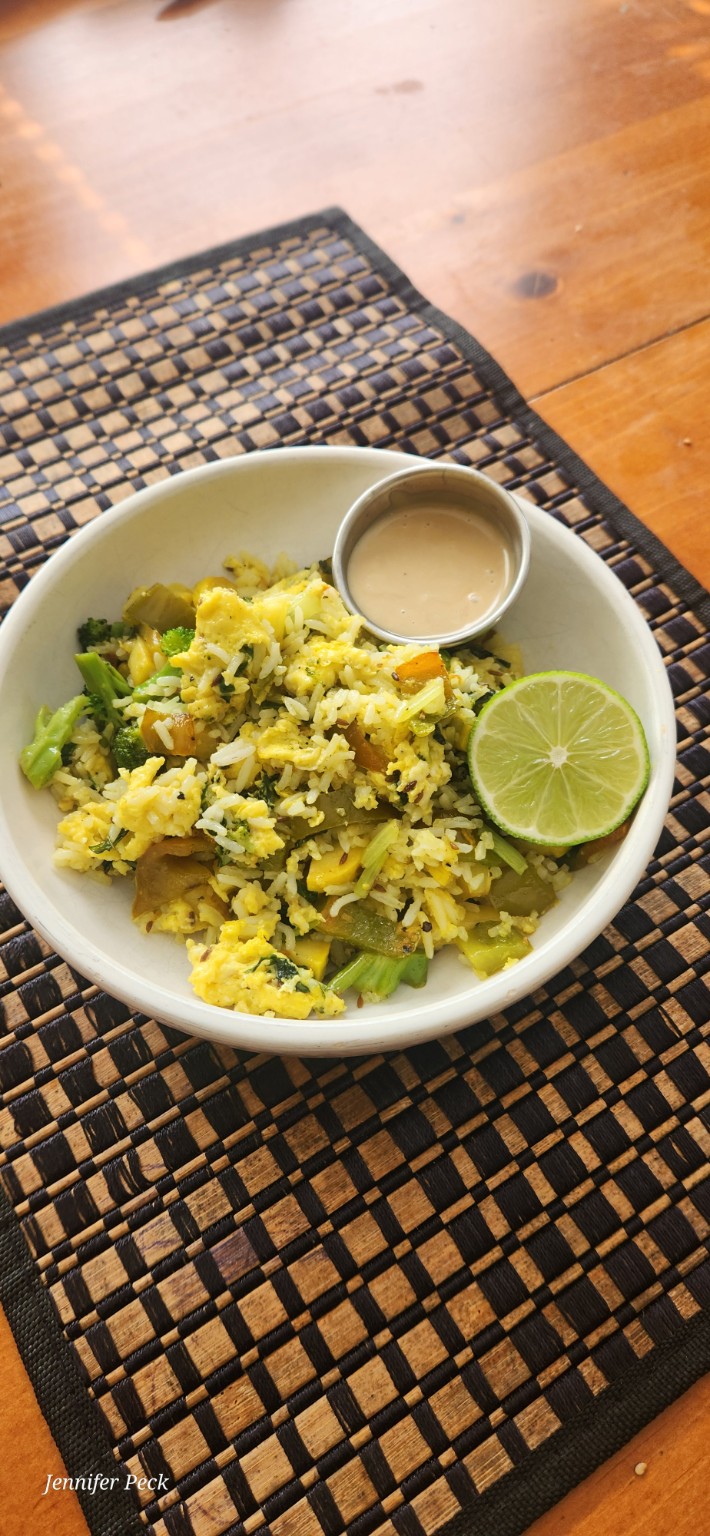
Preparation matters. Raw broccoli can be hard on digestion and may aggravate Vata, especially if agni is low. Lightly steaming, sautéing in ghee, or roasting with warming spices like cumin, coriander, or ginger transforms its dryness into something more balanced and nourishing. A squeeze of lemon and a drizzle of olive oil can soften its edges while enhancing absorption.
In cooler seasons, pair broccoli with grounding foods like rice, lentils, or root vegetables. In spring, allow its natural bitterness to shine as part of a gentle reset. Like many cruciferous vegetables, broccoli teaches us that cleansing does not have to be extreme — it can be steady, seasonal, and delicious.
Storage
Refrigerate broccoli unwashed in a loose or perforated bag and use it while the stalks are firm and the florets are tightly closed. Trim dry stem ends only when ready to cook.
Preparation
Peel tough stalks rather than discarding them, then steam, roast, sauté, or simmer until tender-crisp. Broccoli can be light and gas-forming, so cooking it well with ginger, cumin, or hing may feel gentler for Vata than eating a large raw portion.
Preservation
Blanch florets and sliced stems briefly, cool, dry, and freeze them for soups, curries, and sautés. Broccoli can also be roasted and refrigerated for quick grain bowls.
Ways to Use an Abundance
Make broccoli soup, add it to dal or pasta, roast it with garlic, fold it into eggs, or blend tender stalks into a green sauce. Use the leaves as you would other sturdy cooking greens.
Explore recipes with
Broccoli


How This Food Supports the Body
These functional categories highlight the primary ways this food or herb supports balance in the body. In Ayurveda, foods are not only nourishment — they also have specific actions that can influence digestion, the nervous system, hormones, immunity, and more.