

Black Pepper
Black Pepper: The Catalyst of the Ayurvedic Kitchen
Black pepper may appear simple on the surface, yet in Ayurveda it is considered one of the most powerful spices for awakening digestion and enhancing the effectiveness of other foods and herbs. Its distinctly pungent taste and sharp, penetrating qualities stimulate circulation and kindle digestive fire, helping the body break down and absorb nutrients more efficiently.
In everyday cooking, black pepper is far more than a finishing spice. When gently cooked into soups, stews, grains, and vegetables, it helps move stagnant energy through the digestive system while warming the body from within. This makes it particularly helpful during colder seasons or times when digestion feels sluggish. In Ayurveda, black pepper is often paired with spices like ginger and pippali, forming classic combinations used to support digestion, respiratory health, and metabolic balance.
One of black pepper’s most fascinating roles is its ability to enhance the absorption of other compounds. This is why it is traditionally combined with turmeric — a pairing that helps the body utilize turmeric’s beneficial compounds more effectively. Even a small pinch can significantly increase the potency of certain herbs and foods.
For those with Kapha or Vata tendencies, black pepper can help clear heaviness, stimulate appetite, and reduce mucus or congestion. Those with strong Pitta or excess internal heat may wish to use it in moderation, especially during hot summer months. Like many spices in Ayurveda, its true power lies not in large amounts but in consistent, balanced use within cooking.
From a modern nutritional perspective, black pepper contains piperine, a compound known to support digestion, circulation, and nutrient absorption. When thoughtfully incorporated into daily meals, this humble spice becomes one of the quiet workhorses of the Ayurvedic kitchen.
Traditional Combinations
• Black pepper + turmeric — black pepper may increase absorption of curcumin; culinary amounts are different from concentrated supplements.
• Black pepper + ghee — ghee carries flavor and tempers the spice’s sharp dryness in cooked meals.
• Black pepper + cumin + coriander — a balanced everyday trio for vegetables, grains, legumes, and soups.
• Black pepper + ginger — strongly warming and stimulating; use modestly when Pitta, reflux, or irritation is present.
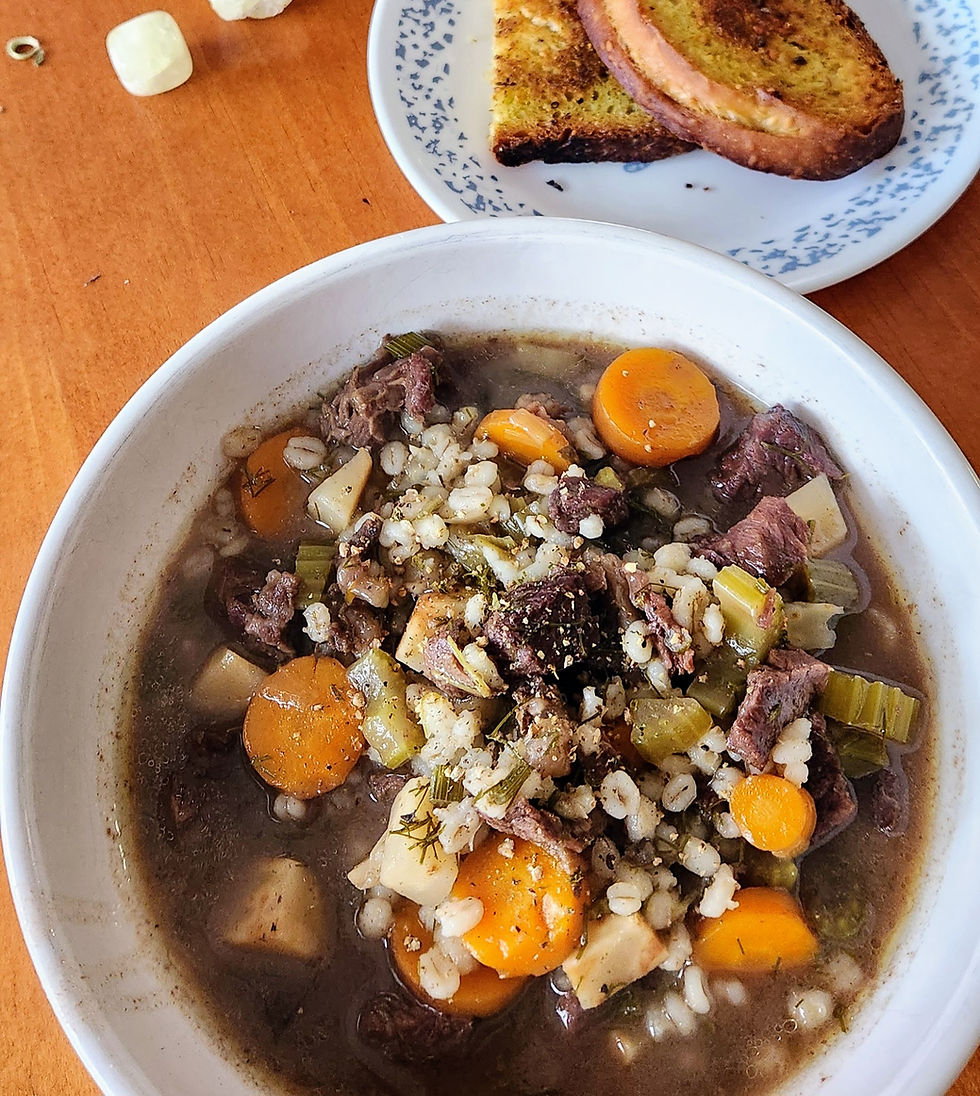
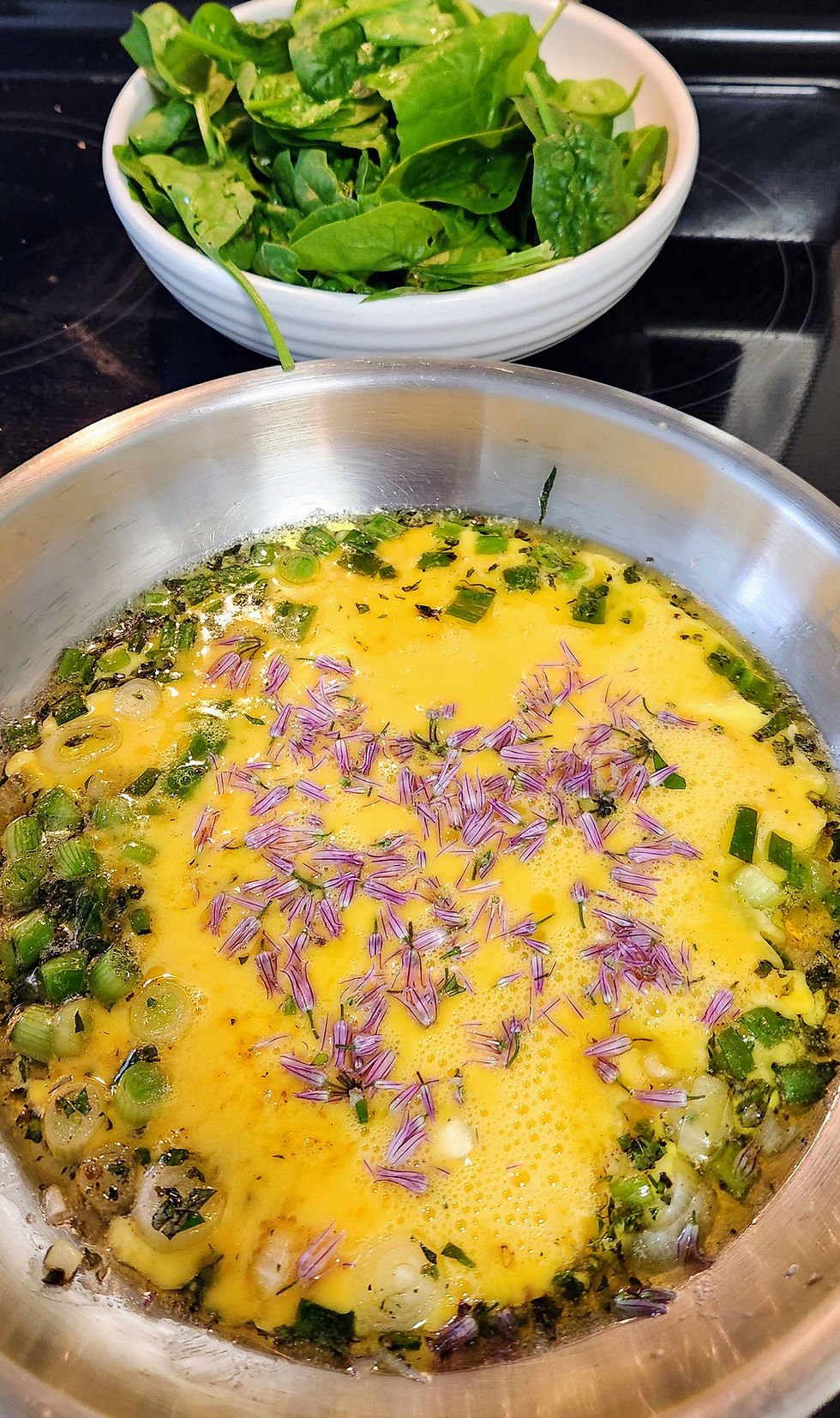
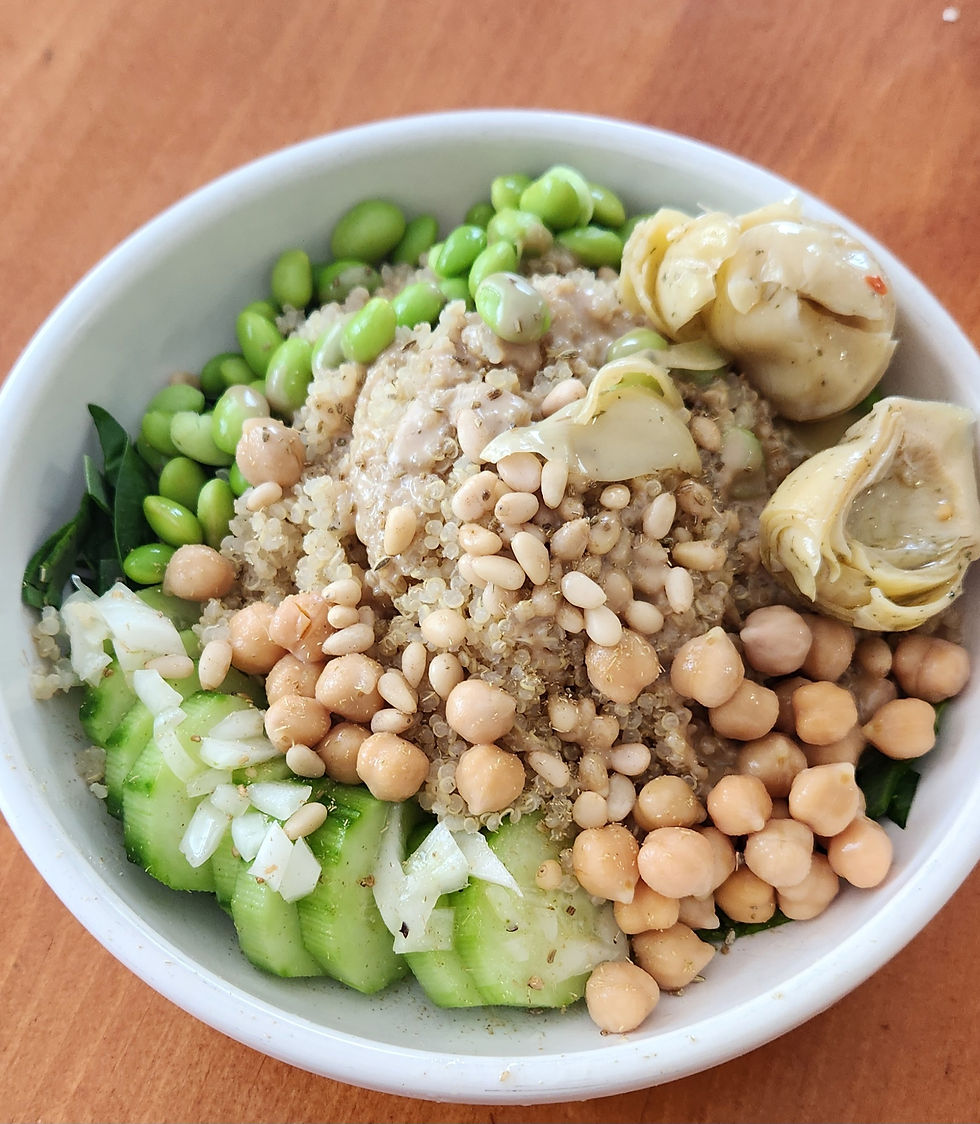
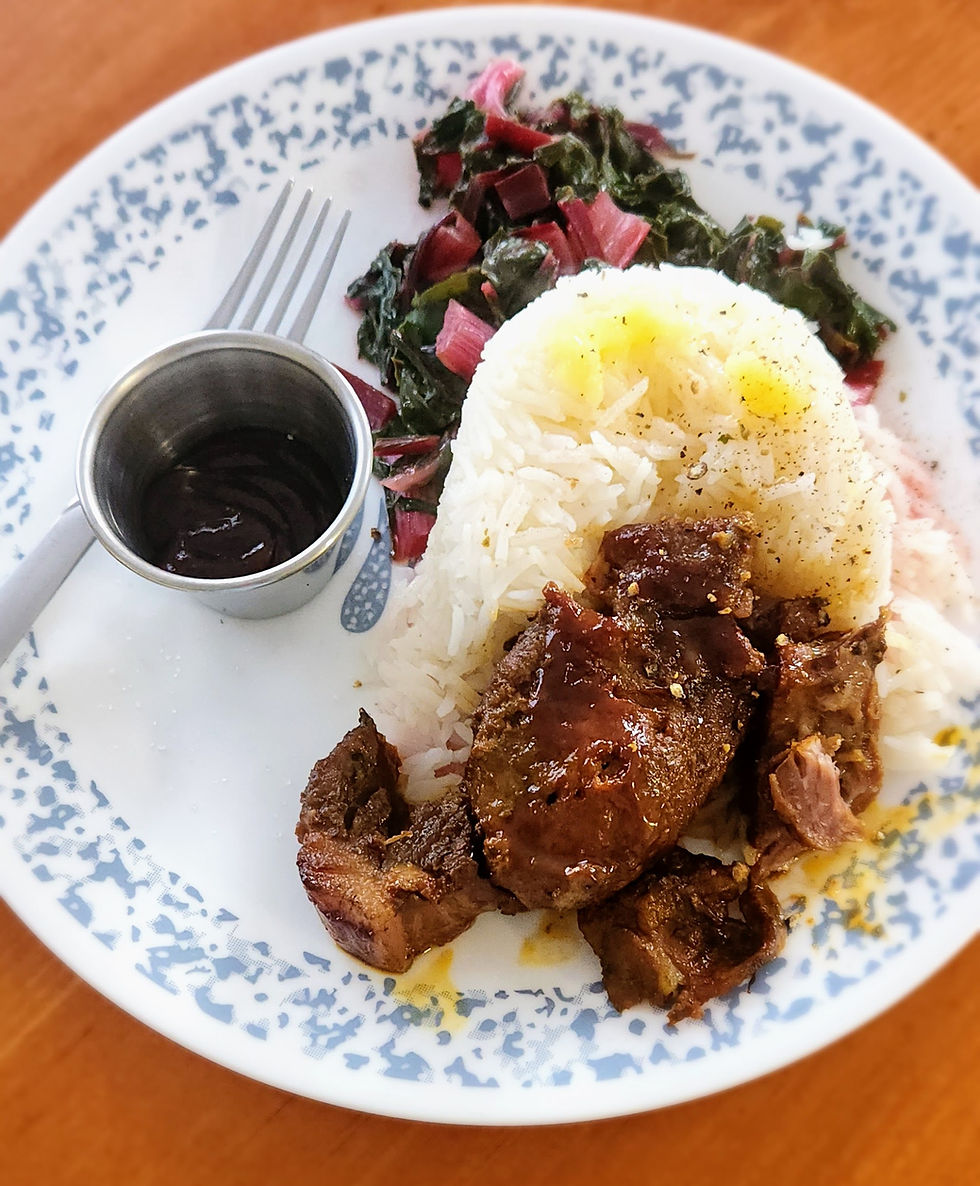
Explore recipes with
Black Pepper





.jpg)




.jpg)


.jpg)

.jpg)


.jpg)


How This Food Supports the Body
These functional categories highlight the primary ways this food or herb supports balance in the body. In Ayurveda, foods are not only nourishment — they also have specific actions that can influence digestion, the nervous system, hormones, immunity, and more.