

Garlic
Garlic: Bold Heat that Moves and Penetrates
Garlic is unmistakable. Its aroma fills a kitchen before it even touches the pan. Sharp, warming, and penetrating, it is one of the most powerful culinary allies in everyday cooking.
With its dominant pungent taste and distinctly sharp, light, oily, and strongly heating qualities, garlic is deeply stimulating. It reduces excess Kapha by cutting through heaviness and congestion. When sautéed in oil or ghee, it can also support Vata, warming and mobilizing sluggish digestion. However, because of its intensity, it can easily aggravate Pitta, especially in those prone to acidity, skin heat, or inflammation.
In the kitchen, remember:
Sauté gently in oil rather than burning
Use smaller amounts if Pitta is elevated
Avoid large quantities raw
Pair with cooling or grounding foods if digestion runs hot
Garlic kindles agni strongly. In colder months, this can feel protective and invigorating. In warmer seasons or inflammatory states, it may feel excessive. From a modern perspective, garlic is known for supporting immune resilience and cardiovascular health.
Garlic is catalytic medicine. Used wisely, it protects and mobilizes. Used aggressively, it irritates. As always, preparation determines the outcome.
Storage
Keep whole garlic bulbs in a cool, dry, well-ventilated place. Refrigerate peeled cloves and use them promptly; do not store raw garlic in oil at room temperature because of botulism risk.
Preparation
Crush, slice, roast, or sauté garlic, allowing it to cook gently rather than scorch. Ayurveda regards garlic as strongly heating and stimulating; it may support sluggish digestion but can aggravate Pitta or feel too activating for some practices.
Preservation
Freeze peeled cloves or roasted garlic, dehydrate slices thoroughly, or pickle garlic using a tested recipe. Garlic-in-oil mixtures must be refrigerated and used quickly unless commercially acidified.
Traditional Combinations
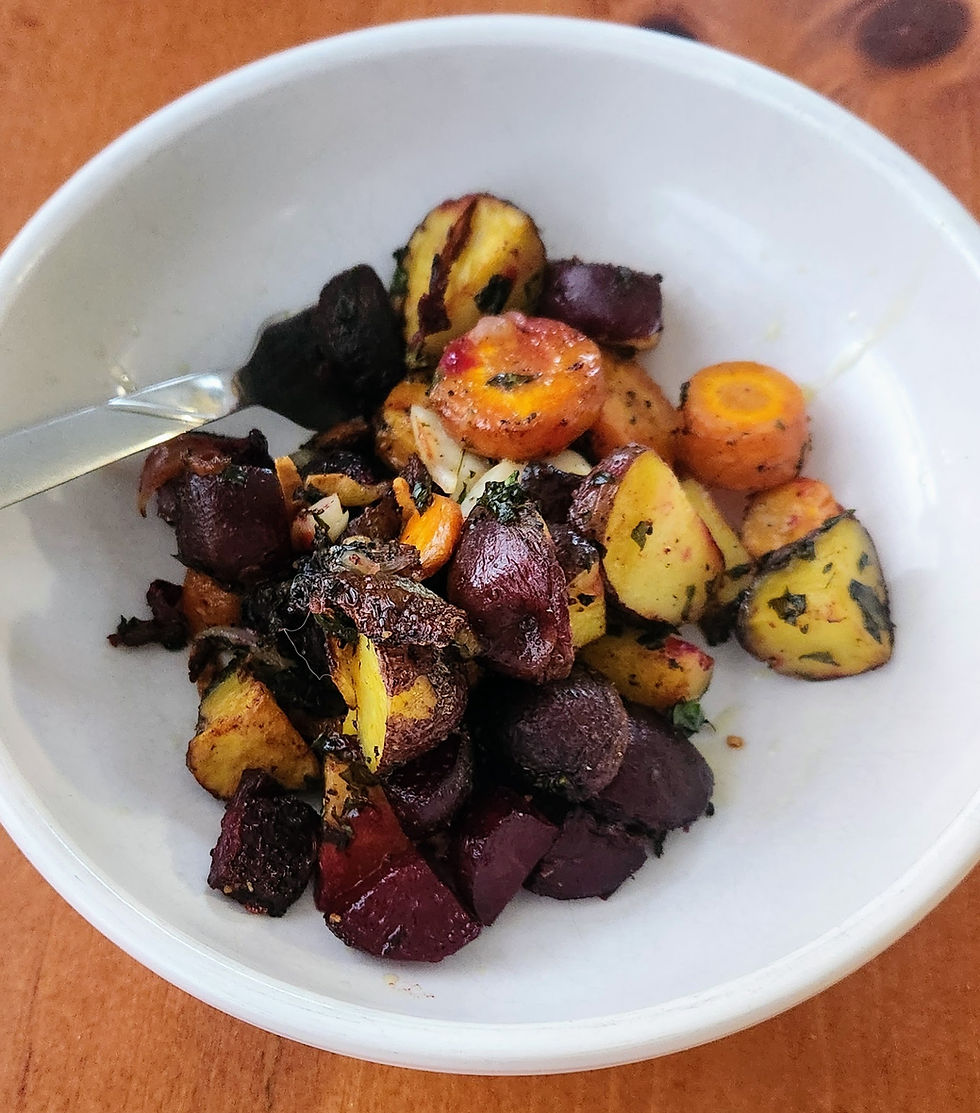
Garlic pairs with ghee or oil, cumin, ginger, tomatoes, lentils, greens, and root vegetables. Roasting mellows its sharpness and creates a sweeter, more grounding flavor.
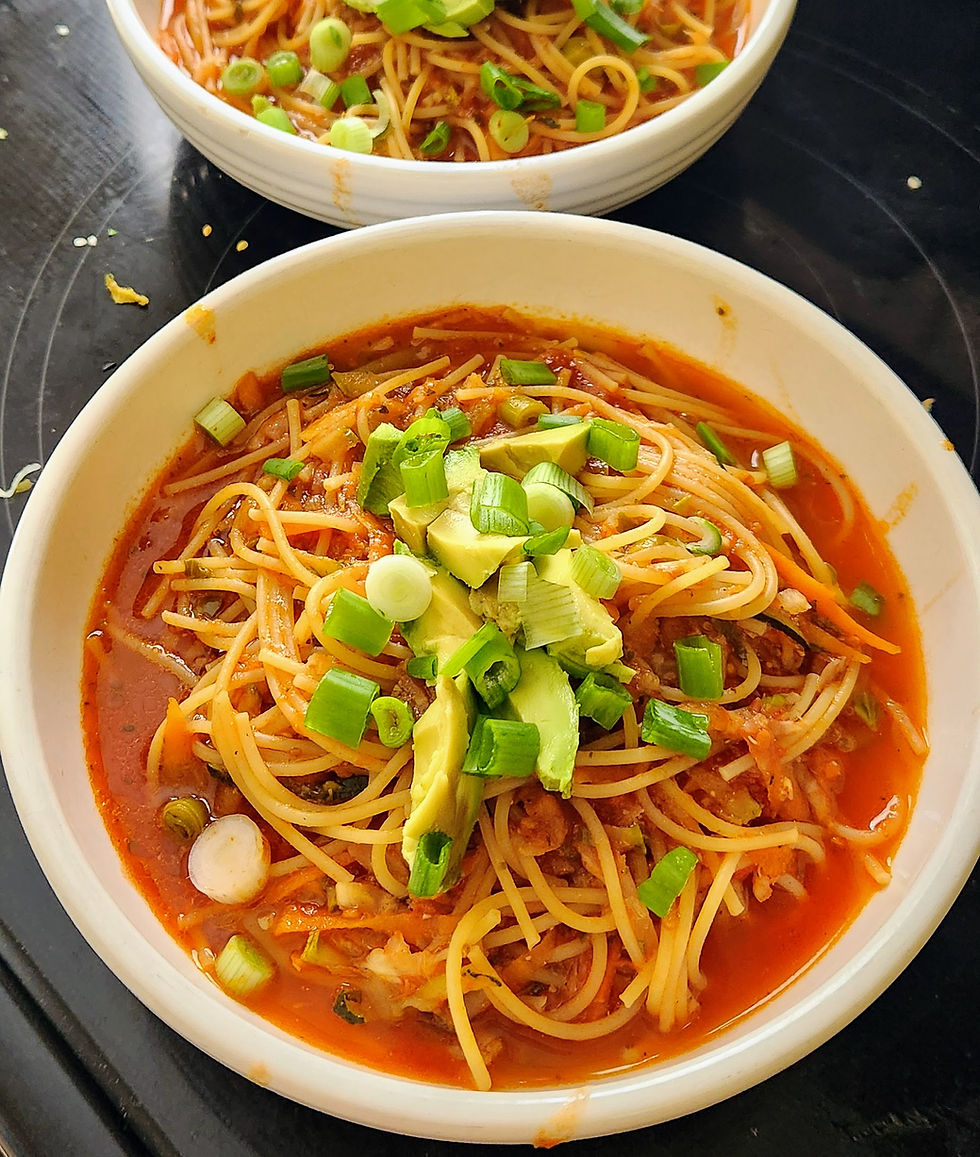
Explore recipes with
Garlic


.jpg)




How This Food Supports the Body
These functional categories highlight the primary ways this food or herb supports balance in the body. In Ayurveda, foods are not only nourishment — they also have specific actions that can influence digestion, the nervous system, hormones, immunity, and more.