

Tomato
Tomatoes | Juicy Cooling Digestive Stimulant
Ayurvedic Perspective
Tomatoes are primarily sour and slightly sweet, with a subtle pungent undertone. They are juicy, soft, and hydrating, with a naturally cooling energy that makes them especially appealing in the heat of summer. This cooling, water-rich quality can feel soothing and refreshing, especially during hot weather or when the body is in need of hydration.
Are Tomatoes Heating or Cooling in Ayurveda?
Tomatoes are a good example of why Ayurvedic food energetics are not always a simple hot-or-cold label. Fresh, ripe tomatoes can feel cooling, juicy, and hydrating, especially in summer. At the same time, their dominant sour taste and natural acidity carry a heating influence that may aggravate Pitta when tomatoes are eaten frequently, in large amounts, or in concentrated forms.
Raw vs. Cooked Tomatoes in Ayurveda
Raw tomatoes are more cooling and hydrating in feel, but they can also be harder for Vata to digest because of their acidity and raw quality. Cooking softens the texture and generally makes tomatoes easier to digest, while sauces, pastes, and long-cooked preparations concentrate their sourness and acidity. That concentration can make the overall effect feel more heating and more likely to provoke Pitta, even as the cooked form becomes gentler for Vata.
Preparation matters: a fresh summer tomato with a little oil and seasoning behaves differently from a deeply reduced tomato sauce. Quantity, season, digestive strength, and the foods served alongside it all influence how tomato is experienced.
At the same time, their dominant sour taste and natural acidity carry a heating influence in the body when used in excess. This is where tomatoes become more nuanced—while they can refresh and stimulate digestion in small amounts, overuse or concentrated forms (such as sauces, pastes, or daily intake) may contribute to internal heat, acidity, or skin irritation.
Preparation plays an important role. Cooking tomatoes softens their sharpness and makes them easier to digest, especially for Vata. Pairing them with ghee, olive oil, and spices like cumin, coriander, and fennel helps balance their acidity and support agni. Raw tomatoes can be more aggravating for Vata and, in excess, may also contribute to Pitta imbalance.
Tomatoes are a beautiful example of balance in Ayurveda—cooling and hydrating in the right context, yet potentially heating when overused. When enjoyed seasonally, in moderation, and thoughtfully prepared, they can be a vibrant and supportive addition to the kitchen.
Western Nutrition Perspective
Tomatoes are rich in vitamin C, potassium, and the antioxidant lycopene, which supports heart health and helps reduce inflammation. Cooking tomatoes enhances the availability of lycopene, making sauces, soups, and stews particularly beneficial. Their high water content supports hydration, while their natural acids help stimulate digestive function.
JenZen Kitchen Wisdom
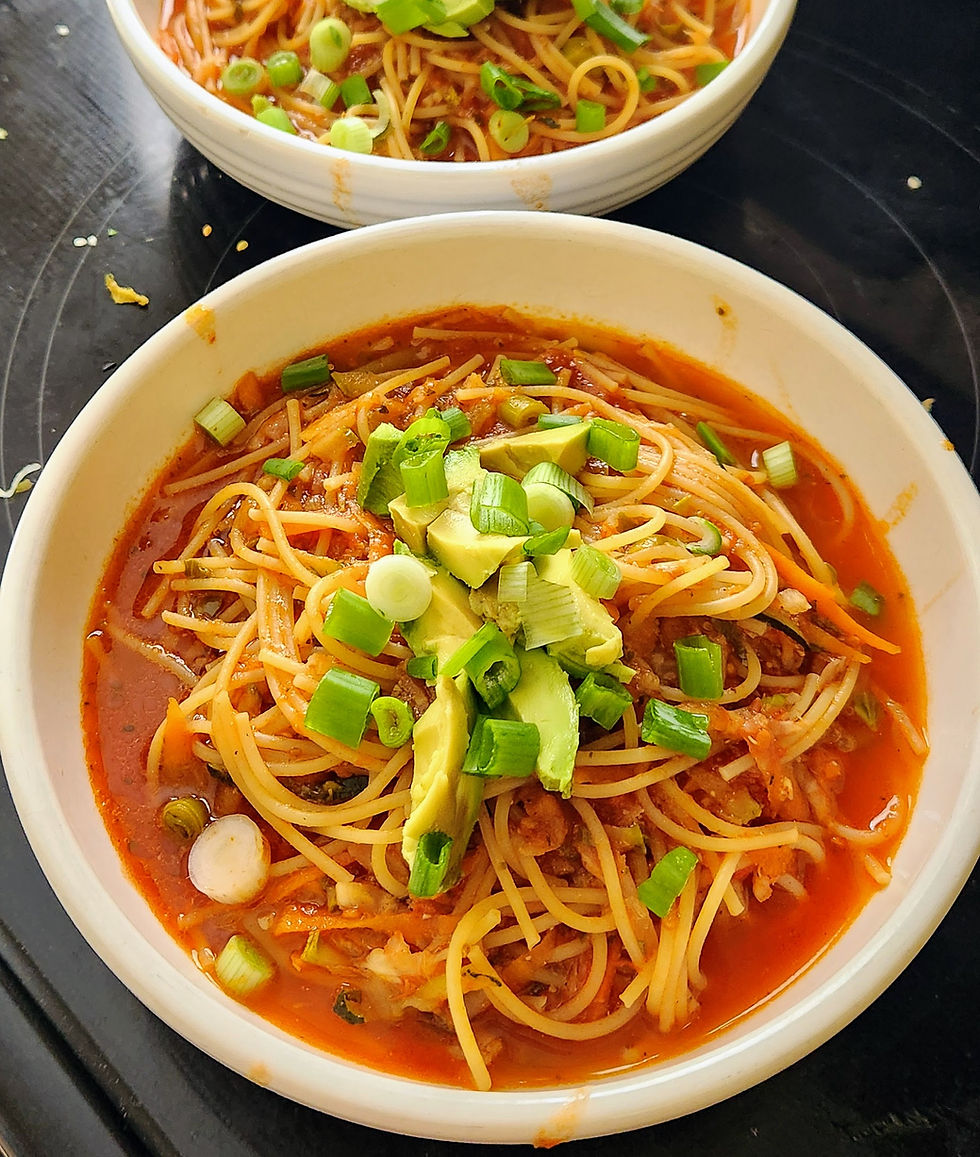
Tomatoes truly shine when transformed. Slow-cooked sauces, soups, and stews mellow their sharpness and deepen their natural sweetness. Fresh, sun-ripened summer tomatoes are a different experience altogether—juicy, vibrant, and full of life—but even then, a pinch of salt, a drizzle of olive oil, or a quick sauté can bring them into better balance and make them more digestible.
Storage
Keep flavorful ripe tomatoes at room temperature away from direct sun and refrigerate only when they are very ripe or already cut. Bring chilled tomatoes toward room temperature before serving for better flavor.
Preparation
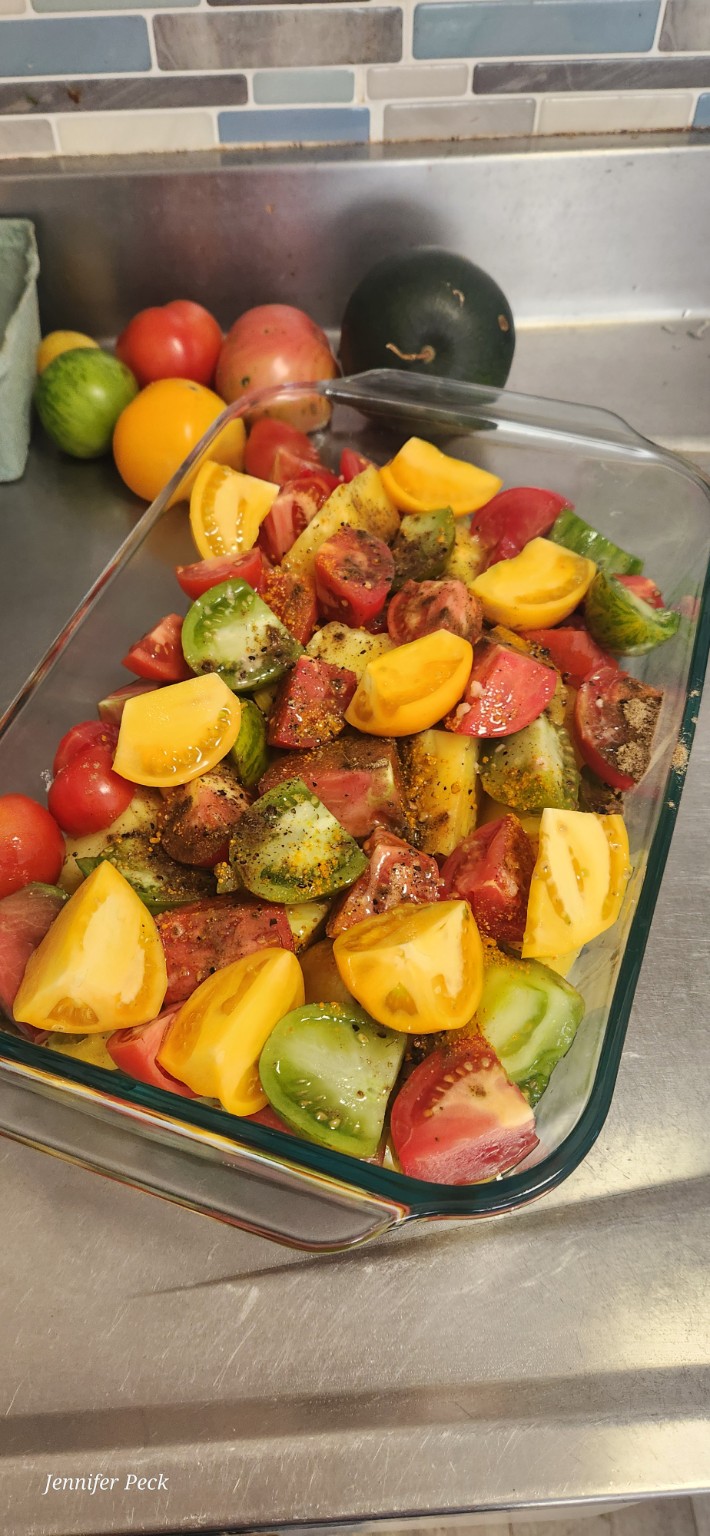
Use ripe tomatoes raw, roast them to concentrate sweetness, or simmer them into sauce and soup. Ayurveda recognizes their sour and heating qualities; cooking with ghee, coconut, cilantro, or mild spices and enjoying moderate portions may suit Pitta-sensitive people better.
Preservation
Roast and freeze tomatoes, cook and freeze sauce, dehydrate slices, or can them only with a tested acidified recipe. Safe tomato canning requires the specified bottled lemon juice or citric acid even when tomatoes taste tart.
Ways to Use an Abundance
Make garden sauce, tomato soup, chutney, salsa, shakshuka, or a roasted tray with zucchini and peppers. Freeze flat bags of sauce for easy stacking and winter meals.
Explore recipes with
Tomato







How This Food Supports the Body
These functional categories highlight the primary ways this food or herb supports balance in the body. In Ayurveda, foods are not only nourishment — they also have specific actions that can influence digestion, the nervous system, hormones, immunity, and more.