

Eggs
Eggs are considered a deeply nourishing, tissue-building food in Ayurveda, supporting all seven dhatus (tissues) with particular strength for ojas, the essence of vitality, immunity, and resilience. Rich in protein and healthy fats, eggs provide sustained energy, making them especially beneficial during times of depletion, recovery, and transition—such as perimenopause, periods of stress, or increased physical demand.
Are Eggs Good in Ayurveda?
Yes—when they suit the person and are digested well, eggs can be a deeply nourishing, tissue-building food. Their sweet, heavy, oily, and soft qualities make them especially supportive during depletion, recovery, increased physical demand, or when Vata is elevated. Because they are substantial, portion size, preparation, and digestive strength matter.
Are Eggs Heating or Cooling in Ayurveda?
Eggs are better understood through their full set of qualities than through a single heating-or-cooling label. They are rich, heavy, oily, and nourishing, and the way they affect an individual depends on constitution, agni, season, quantity, and cooking method. Gentle preparations tend to be easier to integrate than heavily fried or very rich egg dishes.
Are Eggs Easy to Digest?
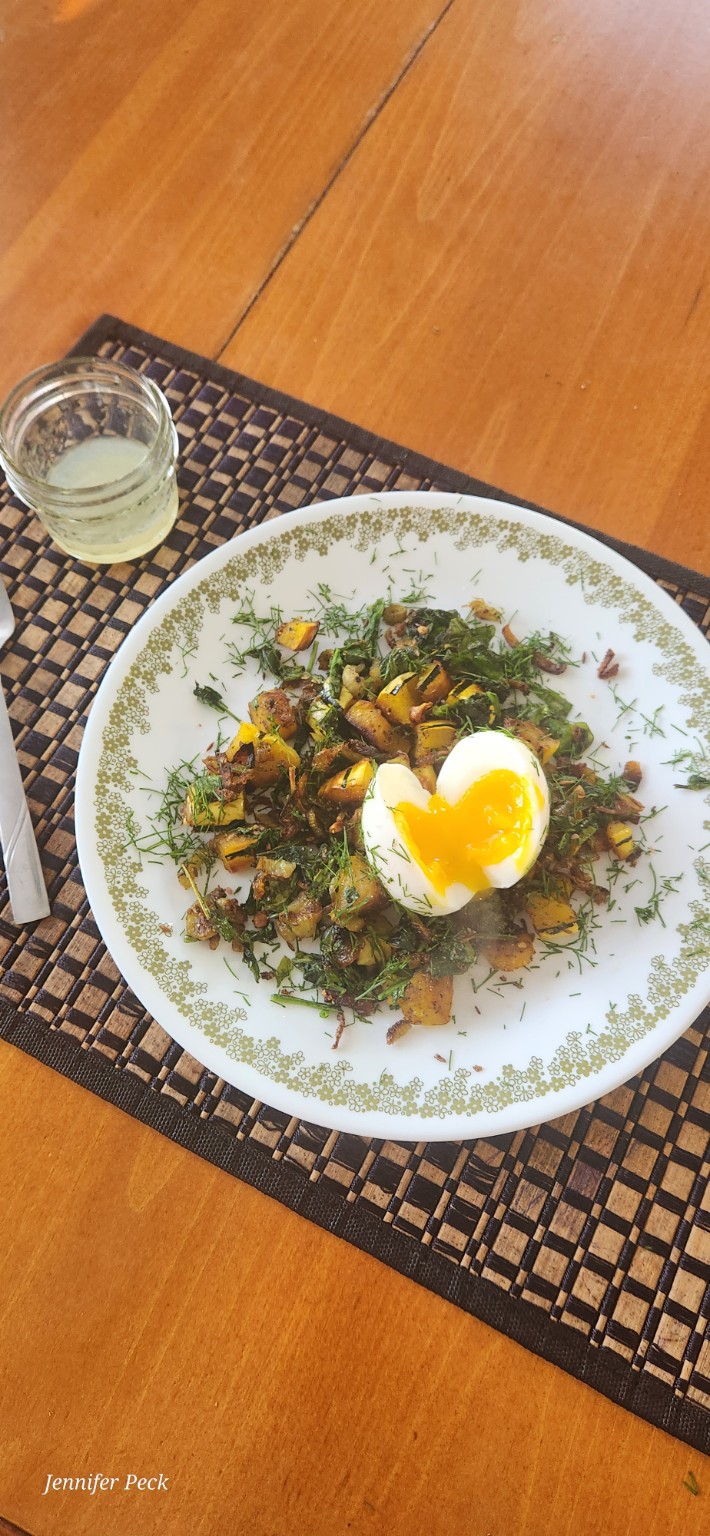
Eggs can be moderately heavy to digest, but preparation makes a noticeable difference. Soft-boiled, poached, gently scrambled, or stirred into hot broth are often easier than hard-fried eggs or combinations loaded with cheese and fried foods. Digestive spices such as cumin, ginger, black pepper, coriander, turmeric, or pippali can help make an egg-centered meal feel lighter and more balanced.
From an Ayurvedic perspective, eggs carry a sweet (madhura) taste and are inherently heavy and unctuous, offering grounding and stabilizing qualities that strongly pacify Vata. When prepared properly—such as soft boiled, poached, or gently cooked in ghee—they are easier to digest and integrate into the body, supporting both physical strength and nervous system balance. Overcooking or frying eggs at high heat can increase their heaviness and make them more difficult to digest, potentially aggravating Pitta and Kapha.
Eggs pair beautifully with digestive spices such as cumin, ginger, black pepper, and Pippali, which help kindle agni and improve assimilation. Combining eggs with lighter vegetables, like spring asparagus or greens, creates a balanced meal that delivers both nourishment and digestive ease. While highly beneficial, eggs are best consumed in moderation and prepared mindfully to align with individual constitution, season, and digestive strength.
Storage
Keep eggs refrigerated in their original carton rather than in the refrigerator door, where temperatures fluctuate. Use clean, uncracked eggs and follow the package date. Hard-boiled eggs keep for about one week refrigerated; cooked egg dishes are best used within three to four days.
Preparation
Eggs can be soft-boiled, poached, scrambled, baked into frittatas, or stirred into hot broth. Gentle cooking preserves tenderness. Pair them with well-cooked vegetables and digestive herbs rather than making every egg meal excessively heavy with cheese and fried foods.
Preservation
Freeze beaten raw eggs in measured portions for later baking or cooking; do not freeze whole eggs in their shells. Cooked frittata and breakfast casseroles can be portioned and frozen, although the texture may soften. Pickled eggs require a tested refrigerated recipe and should never be stored at room temperature.
Ways to Use Them
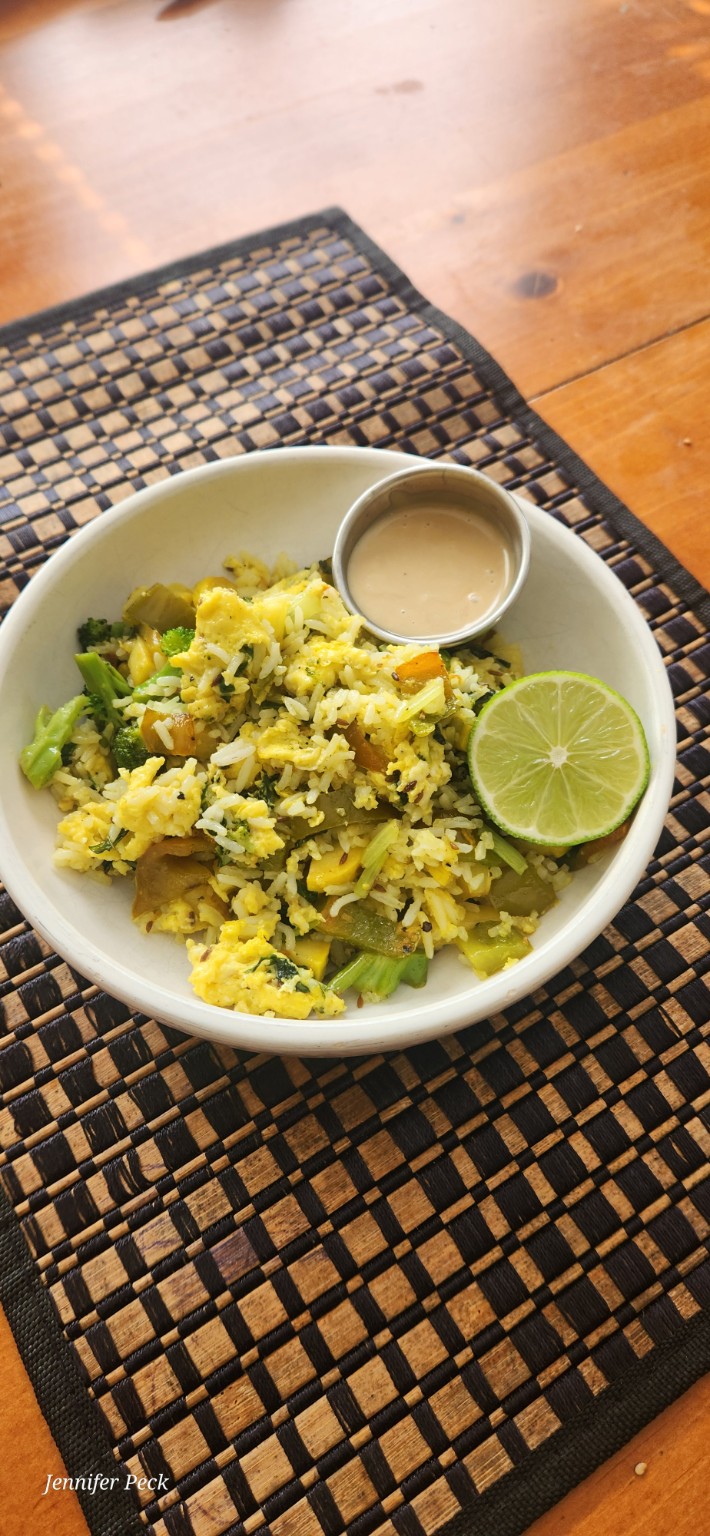
Top grain and vegetable bowls with a soft-boiled egg, fold seasonal greens into an omelet, make a garden frittata, or stream beaten egg into simmering broth. Eggs pair well with spinach, chard, asparagus, onions, fennel, dill, cumin, coriander, and turmeric.
Explore recipes with
Eggs


How This Food Supports the Body
These functional categories highlight the primary ways this food or herb supports balance in the body. In Ayurveda, foods are not only nourishment — they also have specific actions that can influence digestion, the nervous system, hormones, immunity, and more.