

Ginger
Ginger: The Sacred Flame of the Kitchen
Few foods carry the reputation ginger does in Ayurveda. With its distinctly pungent taste and naturally light, sharp, and penetrating qualities, ginger acts like a gentle internal spark — awakening digestion, clearing stagnation, and warming the body from the inside out. It is especially supportive for Vata and Kapha, though excessive use may irritate Pitta, particularly in hot weather or during times of inflammation.
Fresh and dried ginger behave slightly differently. Fresh ginger is milder and slightly sweet beneath its spice, making it easier for daily use. Dried ginger is hotter and more drying, more intensely stimulating, and often used when deeper warming is needed.
Ginger is beloved for its ability to kindle digestive strength. It helps reduce bloating, coldness in the belly, sluggish metabolism, and the heavy feeling that can follow rich meals. In colder seasons — especially late fall and winter — its warmth feels deeply supportive. In spring, it helps clear damp congestion and stagnation.
Uses in the kitchen:
Sliced fresh into tea with lemon and honey
Sautéed in ghee at the start of soups and stews
Grated into grain dishes or stir-fries
Added to broths during cold season
Mixed into warming spice blends
Preparation matters. Lightly sautéing fresh ginger in ghee softens its intensity and makes it easier on digestion. Using too much raw ginger can aggravate heat or create dryness, especially in those with strong Pitta or during peak summer months.
From a modern perspective, ginger is widely studied for its anti-inflammatory and circulatory benefits. It supports nausea relief, healthy metabolism, and immune resilience. As with most powerful spices, its strength lies not in excess, but in consistent, mindful use.
Related Articles
• 5 Best Ayurvedic Spices for Spring (And Why Your Body Craves Them)
• Cumin: The Quiet Digestive Hero of Winter Cooking
• Fatty Liver Disease: Early Signs & Reversal
Related Ingredients
• Turmeric
• Pippali
• Cumin
• Fennel
• Ghee
(Ginger is one of Ayurveda’s most important digestive spices and works synergistically with many others in the Ayurvedic kitchen.)
Traditional Combinations
Ginger is classically combined with lemon, cumin, coriander, cardamom, cinnamon, turmeric, ghee, and warm water. It brings brightness to dal, soup, rice, vegetables, fruit, and tea.
Use with Awareness
Culinary amounts suit many people, but concentrated ginger may worsen heat or reflux and can be inappropriate with some medications or bleeding concerns. Seek qualified guidance for therapeutic doses.
Explore recipes with
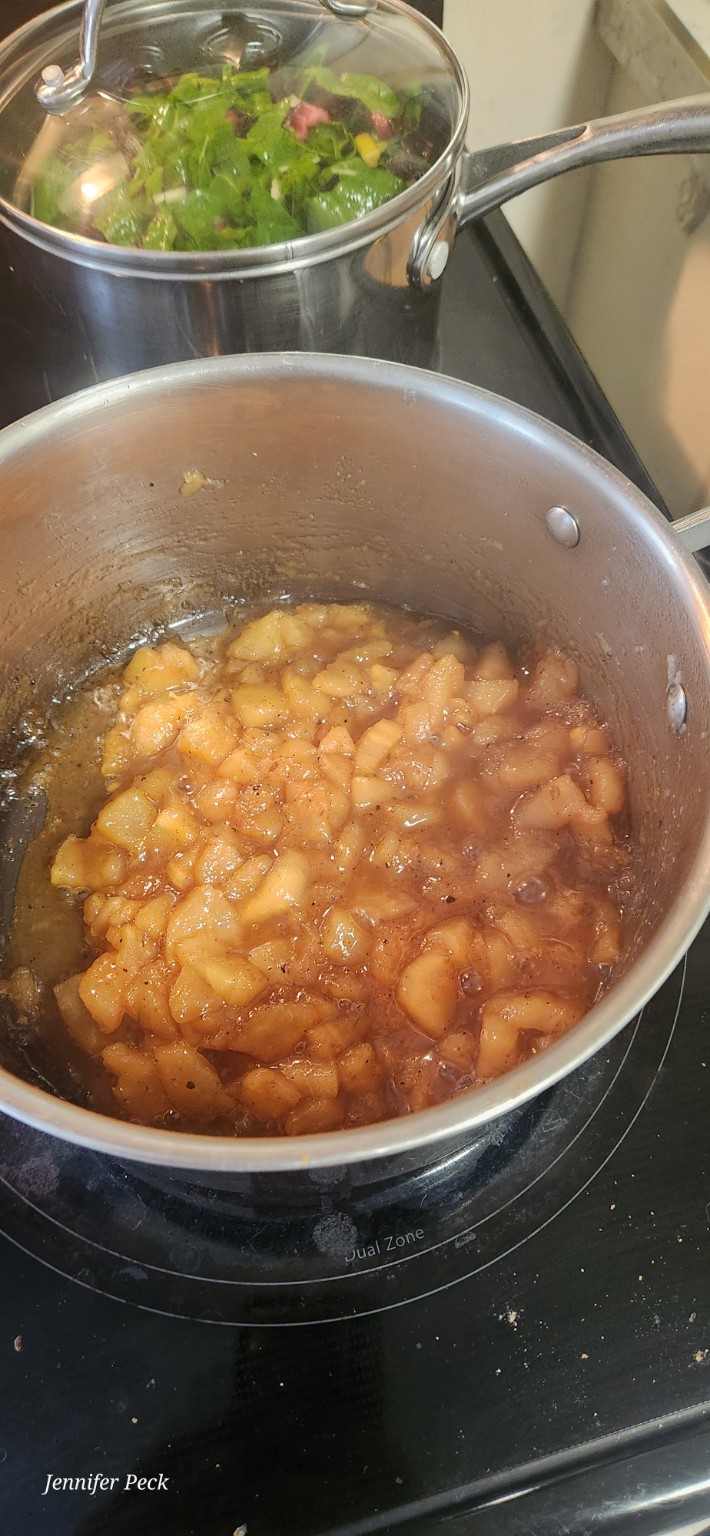
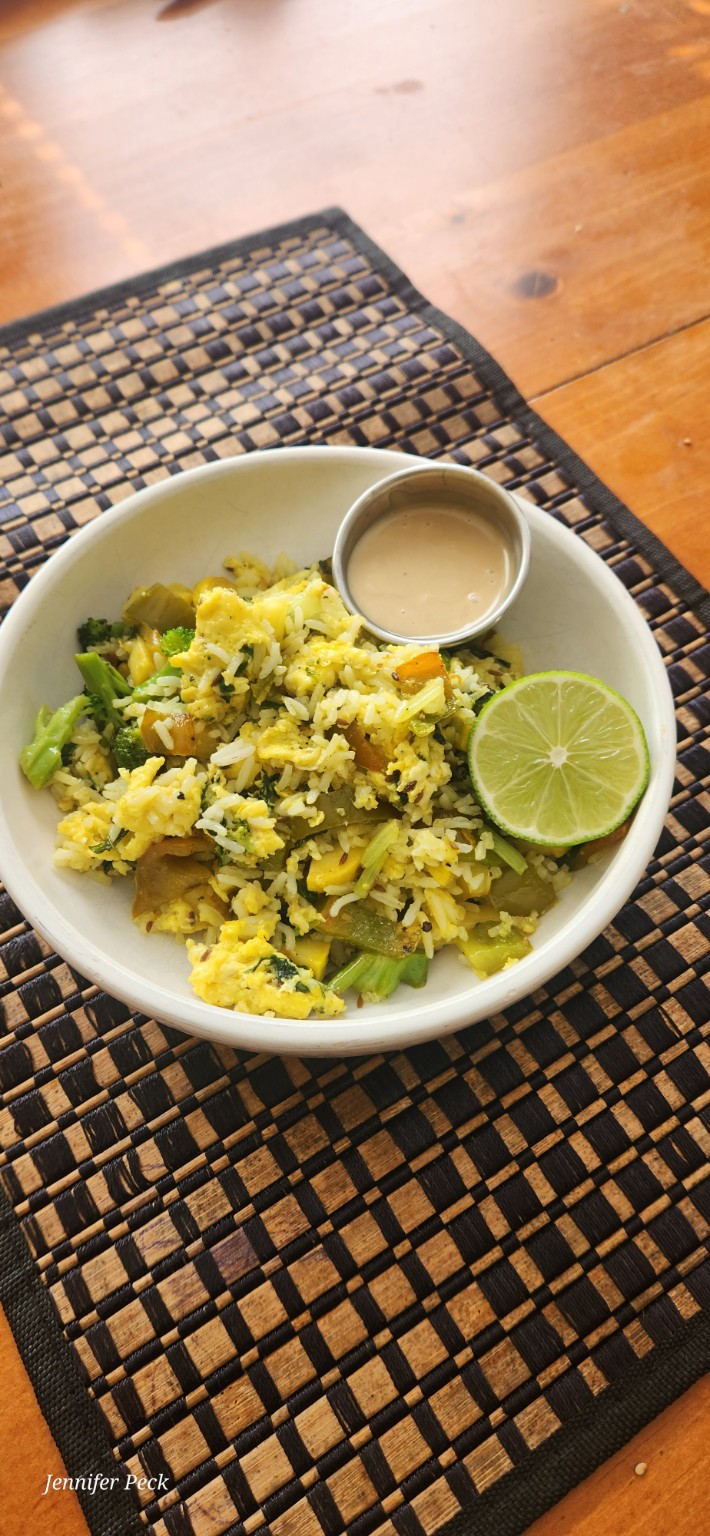
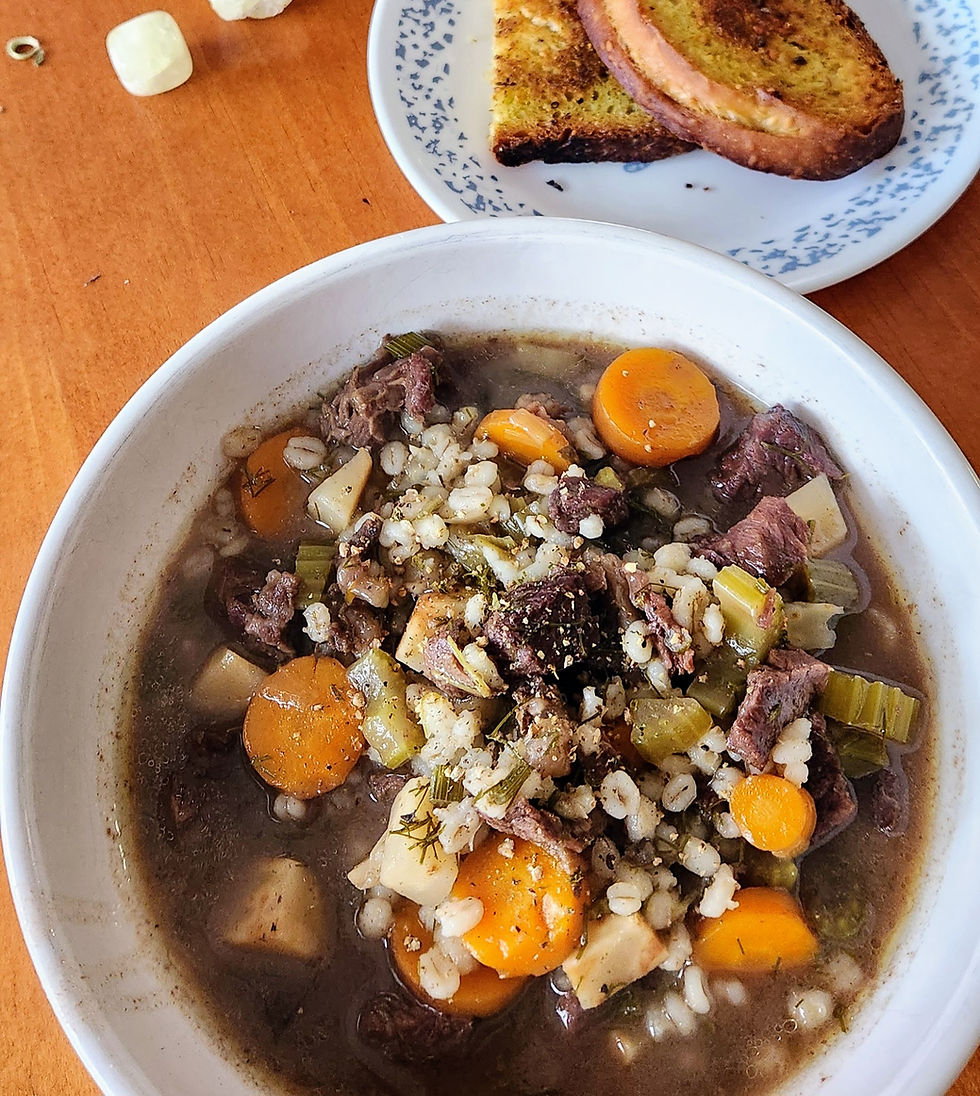
Ginger





.jpg)


.jpg)

How This Food Supports the Body
These functional categories highlight the primary ways this food or herb supports balance in the body. In Ayurveda, foods are not only nourishment — they also have specific actions that can influence digestion, the nervous system, hormones, immunity, and more.