

Cabbage
Cabbage: The Quiet Detoxifier of the Kitchen Garden
Cabbage carries a subtle sweetness beneath its mild pungent and slightly astringent nature. Its overall qualities are light, dry, and rough, which is why it naturally supports Kapha and Pitta by clearing stagnation and cooling excess internal heat. At the same time, those same qualities can be aggravating for Vata—especially when eaten raw or in large amounts.
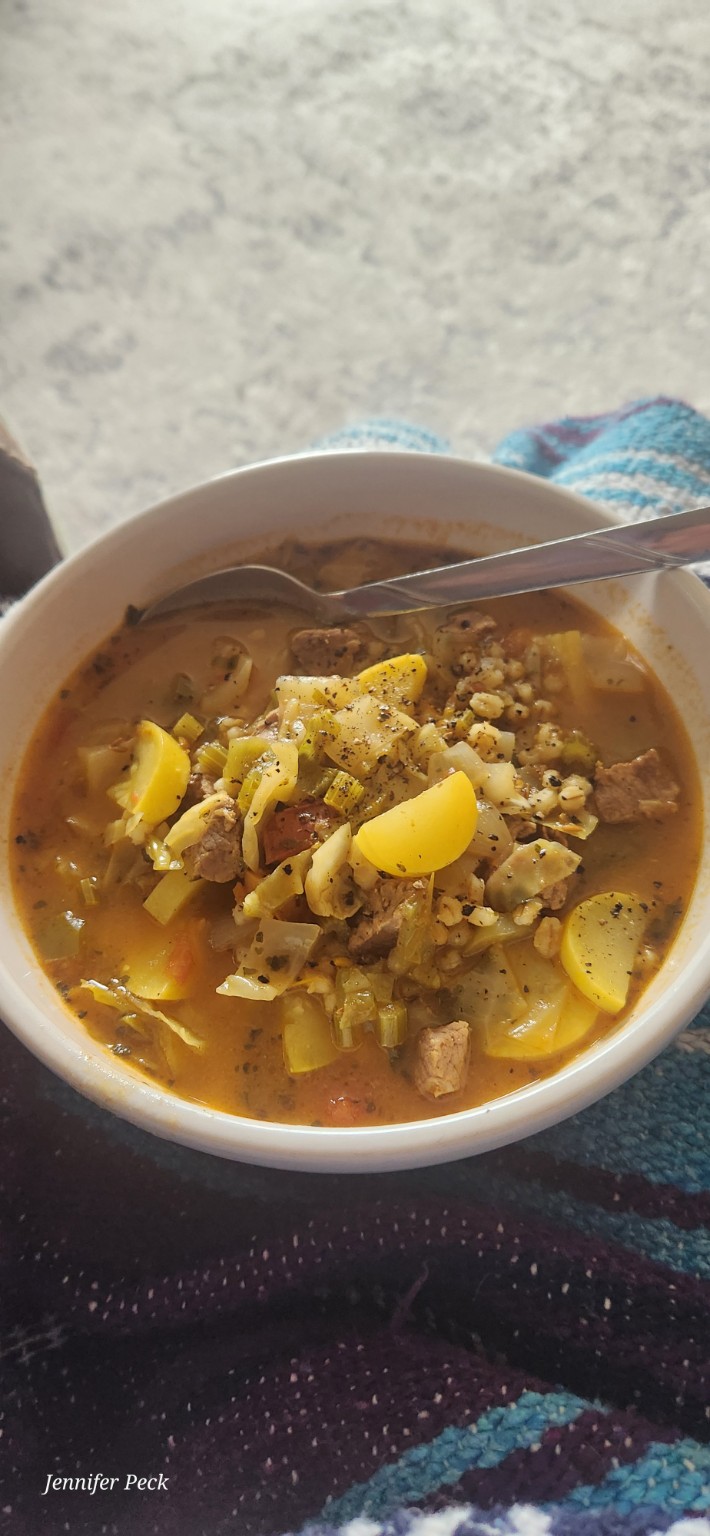
Preparation makes all the difference. Raw cabbage in salads is crisp and cleansing but can be gassy and difficult to digest for many, particularly those with sensitive digestion. Lightly sautéing it in ghee with cumin, mustard seeds, or fennel softens its roughness and makes it far more approachable. Slow braising or adding it to soups allows its fibers to relax, reducing bloating and supporting steadier digestion. Fermented cabbage, like sauerkraut, transforms again—becoming more sour, warming, and stimulating to agni in small amounts.
Seasonally, cabbage shines in late fall through early spring when heavier foods and richer meals dominate. Its gentle scraping quality helps clear accumulated winter heaviness without being extreme. In warmer months, lighter preparations and small portions are best to avoid excess dryness.
From a modern nutritional perspective, cabbage is rich in vitamin C, fiber, and plant compounds that support liver function and cellular protection. It is simple food medicine—accessible, grounding, and quietly effective. When prepared thoughtfully and paired with healthy fats and spices, cabbage becomes more than a side dish; it becomes a steady ally for balance.
Storage
Keep a whole cabbage unwashed in the refrigerator crisper, where it can last for weeks. Wrap cut surfaces and trim away only what has dried before using the remainder.
Preparation
Shred for quick sautés, braise until tender, roast in wedges, or simmer in soup. Cabbage can be light and gas-forming, so thorough cooking with cumin, ginger, ajwain, or hing may make it more comfortable for Vata digestion.
Preservation
Ferment cabbage as sauerkraut or kimchi, quick-pickle it, or blanch and freeze it for soups and braises. Use reliable food-safety methods and clean containers for longer ferments.
Ways to Use an Abundance
Make a large pot of cabbage and lentil soup, roast wedges with spices, sauté it with carrots, or fold tender cooked cabbage into grain bowls. A warm slaw is an easy alternative to serving it raw.
Explore recipes with
Cabbage



How This Food Supports the Body
These functional categories highlight the primary ways this food or herb supports balance in the body. In Ayurveda, foods are not only nourishment — they also have specific actions that can influence digestion, the nervous system, hormones, immunity, and more.