

Pears
Pears: Soft Sweetness for Dry Seasons
Pears offer a quiet kind of nourishment — juicy, soft, subtly sweet, and deeply comforting when prepared with care. Their naturally hydrating quality helps soothe dryness in the body, making them especially supportive for Vata and often calming for overheated Pitta as well. While delicious eaten fresh and ripe on their own, pears become even more grounding and digestible when gently cooked.
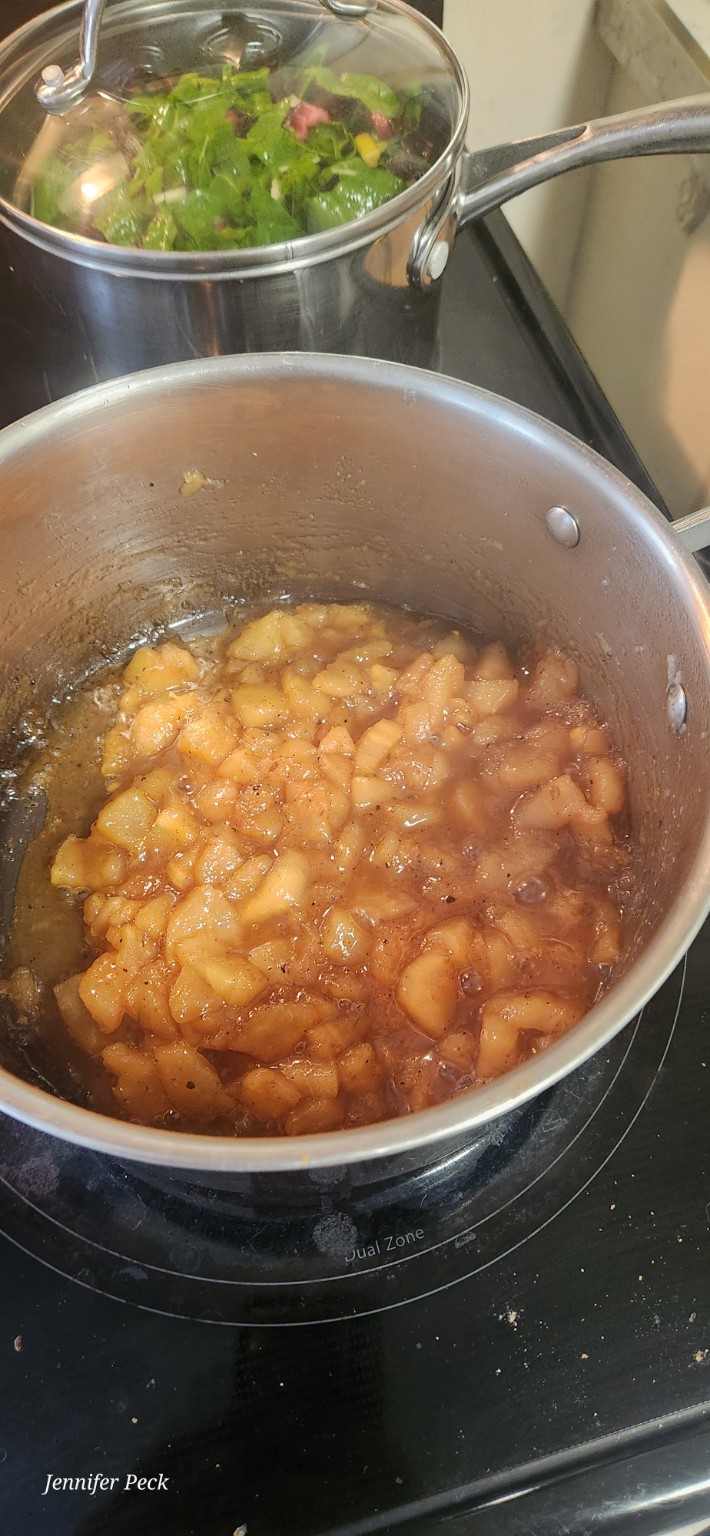
Stewed pears or homemade pear sauce are classic examples of how preparation transforms food into medicine. Slow cooking softens their fibrous structure while enhancing their comforting, moist quality. A touch of cinnamon, cardamom, ginger, or clove brings warmth and digestive support, especially during autumn and early winter when cold, dry qualities begin accumulating in the environment and body. Pear sauce can be deeply soothing for sensitive digestion, dryness, or periods of depletion.
Fresh pears tend to feel lighter and more cleansing, making them lovely in salads, grain bowls, or paired with nuts and bitter greens. Their mild sweetness balances sharp or pungent flavors beautifully. Because pears are naturally moist and somewhat cooling, they are often best enjoyed alone or thoughtfully combined rather than mixed into heavy dairy-rich meals or overly complex desserts.
From a modern nutritional perspective, pears provide fiber, hydration, antioxidants, and gentle natural sugars that tend to feel steadier than highly processed sweets. Their skin contains valuable nutrients, though some people digest peeled pears more comfortably, especially during times of weakened digestion.
Whether simmered into jam, spooned warm over breakfast grains, or eaten ripe beneath a tree in late summer, pears remind us that softness itself can be nourishing.
Storage
Ripen firm pears at room temperature, then refrigerate once they yield slightly near the stem. Keep bruised fruit separate and use it first in cooked preparations.
Preparation
Ripe pears are lovely fresh, but poaching, stewing, or baking makes them warm and soft. In Ayurveda, this gentle preparation can be especially welcome in cool weather or for Vata, while very cold or underripe fruit may feel less comfortable.
Preservation
Poach and refrigerate pears, cook them into sauce or butter, can them safely using a tested method, or slice and freeze them for smoothies and baking.
Ways to Use an Abundance
Simmer pears with cardamom and cinnamon, bake them with oats and nuts, add them to chutney, or fold soft cooked fruit into warm porridge. Their mellow sweetness also pairs beautifully with ginger.
Explore recipes with
Pears
How This Food Supports the Body
These functional categories highlight the primary ways this food or herb supports balance in the body. In Ayurveda, foods are not only nourishment — they also have specific actions that can influence digestion, the nervous system, hormones, immunity, and more.