
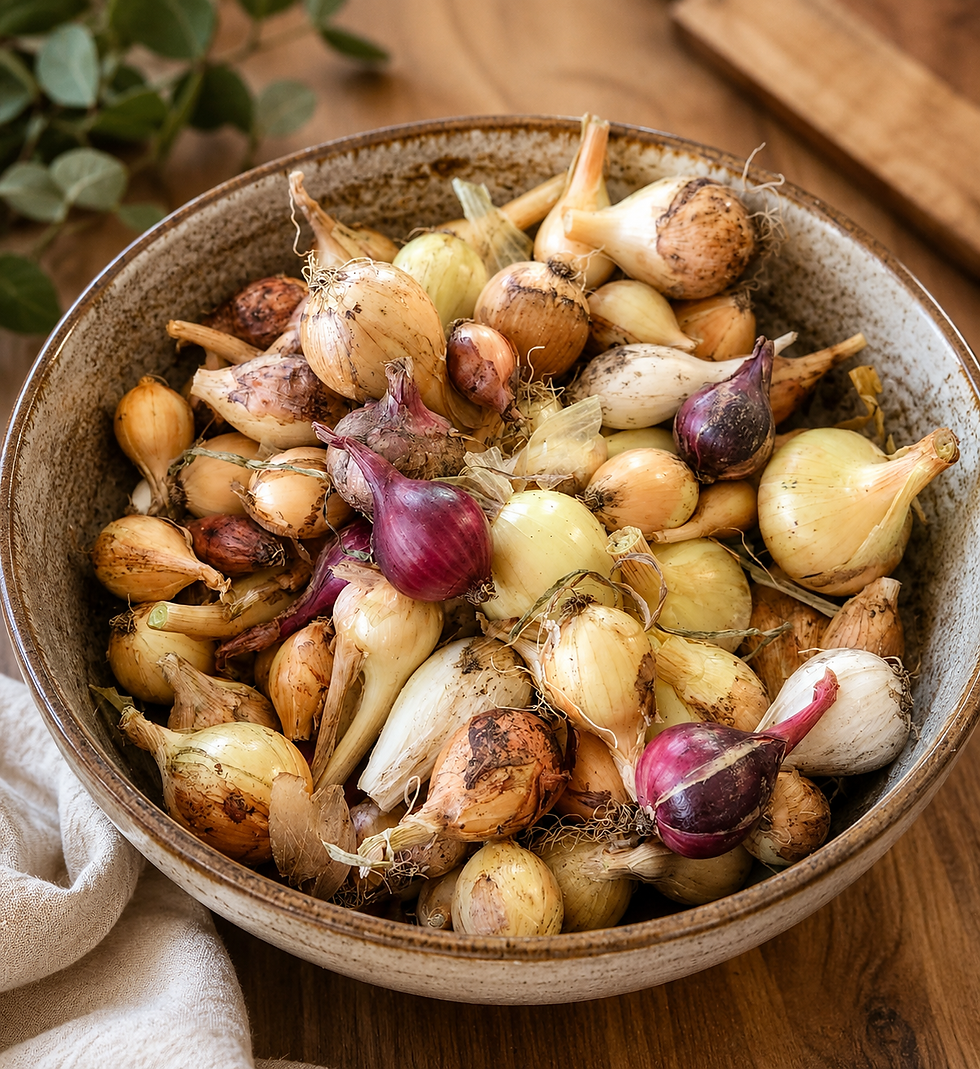
Onions
Onion: The Humble Foundation of the Ayurvedic Kitchen
In many Ayurvedic kitchens, healing begins not with an elaborate recipe, but with the gentle sizzle of onions in ghee alongside digestive spices. This simple combination creates the aromatic foundation of countless soups, stews, dals, sautés, and grain dishes. Onion is one of those deeply humble foods that quietly supports nourishment, warmth, flavor, and digestive awakening all at once.
Raw onions are distinctly more sharp, pungent, heating, and stimulating. They increase circulation, awaken digestion, break through heaviness, and can help move stagnation in the body. In excess, however, raw onion may aggravate Pitta through heat and intensity, while also becoming too strong or irritating for sensitive digestion. This is especially true during hot summer months, periods of inflammation, or times of emotional irritability and overstimulation.
Cooking dramatically changes the energetic nature of onion. Slow-cooked onions become far sweeter, softer, heavier, and more grounding. Their natural sugars emerge, making them deeply comforting and supportive for Vata, especially when prepared with ghee, warming spices, soups, broths, or root vegetables. This is one reason onions appear so often at the beginning of Ayurvedic cooking—they help build a nourishing digestive base while softening the impact of heavier foods.
Different onion varieties carry slightly different personalities. Red onions tend to be a bit sharper and more heating, especially raw. White onions are generally strongest and most pungent. Yellow onions strike a beautiful middle ground and are often ideal for everyday cooking. Sweet onions become milder and more balancing when cooked, making them particularly lovely for soups, caramelized dishes, and cooler seasons.
From a modern nutritional perspective, onions are rich in sulfur compounds, antioxidants, and prebiotic fibers that support gut health and circulation. Yet Ayurveda reminds us that how onions are prepared matters just as much as their nutrient content. A slowly cooked onion in ghee is a very different experience for the body than a large pile of raw onion on a hot summer day.
For many people, onions are less about the onion itself and more about what it represents: the sacred beginning of a meal made with care. The cutting board, the warming pan, the scent of spices blooming in oil, the kitchen slowly filling with aroma—this is where nourishment often truly begins.
Storage
Keep whole dry onions in a cool, dark, well-ventilated place away from potatoes. Refrigerate cut onions in a sealed container and use them within several days.
Preparation
Slice and cook slowly for sweetness, sauté as an aromatic base, roast whole, or add to soup. Ayurveda generally views onions as heating and stimulating; cooked onions are milder, while people managing excess Pitta may prefer smaller amounts.
Preservation
Caramelize and freeze onions in small portions, dehydrate thin slices, or preserve them in a tested pickle or relish. Do not store raw onion submerged in oil at room temperature.
Ways to Use an Abundance
Make French onion-style soup, onion chutney, roasted onion sauce, kitchari toppings, or a large caramelized batch for eggs, grains, and vegetables.
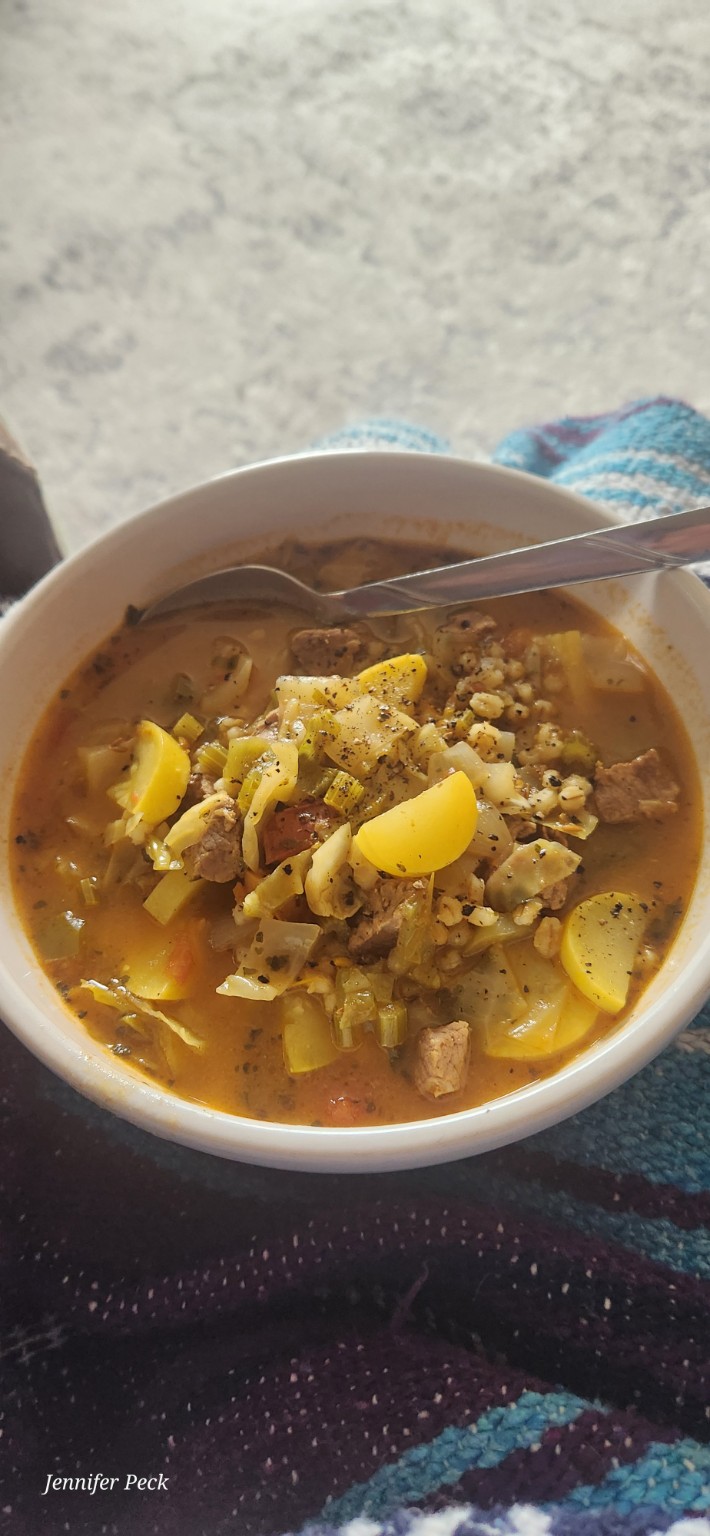
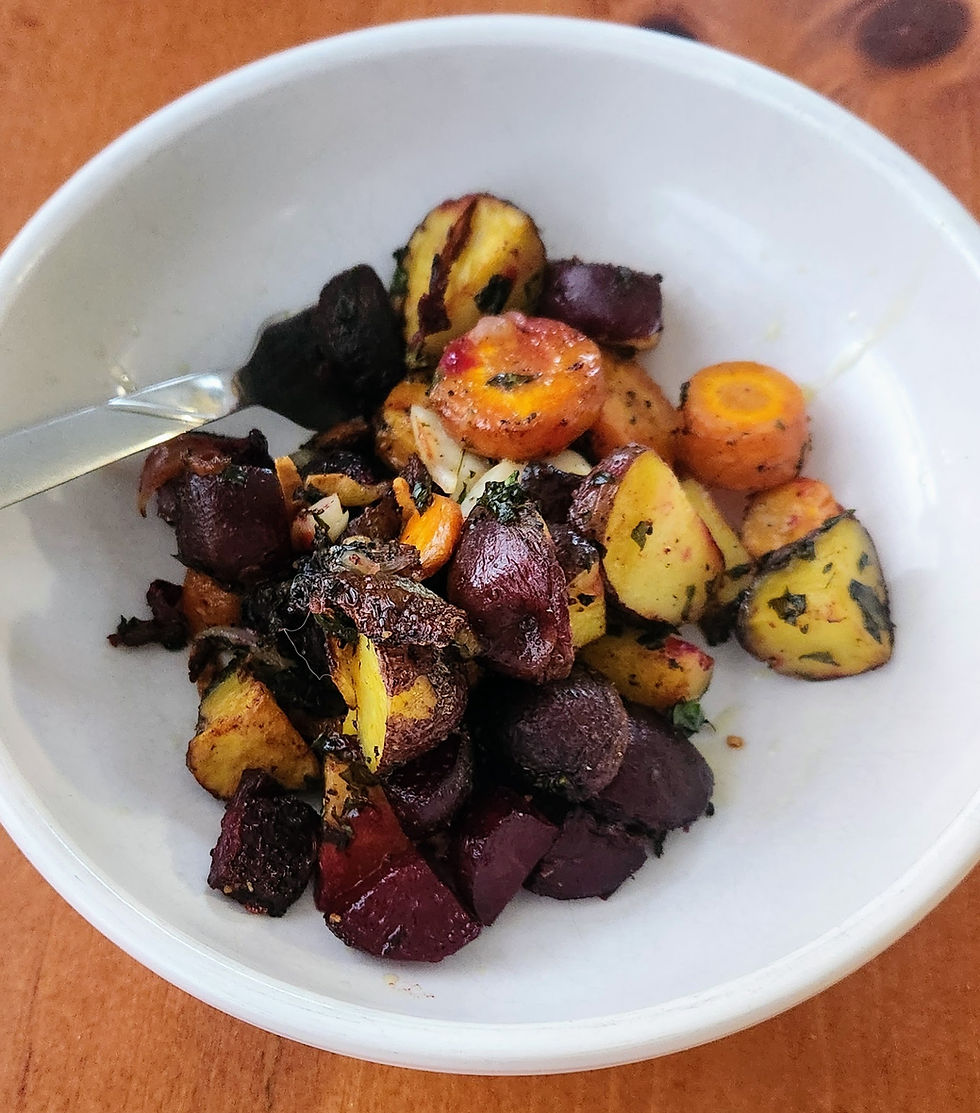
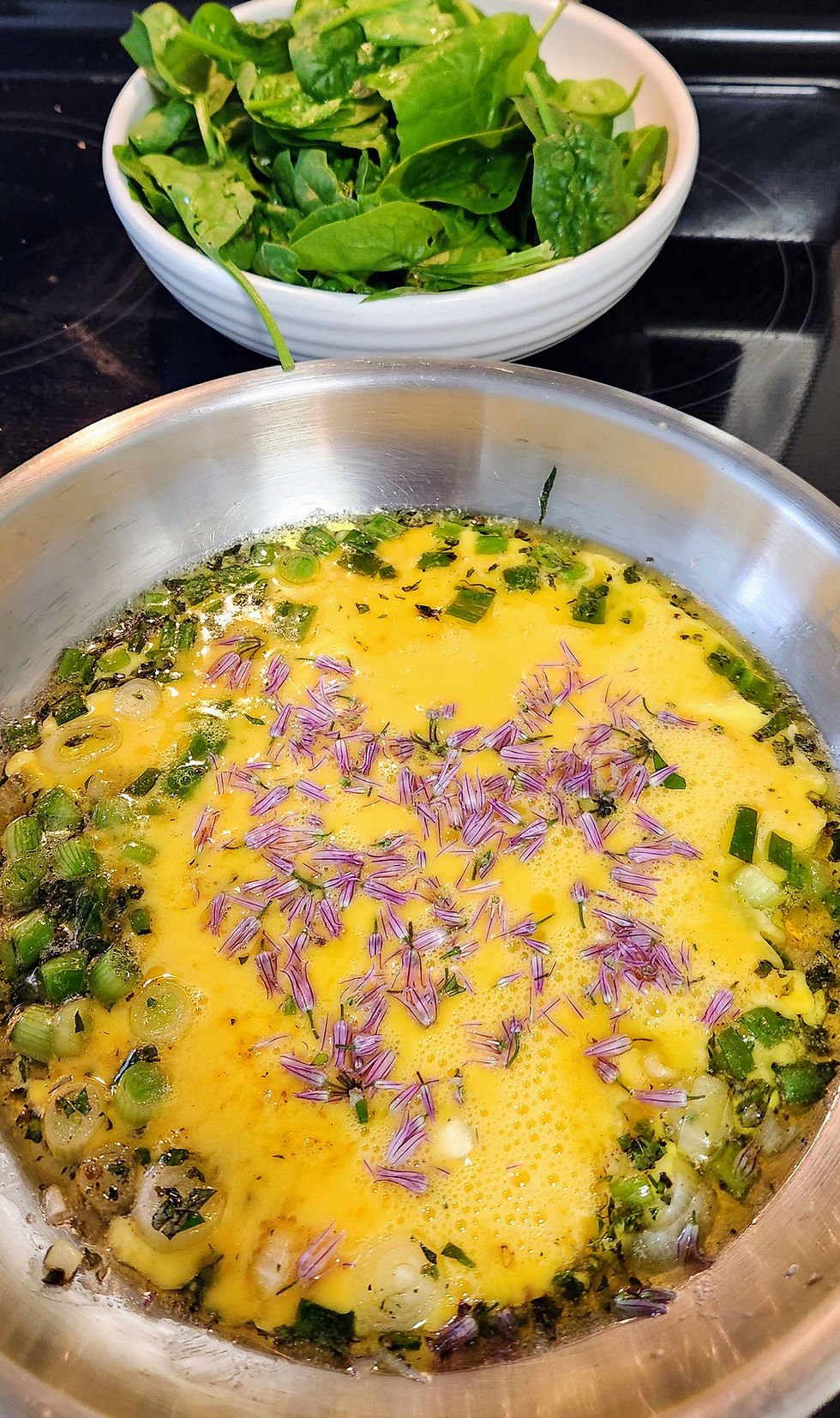
Explore recipes with
Onions


.jpg)


.jpg)


.jpg)


.jpg)


How This Food Supports the Body
These functional categories highlight the primary ways this food or herb supports balance in the body. In Ayurveda, foods are not only nourishment — they also have specific actions that can influence digestion, the nervous system, hormones, immunity, and more.