

Spinach
Spinach: The Quiet Blood Builder & Spring Cleanser
Spinach is a deeply nourishing leafy green that bridges cleansing and rebuilding. In Ayurveda, its bitter and astringent tastes help to clear excess heat and support the blood, while its mineral-rich profile offers grounding nourishment to the tissues. Though often considered cooling, spinach carries a subtle sharpness that can become slightly aggravating when consumed raw or in excess—especially for those with sensitive digestion or elevated Vata.
When prepared properly, spinach transforms into a highly supportive food. Lightly sautéing with ghee and digestive spices such as cumin, coriander, and fennel softens its rough edges, enhances absorption, and makes it more accessible to the body. This preparation method aligns beautifully with early spring, where the body benefits from gentle cleansing without depletion.
From a Western perspective, spinach is rich in iron, magnesium, folate, and antioxidants, making it a valuable ally for energy, circulation, and overall vitality. However, its oxalate content can interfere with mineral absorption when eaten in large quantities, particularly raw. Cooking helps reduce this effect and improves bioavailability.
In the JenZen kitchen, spinach is best treated as a supportive green rather than a base, woven into soups, sautés, and bowls alongside warming fats and spices. This approach honors both its cleansing nature and its need for balance—transforming it from potentially aggravating to deeply nourishing.
JenZen Kitchen Note 🌿
Spinach has always been a favorite in my kitchen—woven effortlessly into soups, sautés, and nourishing bowls. Finishing with lemon or vinegar and cooking with ghee and spices brings it into beautiful balance, enhancing both flavor and digestibility.
JenZen Principle ✨
Not all “healthy foods” are balancing in all forms. Preparation is everything.
Storage
Store spinach unwashed or very well dried in a towel-lined container in the refrigerator. Excess moisture causes rapid spoilage. Use tender leaves within three to five days and remove any slimy leaves promptly.
Preparation
Rinse spinach in several changes of water because soil collects easily in the leaves. Spin or pat dry. Brief sautéing, steaming, or simmering reduces its volume dramatically and makes a large harvest easier to use. Ghee and warming spices help balance spinach’s light, slightly cooling qualities.
Preservation
Blanch spinach briefly, cool it in ice water, squeeze out the excess moisture, and freeze in meal-size portions. Puréed spinach can be frozen in cubes for soup, sauce, or curry. Dehydrated leaves may be crumbled into seasoning blends, although their bright color will soften.
Ways to Use an Abundance
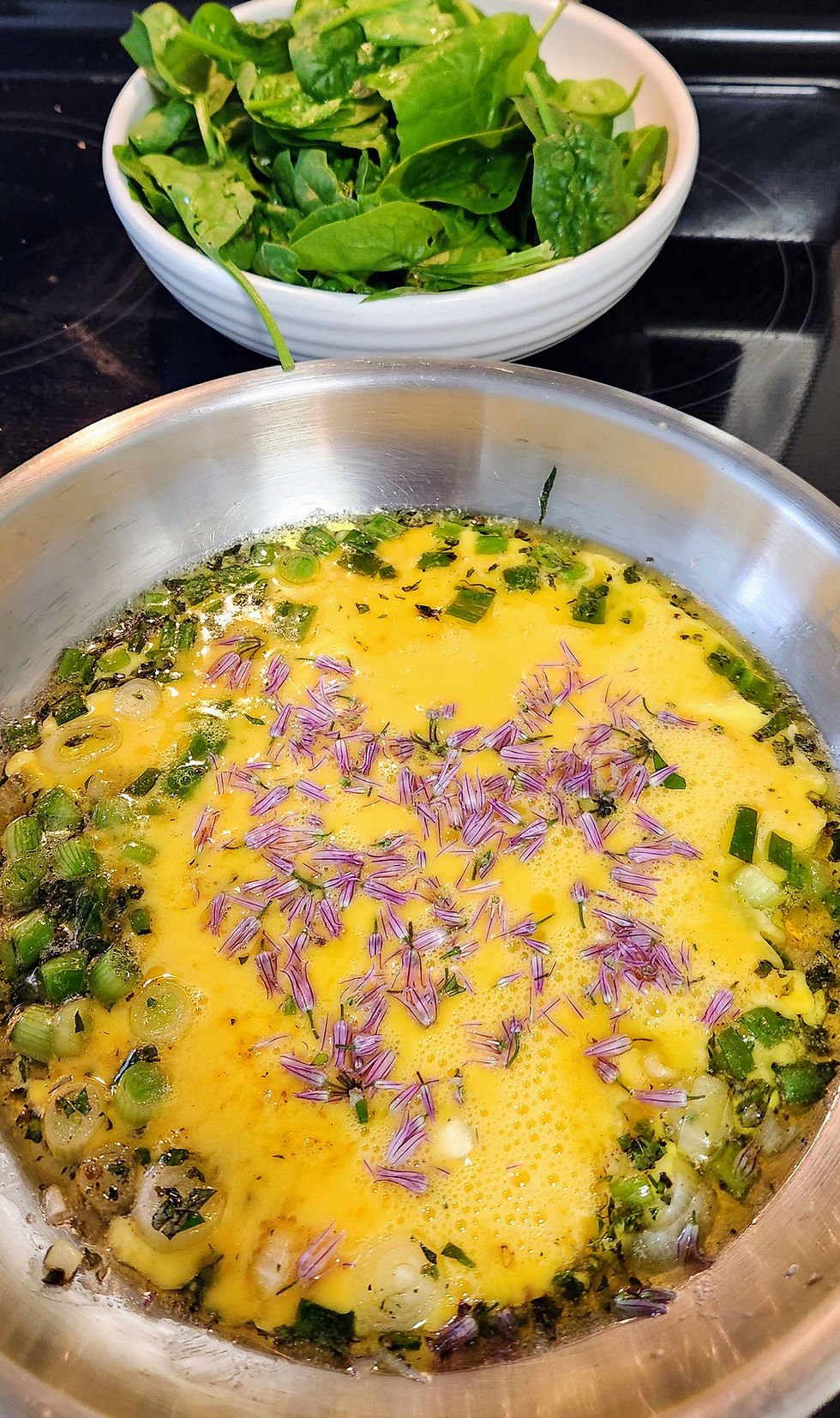
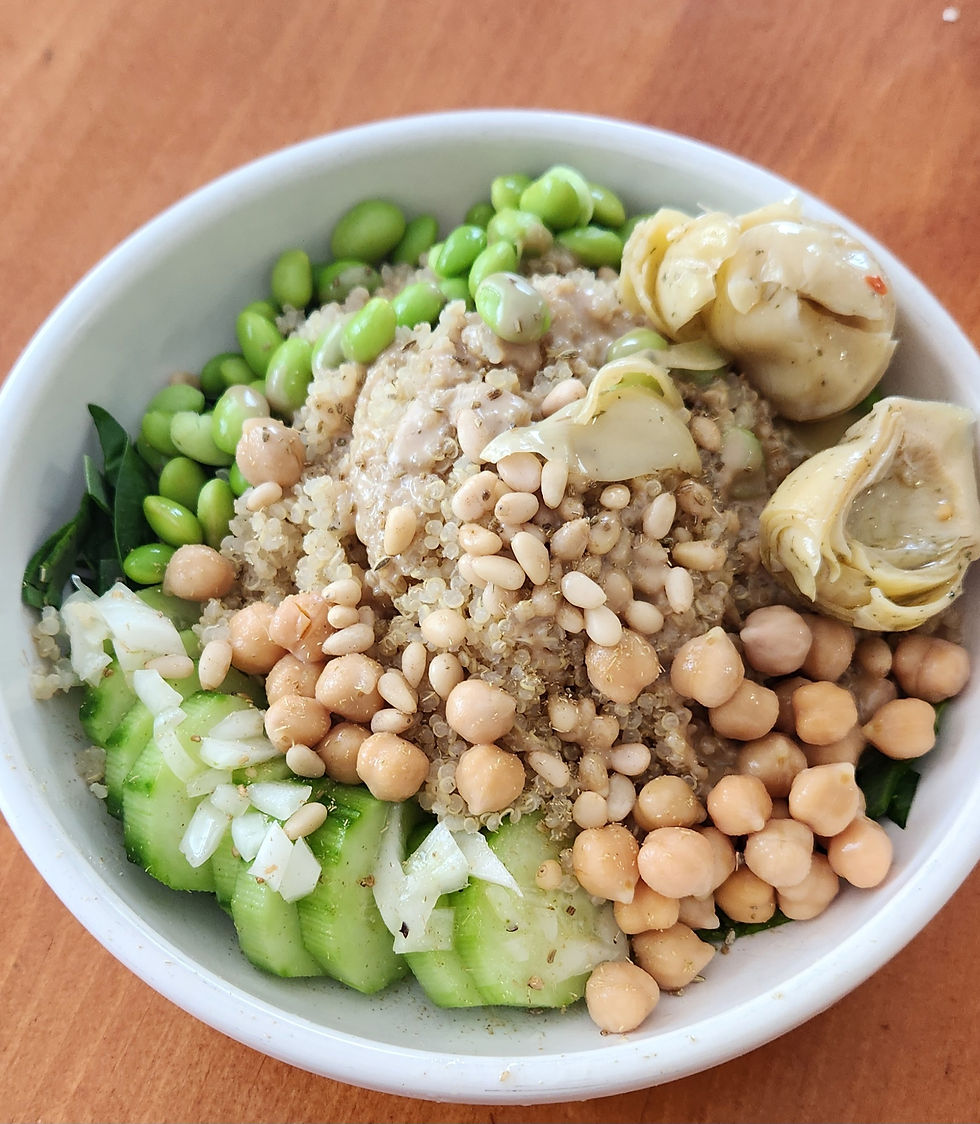
Fold spinach into omelets, frittatas, soup, kitchari, pasta sauce, or warm grain bowls. Sauté it with garlic and ginger, blend it into pesto, or combine it with chickpeas, eggs, potatoes, rice, sesame, cumin, and coriander.
Explore recipes with
Spinach


.jpg)
.jpg)


How This Food Supports the Body
These functional categories highlight the primary ways this food or herb supports balance in the body. In Ayurveda, foods are not only nourishment — they also have specific actions that can influence digestion, the nervous system, hormones, immunity, and more.