

Green Onions
Green Onions: Fresh Brightness for the Seasonal Kitchen
Green onions carry the familiar warmth and pungency of the onion family, but with a much lighter, fresher personality than mature storage onions. Their sharp, light, and gently warming qualities help stimulate digestion, awaken the palate, and bring movement to heavier or stagnant meals. They are particularly supportive for balancing excess Kapha and can also gently support Vata when cooked into nourishing dishes with healthy fats.
Unlike heavier onions that become deeply grounding when caramelized or slow cooked, green onions remain lively and fresh even after cooking. The white portion carries more concentrated pungency, while the green tops offer a softer, greener flavor that blends beautifully into spring and early summer meals.
Because of their lighter nature, excessive amounts of raw green onions may aggravate Pitta, especially during very hot weather or in those already experiencing heat or inflammation.
Green onions shine during the early CSA and garden season when meals naturally begin shifting lighter after winter. They effortlessly bridge the gap between raw freshness and cooked nourishment. Stirred into soups, grain bowls, eggs, noodles, dressings, or sautés, they add brightness without overpowering a dish. Nutritionally, green onions provide vitamin K, vitamin C, antioxidants, sulfur compounds, and gentle digestive stimulation.
One of the most useful things about green onions is how beautifully they preserve. The tops can easily be dehydrated into homemade green onion powder — a deeply flavorful seasoning that captures the taste of early summer abundance long after the season passes.
Storage
Green onions are highly perishable because of their moisture content.
For best storage:
Remove rubber bands or tight ties
Gently dry excess moisture before refrigerating
If very wet, lightly roll in a paper towel to absorb moisture
Store loosely wrapped in the refrigerator or upright in a jar with airflow
Too much trapped moisture often causes rapid sliminess or rot.
If using quickly, they may also be stored upright in a small amount of water like herbs.
Preparation
Slice raw over soups, grain bowls, eggs, tacos, noodles, and salads
Sauté into stir-fries, broths, rice dishes, and vegetables
Blend into savory yogurt sauces or dressings
Add near the end of cooking for fresher flavor
Use both white and green portions for layered flavor
The greens are often sweeter and softer, while the white stems offer more pungency and digestive stimulation.
Preservation
Green onions preserve exceptionally well, especially the green tops.
One of the easiest preservation methods:
Cut off roughly the top 2/3 of the greens
Chop into small pieces
Dehydrate until fully dry
Blend into homemade green onion powder
This powder is incredibly flavorful and can be sprinkled into:
soups
eggs
grain dishes
dips
dressings
broths
roasted vegetables
Additional preservation ideas:
Freeze chopped portions for cooking
Blend into compound butter or ghee
Add to broth bags for freezer stock making
How to Use the Abundance
Sprinkle raw over grain bowls and soups
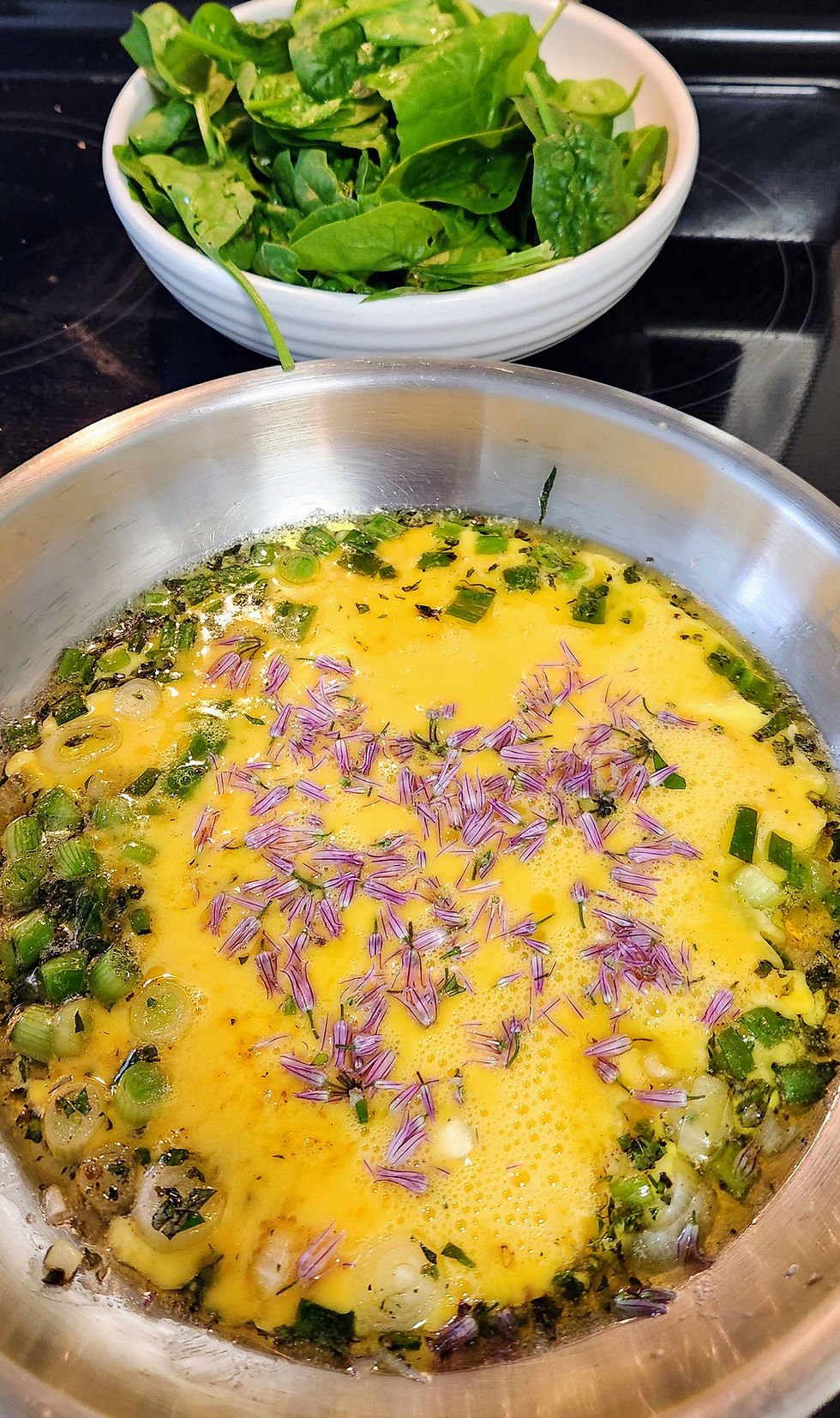
Add generously to scrambled eggs or omelets
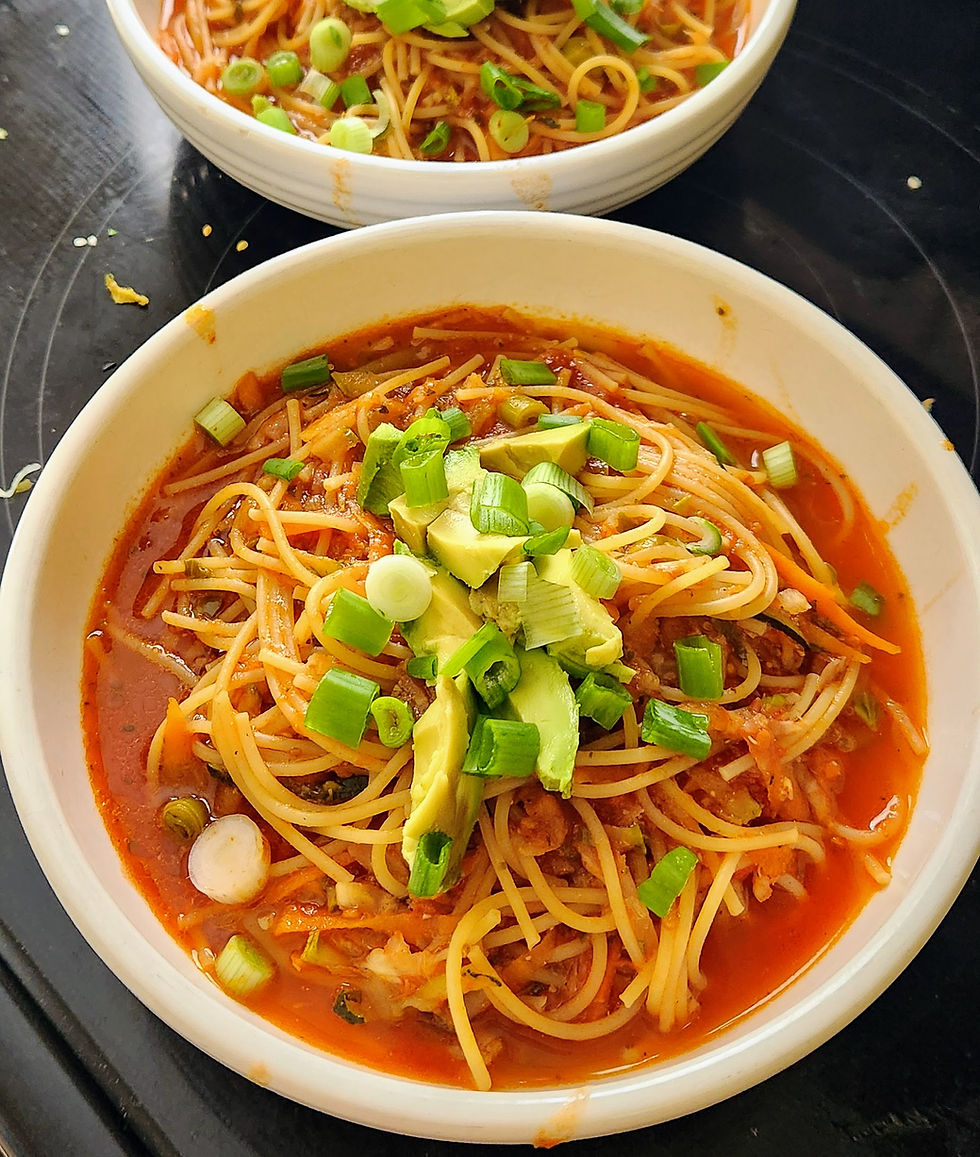
Stir into noodle bowls and brothy dishes
Blend into savory sauces and dressings
Mix into cream cheese, yogurt, or dips
Fold into potato salad or egg salad
Add to fried rice or quinoa dishes
Use in scallion pancakes or savory flatbreads
Dehydrate into homemade seasoning powder
Freeze chopped portions for winter cooking
Stir into roasted vegetables just before serving
Green onions are one of the easiest “little extras” that instantly make simple meals feel fresh and alive.
Explore recipes with
Green Onions




.jpg)
.jpg)


How This Food Supports the Body
These functional categories highlight the primary ways this food or herb supports balance in the body. In Ayurveda, foods are not only nourishment — they also have specific actions that can influence digestion, the nervous system, hormones, immunity, and more.