

Chickpea
Chickpeas: Earthy Strength with a Drying Edge
Chickpeas carry a naturally sweet and astringent taste, giving them a stabilizing yet slightly drying effect in the body. Their qualities are light, dry, and a bit rough, which makes them wonderfully helpful for reducing excess moisture and heaviness. This is why they tend to balance Kapha so beautifully and can also support Pitta when prepared with cooling herbs and moderate spice.
Because of their dryness, preparation matters deeply. Soaking overnight, cooking thoroughly until soft, and adding digestive spices like cumin, coriander, ginger, or hing transforms chickpeas into a much more digestible food. A spoonful of ghee or good olive oil softens their rough edge and protects the digestive fire. Without these steps, they can easily aggravate Vata, leading to gas, bloating, or dryness in the tissues.
Chickpeas are protein-rich, high in fiber, and offer steady energy. They are ideal in cooler months or during damp, heavy seasons when we want nourishment without sluggishness. In warmer months, they do best in lighter preparations — think hummus with lemon and tahini or tossed into fresh salads with plenty of herbs and healthy fats.
In moderation and prepared with care, chickpeas are strengthening, satisfying, and deeply versatile. They remind us that legumes are not simply “healthy” — they are intelligent foods that ask to be softened, spiced, and brought into balance before they truly nourish us.
Storage
Store dry chickpeas airtight in a cool pantry. Refrigerate cooked chickpeas in their cooking liquid for several days or freeze them in meal-sized portions; cool them promptly after cooking.
Preparation
Soak dried chickpeas, drain, and cook in fresh water until completely tender. Their dry, dense quality can challenge Vata, so long cooking with cumin, ginger, ajwain, hing, or ghee may improve comfort; canned chickpeas should be rinsed well.
Preservation
Freeze cooked chickpeas with a little liquid, freeze hummus in small portions, or roast cooked chickpeas for a shorter-lived crunchy snack. Dry beans remain the simplest long-term storage option.
Ways to Use an Abundance
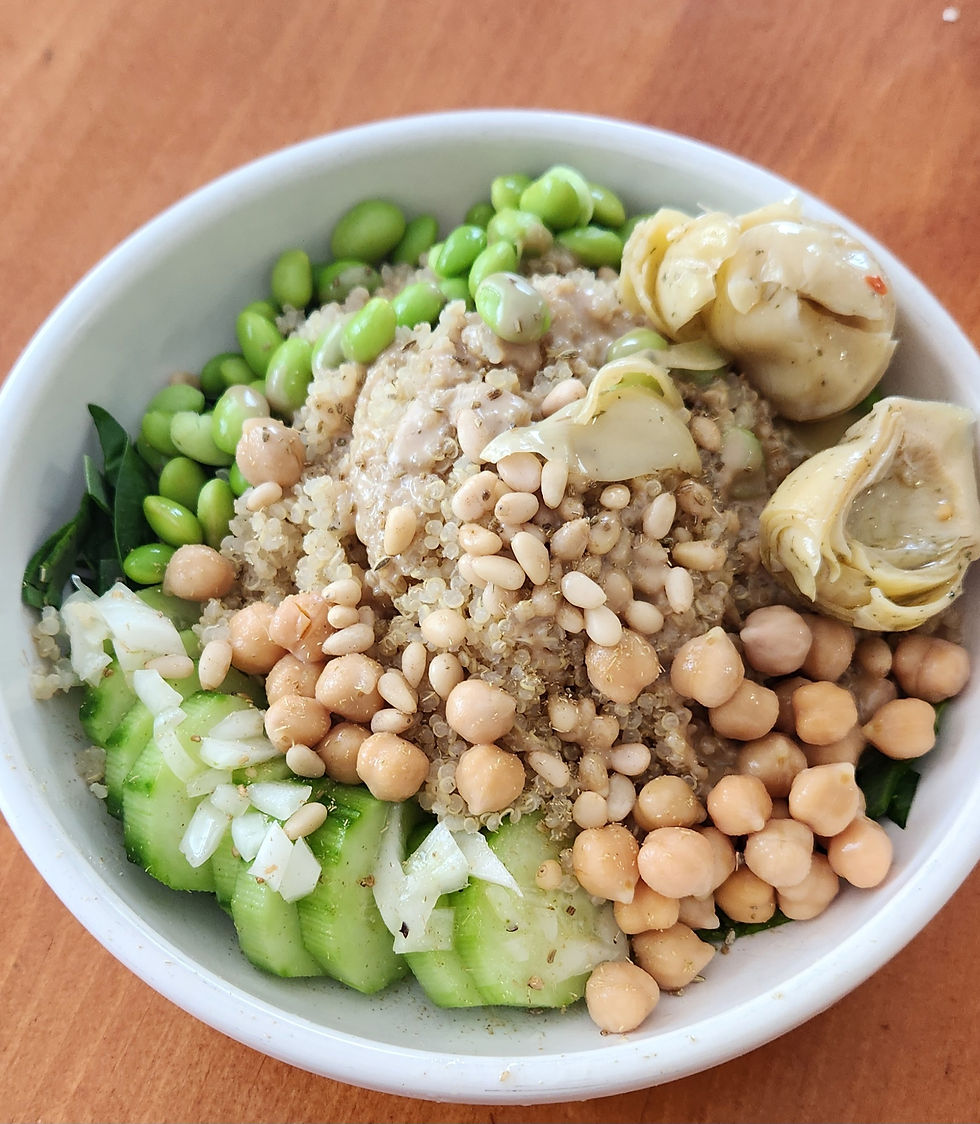
Make hummus, chana masala, soup, stew, veggie patties, or a warm chickpea and vegetable bowl. Blend some chickpeas into broth to thicken a soup without dairy.
Explore recipes with
Chickpea


.jpg)


How This Food Supports the Body
These functional categories highlight the primary ways this food or herb supports balance in the body. In Ayurveda, foods are not only nourishment — they also have specific actions that can influence digestion, the nervous system, hormones, immunity, and more.