

Pippali
Pippali: The Deep, Penetrating Breath of Warmth
Pippali (Piper longum), commonly known as long pepper, is a classical Ayurvedic spice revered for its dual action: clearing stagnation while gently rebuilding depleted tissues. Though similar in taste to black pepper, Pippali acts more deeply and is traditionally considered more rejuvenative—particularly for the respiratory system.
In Ayurveda, Pippali is known to stimulate agni (digestive fire), dispel ama (metabolic toxins), and enhance nutrient assimilation. It is one of the three ingredients in the traditional formula Trikatu (alongside ginger and black pepper), where it contributes warmth and penetration without being excessively drying. Its sweet post-digestive effect (vipaka) gives it a slightly more nourishing quality compared to black pepper.
Pippali has a strong affinity for the lungs (Pranavaha Srotas) and is traditionally used in cases of asthma, chronic cough, bronchitis, excess mucus, and cold, damp respiratory conditions. It is considered both expectorant and restorative—clearing Kapha while supporting weakened lung tissue over time. Because of this, it is sometimes described as a respiratory rasayana when used appropriately and in proper dosage.
Beyond the lungs, Pippali supports sluggish digestion, low appetite, bloating, and metabolic stagnation—particularly when Kapha accumulates during late winter and spring. Its penetrating and circulatory qualities help move stagnation while its mild oiliness prevents excessive dryness.
From a Western herbal perspective, Pippali contains piperine and other alkaloids that may enhance bioavailability of nutrients and phytochemicals. Like black pepper, it improves absorption, but traditional Ayurvedic understanding considers it gentler and more tissue-supportive over long-term use.
Best used in small culinary amounts, Pippali pairs well with ghee, honey, bone broth, spice blends, kitchari, and warming spring dishes. It is particularly beneficial during Kapha season but should be used cautiously in individuals with high Pitta, acid reflux, or active inflammation.
Related Articles
Spring Digestive Reset with Ayurvedic Spices
The Warming Power of Pungent Spices in Late Winter
The Honey Trick for Brain Support (because pippali enhances absorption)
Cumin: The Quiet Digestive Hero of Winter Cooking
Related Ingredients
Traditional Combinations
Pippali is traditionally combined with ginger and black pepper in trikatu, a strongly heating blend used in small amounts. Depending on the purpose, it may also be paired with honey, ghee, warm milk, turmeric, or cardamom. These combinations change how the herb is carried and should be chosen for the individual rather than used automatically.
Use with Awareness
Pippali is more medicinal than an everyday seasoning. Begin with very small amounts and avoid assuming that more is better. People who are pregnant, taking medication, experiencing active inflammation, reflux, or abundant Pitta should seek individualized guidance before using it regularly.
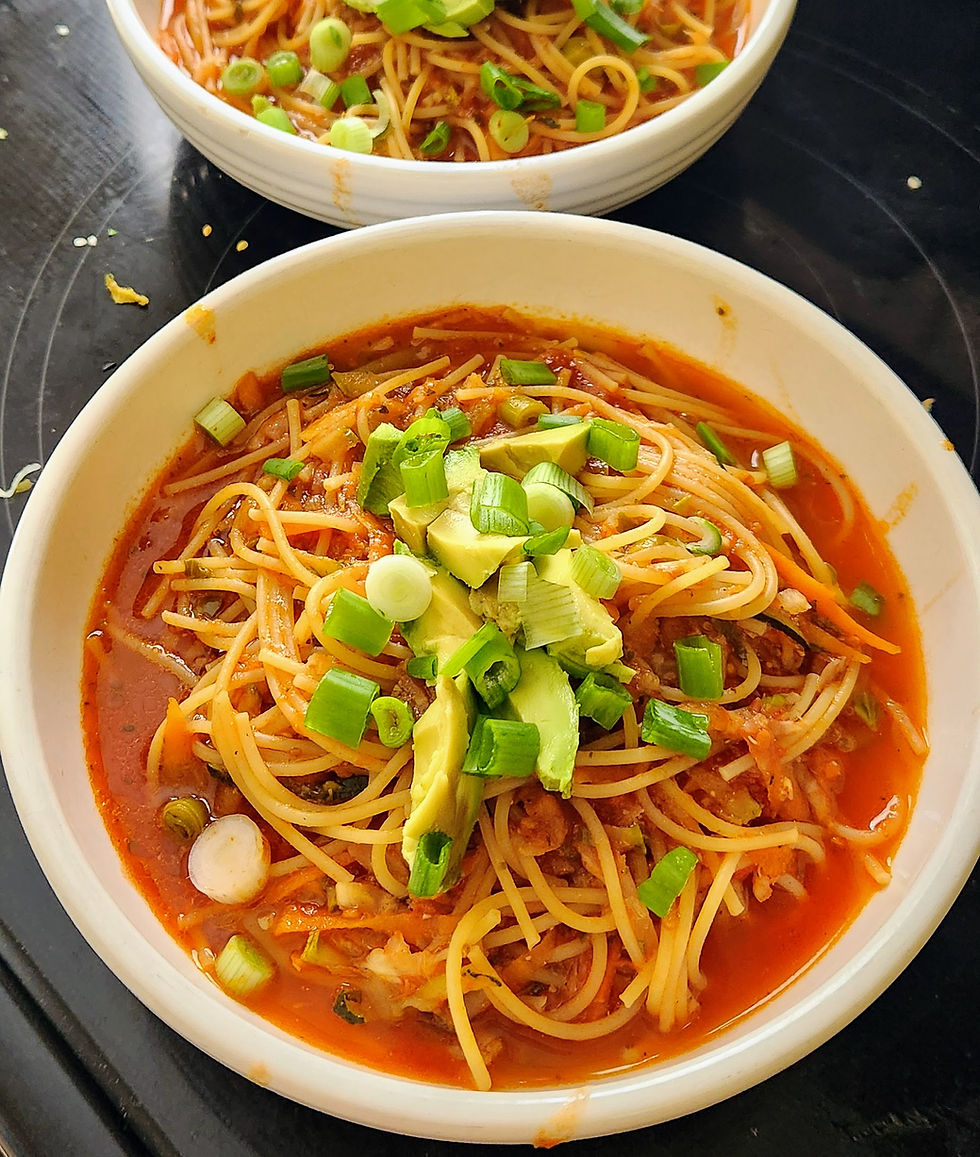
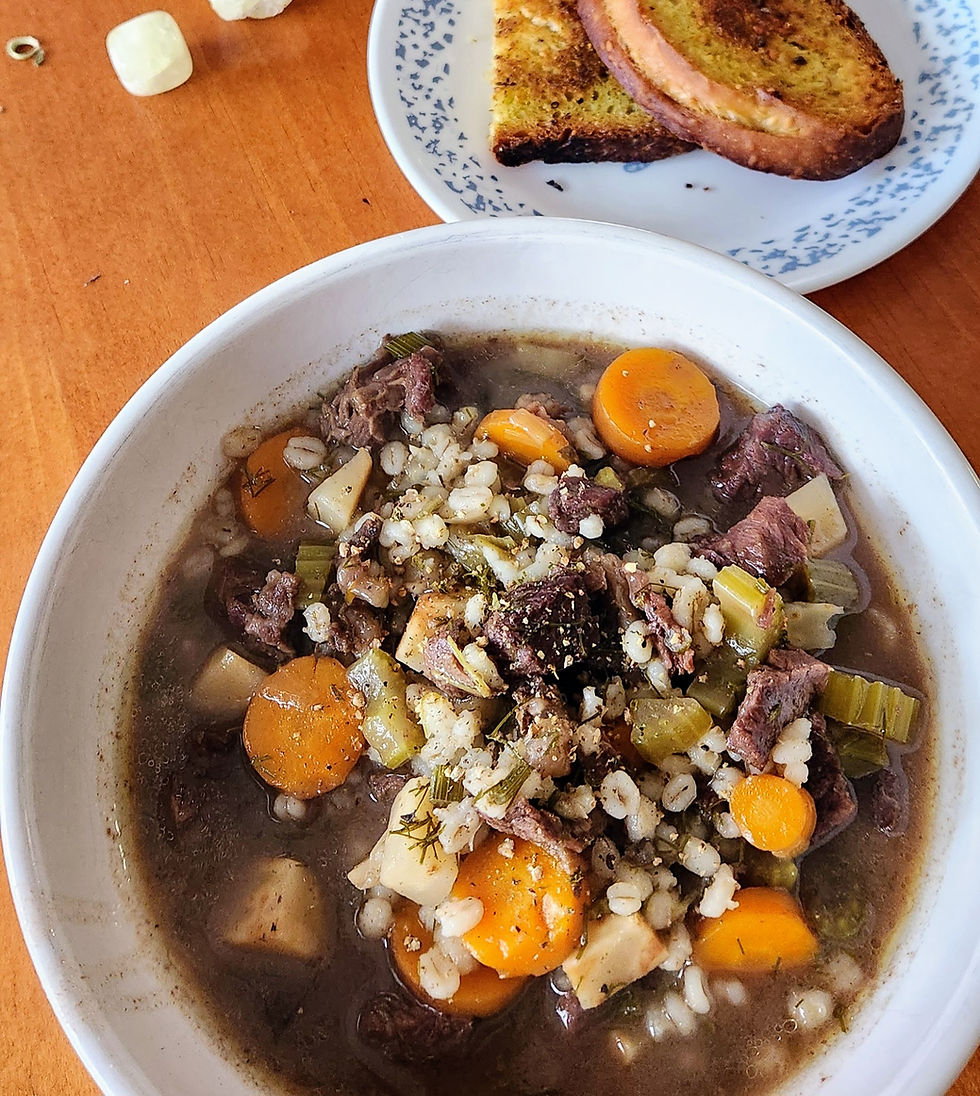
Explore recipes with
Pippali





How This Food Supports the Body
These functional categories highlight the primary ways this food or herb supports balance in the body. In Ayurveda, foods are not only nourishment — they also have specific actions that can influence digestion, the nervous system, hormones, immunity, and more.