

Carrots
Carrots: A Sweet Root that Nourishes and Grounds
Carrots are one of the most widely used root vegetables across culinary traditions and are valued in Ayurveda for their gentle sweetness, grounding qualities, and ability to nourish the tissues without overwhelming digestion. When cooked, carrots become soft, slightly warming, and easy to digest, making them especially supportive for Vata dosha.
Their natural sweetness also provides gentle nourishment for Pitta when balanced with digestive spices such as ginger, cumin, or coriander.
From an Ayurvedic perspective, carrots support healthy blood (rakta dhatu), nourish the tissues, and help gently stimulate digestion without creating excess heat. Their subtle bitterness also supports the liver and helps balance heavier foods. Roasting or sautéing carrots in ghee enhances their digestibility and allows their sweetness to deepen, making them particularly comforting during cooler months and seasonal transitions.
From a Western nutritional perspective, carrots are rich in beta-carotene, a powerful antioxidant that the body converts into vitamin A. This nutrient plays a key role in eye health, immune function, and cellular protection. Carrots also provide fiber, potassium, and vitamin K, contributing to cardiovascular health and digestive balance. Their versatility allows them to be used in soups, roasted dishes, broths, salads, and stews, making them an essential ingredient in nourishing whole-food cooking.
Storage
Remove carrot tops soon after harvest so they do not pull moisture from the roots. Refrigerate unwashed carrots in a humid container or produce bag; properly stored roots can remain crisp for several weeks. Keep the greens separately in a damp towel-lined container and use them within several days.
Preparation
Scrub young carrots well and peel only when the skin is tough or bitter. Roasting concentrates their sweetness, while simmering and braising make them soft and easy to digest. The tops are edible and bring an herbaceous, slightly bitter flavor to pesto, broth, and garden drizzles.
Preservation
Blanch sliced or diced carrots before freezing, ferment them with salt, quick-pickle them, dehydrate them for soup mixes, or pressure can them using a tested recipe. Carrot soup, purée, and roasted carrot sauce all freeze well. Dehydrate clean carrot tops for seasoning or freeze them with broth scraps.
Ways to Use an Abundance
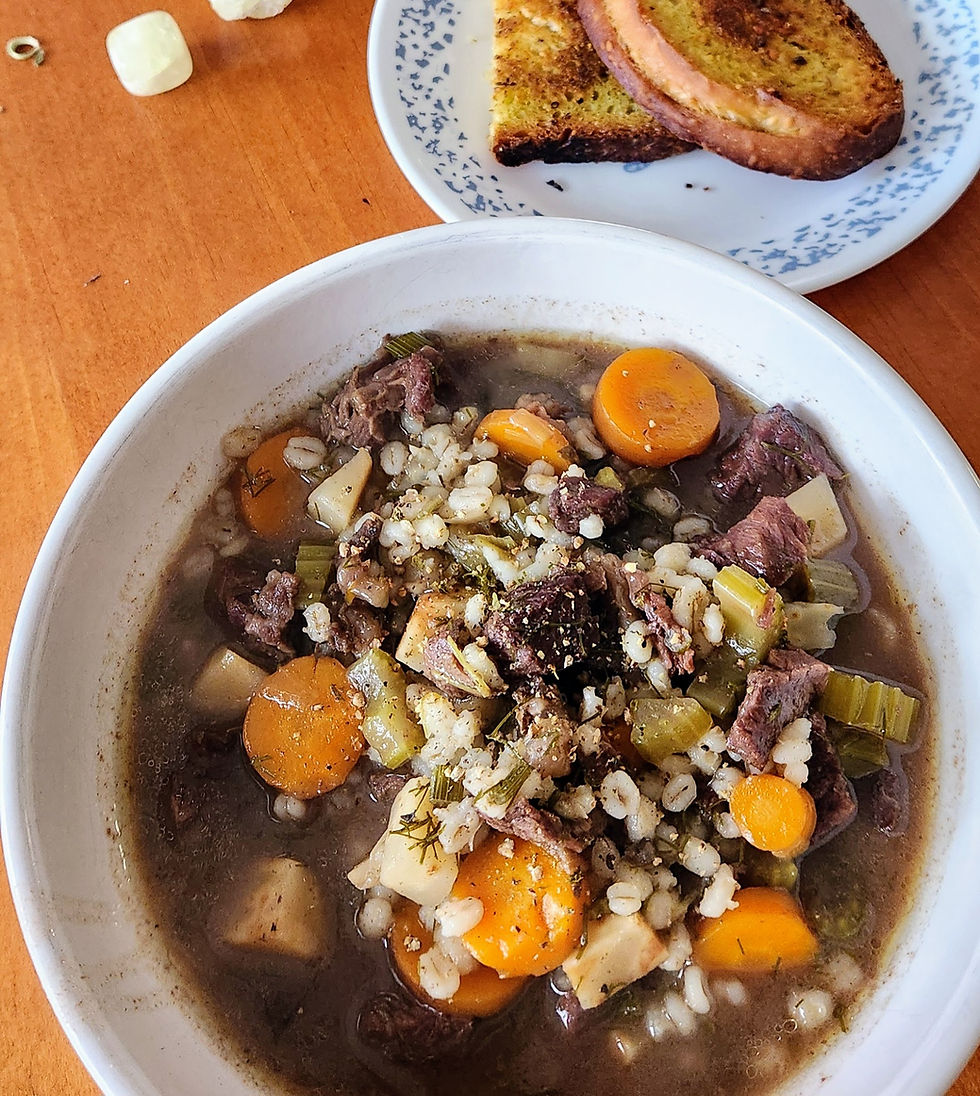
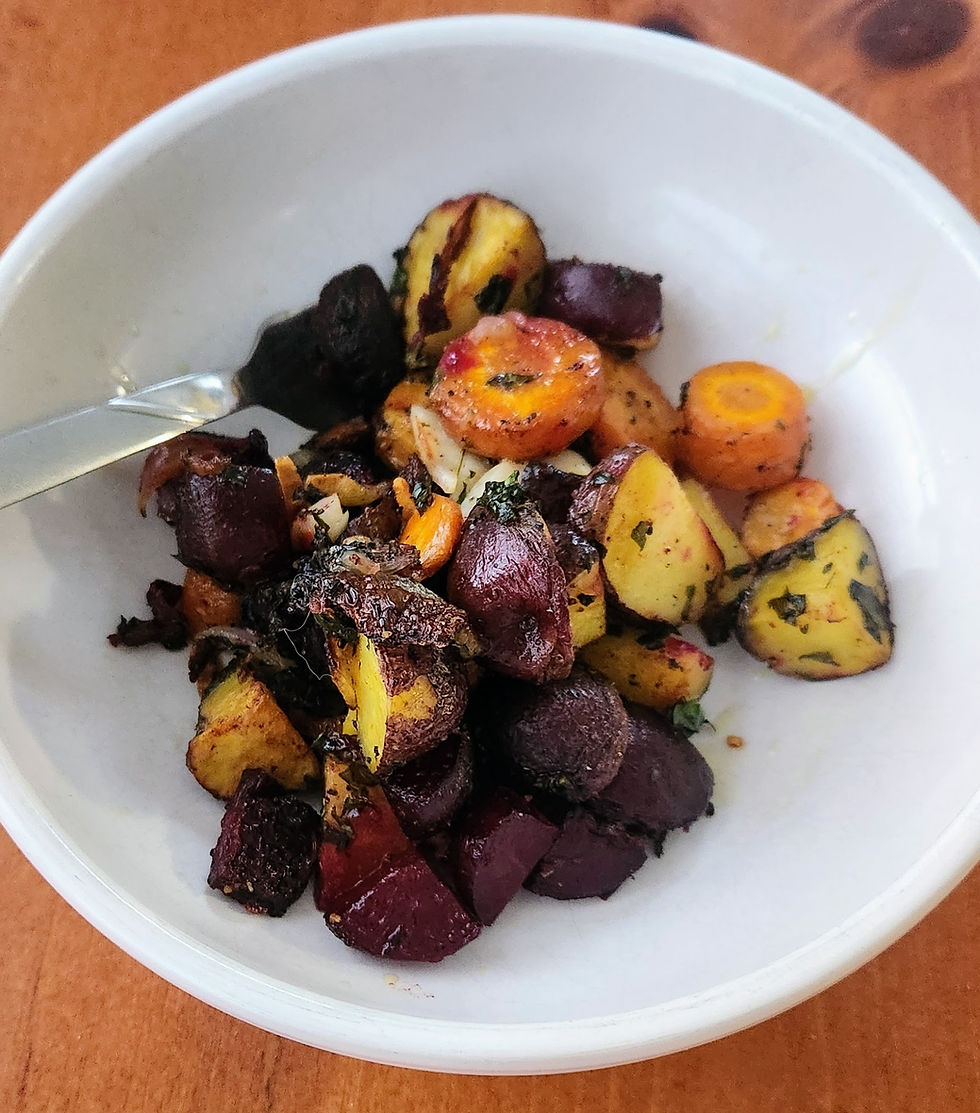
Roast carrots with cumin and coriander, blend them into soup, add them to kitchari or stew, grate them into fritters, or simmer them into tomato and vegetable sauces. Pair them with ginger, fennel, dill, cardamom, citrus, lentils, chickpeas, and leafy greens.
Explore recipes with
Carrots










How This Food Supports the Body
These functional categories highlight the primary ways this food or herb supports balance in the body. In Ayurveda, foods are not only nourishment — they also have specific actions that can influence digestion, the nervous system, hormones, immunity, and more.