
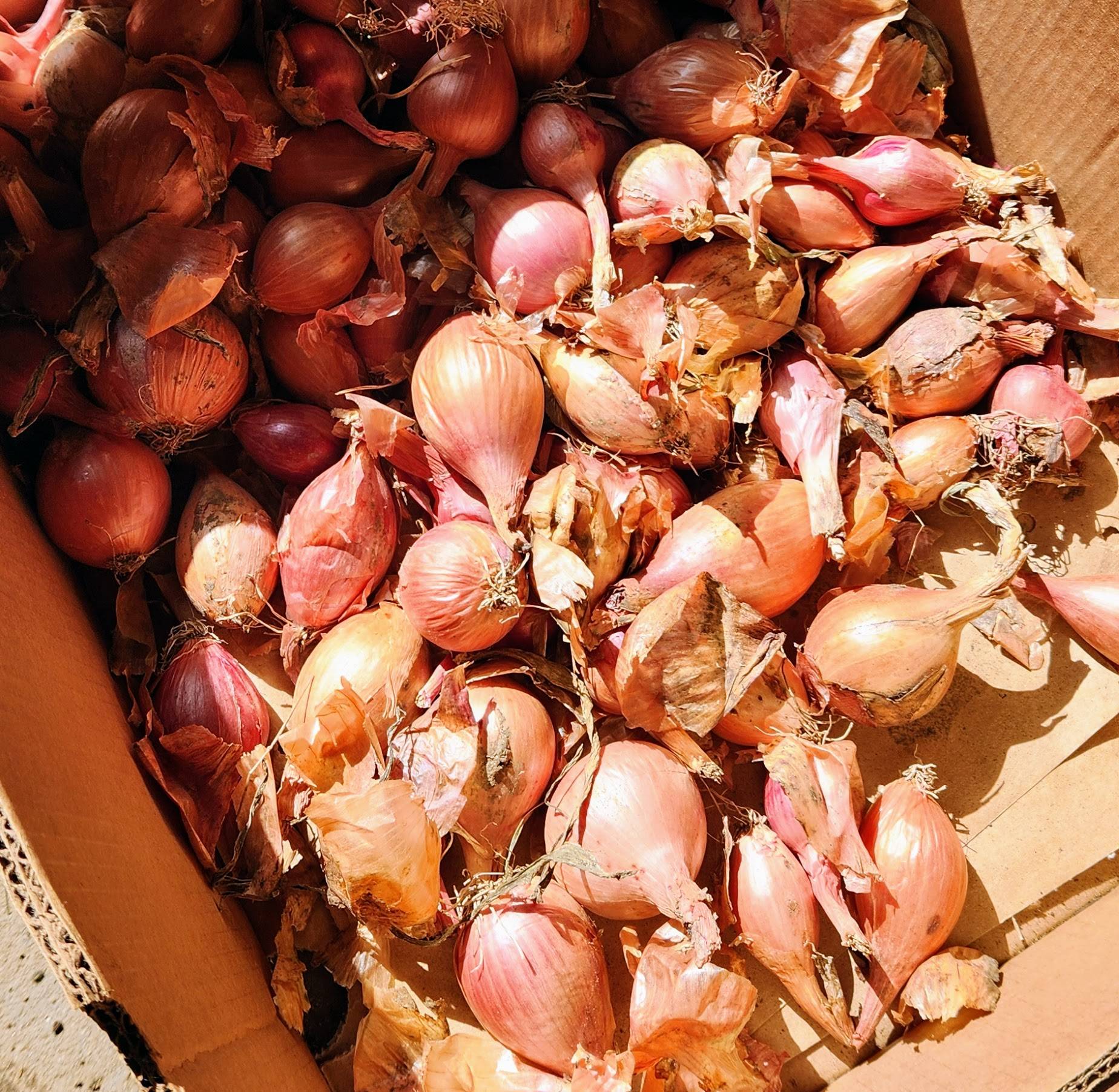
Shallot
Shallot: The Quiet Heat of the Allium Family
Shallot sits between onion and garlic — related to both, but gentler than either. Its flavor is warm and slightly sweet when raw, and it softens into something almost mild and savory when cooked. That quality of transformation is part of what makes it so useful in the kitchen, and in Ayurveda.
Like its allium relatives, shallot is primarily pungent in taste, with a secondary sweetness that emerges with cooking, and a subtle bitter undertone. Its qualities are light, sharp, oily, and heating — though less intensely heating than garlic, and less drying than raw onion.
Its warming nature pacifies Kapha, cutting through heaviness and supporting circulation. When cooked gently in ghee or oil, it also offers grounding warmth for Vata. Because it is considered somewhat gentler than garlic or raw onion, it is better tolerated by more constitutions — though those with elevated Pitta — heat, inflammation, or a tendency toward acidity — may still want to use it modestly or avoid it during Pitta aggravation.
Like all alliums, shallot has a rajasic quality in Ayurveda — stimulating and activating. Traditional texts sometimes advise limiting alliums for those in meditation practice or during times of rest and recovery. In everyday seasonal cooking, this is more of a note to hold lightly than a hard rule. Cooked shallot, used as a flavor base rather than as the main event, carries very little of that edge.
From a modern perspective, shallots are a good source of quercetin and other flavonoids, and they share the organosulfur compounds found across the allium family, which support immune resilience and cardiovascular health. The sweeter, more concentrated flavor compared to onion also means you tend to use less, which the body appreciates.
When the allium family grows in your garden, shallot is the one worth knowing well. It earns its place not by being the loudest flavor, but by being reliably useful — warming without overwhelming, present without dominating.
Traditional Combinations
Shallot pairs beautifully with ghee, butter, or olive oil as a cooking base. It complements ginger, turmeric, coriander, cumin, black pepper, fresh herbs, root vegetables, leafy greens, lentils, eggs, and bone broth. It is a natural base for soups, braises, and slow-cooked dishes where a gentle allium sweetness is welcome without raw sharpness.
Kitchen Use
Slice and soften in ghee over medium-low heat until translucent and sweet before adding other aromatics. Whole roasted shallots are one of the simplest pleasures of fall cooking — caramelized, tender, and deeply savory. Quick-pickled shallots brighten grain bowls and salads. Thinly sliced and slowly cooked in oil until golden and crisp, they become a finishing garnish that adds texture and warmth to soups and rice dishes.
Storage
Cured shallots keep for several months in a cool, dark, well-ventilated spot — one of the great gifts of the allium family for a homestead kitchen. Once cut, refrigerate and use within a few days. Peel and freeze whole or chopped for soups and braises. Dehydrate sliced shallots for a pantry staple that reconstitutes beautifully in cooked dishes.
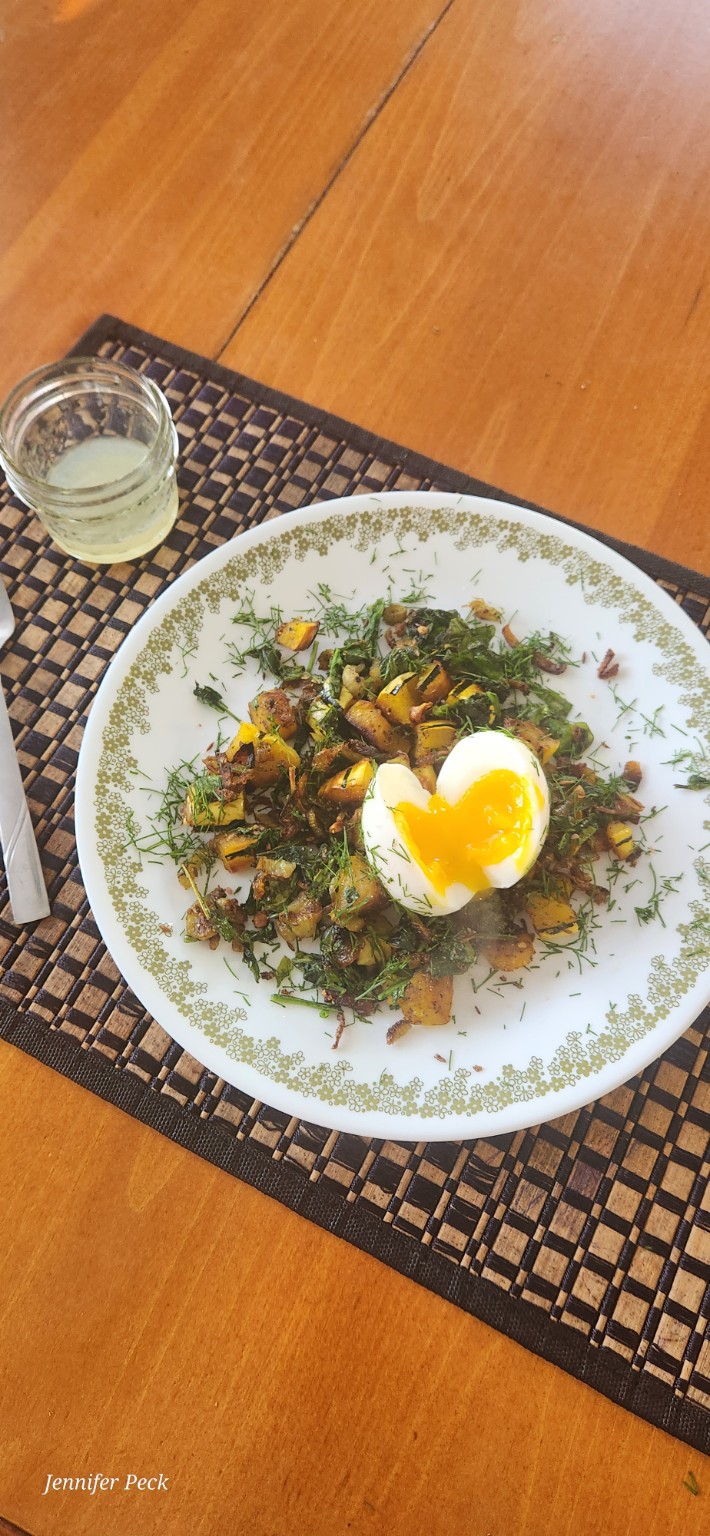
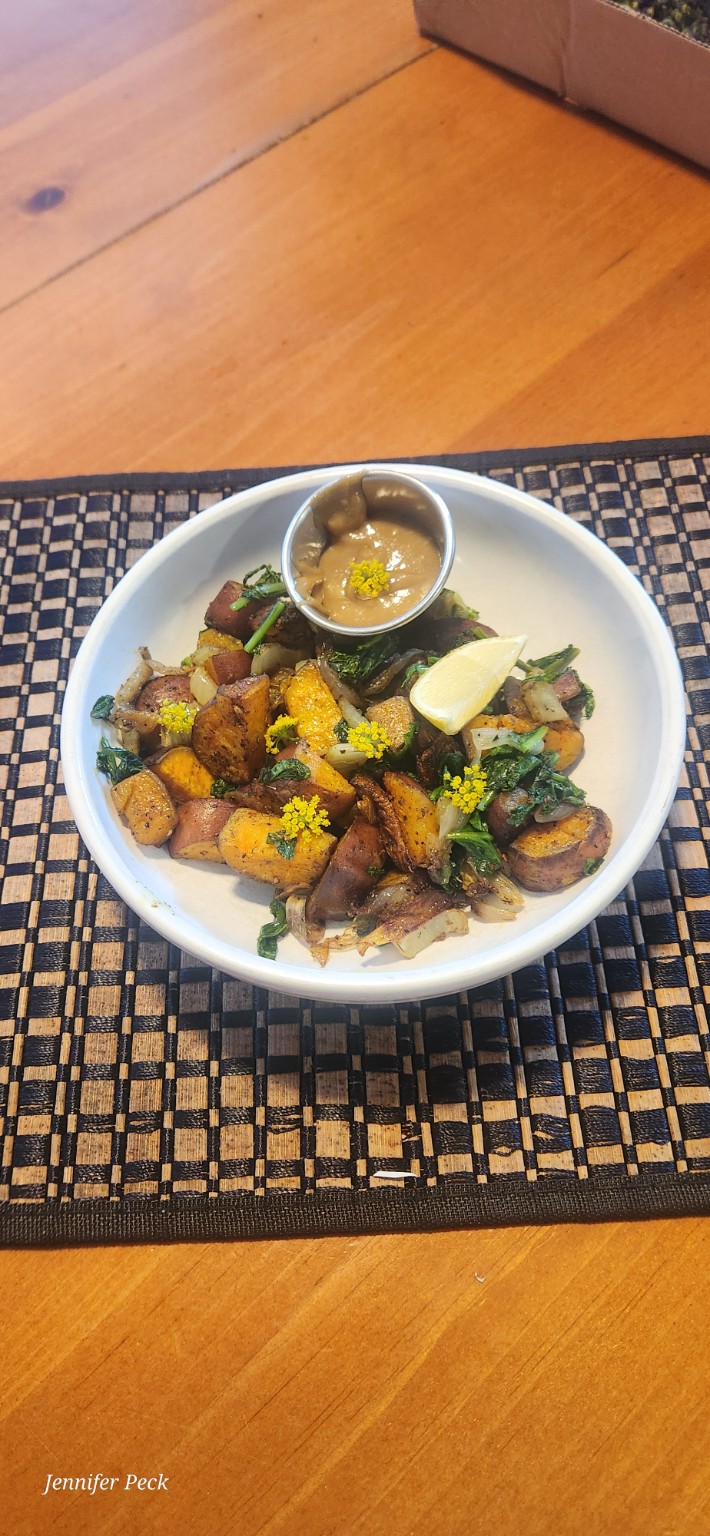
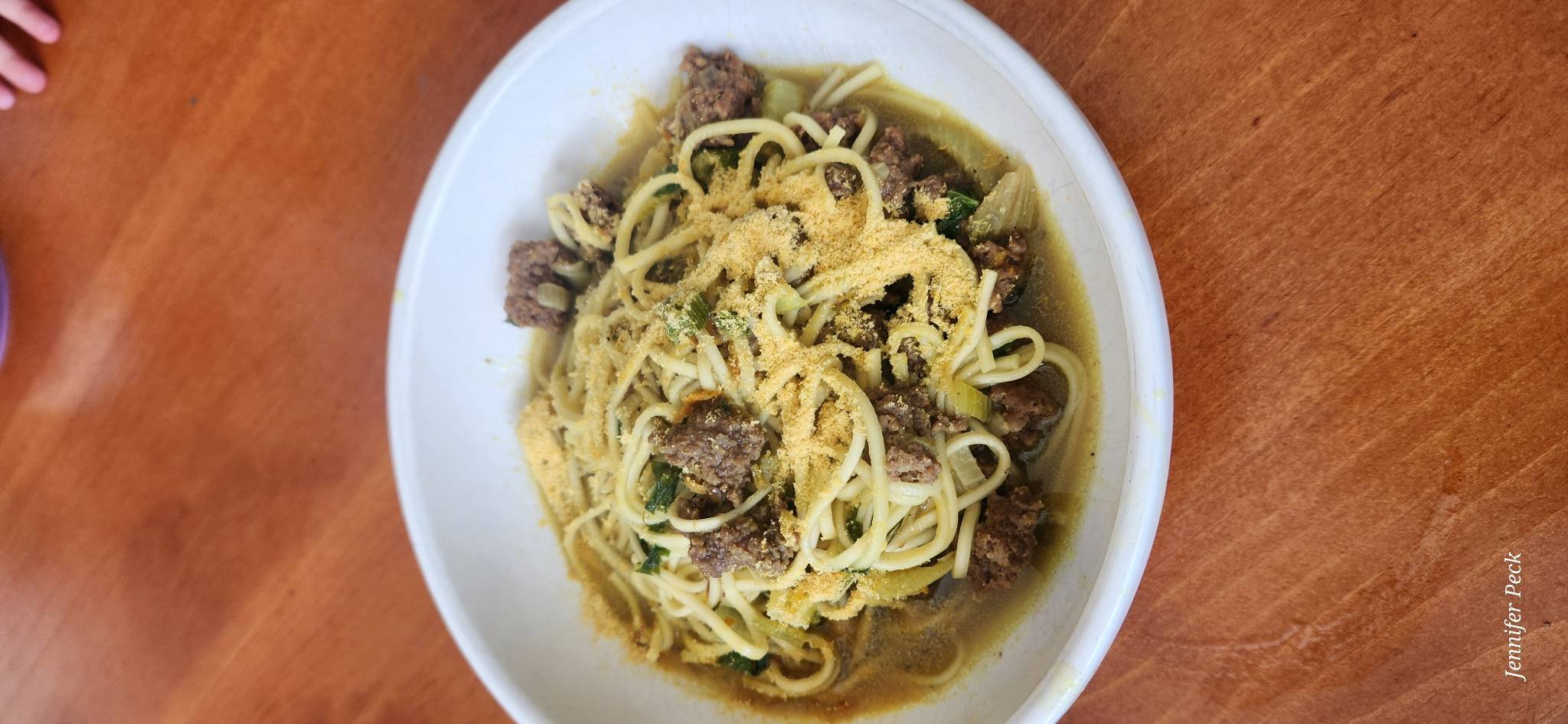
Explore recipes with
Shallot
How This Food Supports the Body
These functional categories highlight the primary ways this food or herb supports balance in the body. In Ayurveda, foods are not only nourishment — they also have specific actions that can influence digestion, the nervous system, hormones, immunity, and more.