
The Ayurvedic Tastes of Spring: How Food Restores Seasonal Balance

Updated: May 11

Spring has finally arrived.
After a long winter of heavier foods, colder temperatures, and quieter days, the earth begins to wake up again. The snow melts, the soil softens, and small green shoots begin pushing through the ground. Nature is stirring.
Our bodies are doing the same.
Yet many people notice something interesting during this transition. Instead of feeling energized by the arrival of spring, they feel sluggish, congested, heavy, or foggy. Allergies flare, digestion slows, and energy can dip.
According to Ayurveda, this isn’t random. It’s seasonal physiology.
During winter, the body naturally accumulates the qualities of Kapha dosha — heavy, cold, moist, and stable. When spring arrives and temperatures begin to warm, this accumulated Kapha begins to melt and move through the body.
This is why spring is traditionally the season for lightening, awakening, and clearing.
One of the most powerful ways Ayurveda supports this transition is through food — specifically through emphasizing the tastes that help restore balance during this season.
Signs Your Body Is Transitioning Into Spring
Many of the common symptoms people experience in early spring are simply signs of seasonal Kapha moving through the body.
You may notice:
heaviness or sluggishness
increased mucus or congestion
seasonal allergies
slower digestion
fatigue or brain fog
water retention
feeling unmotivated or sleepy
Ayurveda views these symptoms not as problems, but as natural seasonal shifts that can be supported through diet, lifestyle, and movement.
The key is adjusting our food choices to align with what the body needs during this time of year.
The Three Tastes of Spring
Ayurveda teaches that each food carries one or more of the six tastes (rasas), and these tastes influence the qualities within the body.
In spring, the tastes that help balance Kapha are:
Bitter
Pungent
Astringent
These tastes naturally lighten, dry, and stimulate the body, helping counteract the heaviness and moisture of winter accumulation.
Bitter: Nature's Seasonal Cleanser
Bitter foods are some of the most powerful foods for spring.
They support the liver, stimulate digestion, and help clear stagnation that may have built up during winter months.
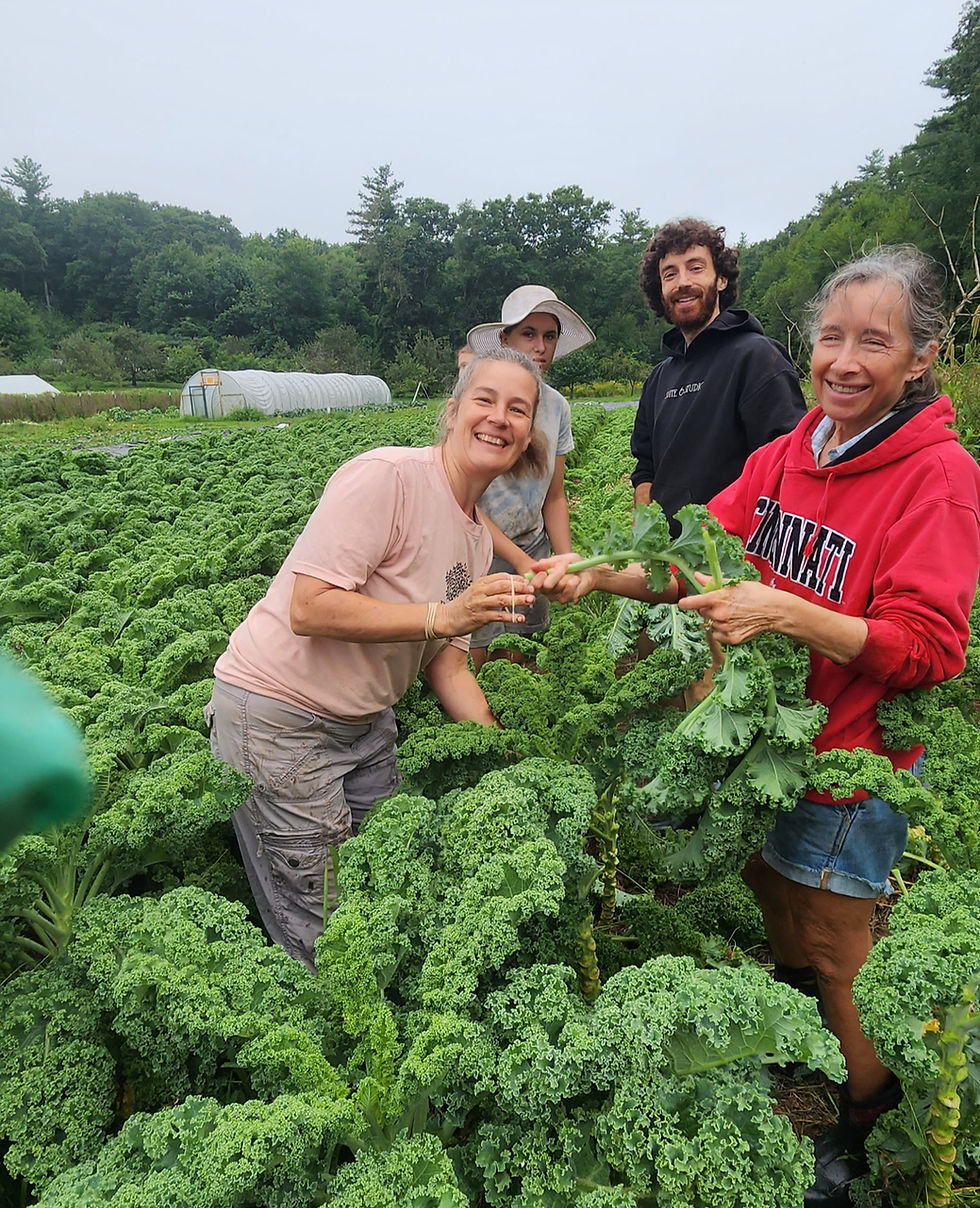
Many of the first wild greens that emerge in early spring are naturally bitter — a beautiful example of nature providing exactly what the body needs during this time.
Examples of bitter foods include:
dandelion greens
turmeric
bitter melon
Bitter foods help:
support liver detoxification
purify the blood
reduce excess heat and inflammation
stimulate digestion
Pungent: Igniting Digestive Fire

Pungent foods bring warmth and stimulation to the digestive system.
After winter's heavier meals, the digestive fire (agni) can sometimes feel dull or sluggish. Pungent foods help rekindle this digestive energy while also helping move congestion from the body.
Examples of pungent foods include:
Pungent foods help:
stimulate digestion
increase circulation
clear mucus
support metabolism
Astringent: Lightening and Drying

Astringent foods have a drying and toning effect on the tissues.
This taste helps counteract the excess moisture and heaviness associated with Kapha season.
Examples include:
lentils
mung beans
cruciferous vegetables
pomegranate
green tea
Astringent foods help:
tone tissues
reduce excess fluid
support digestion
stabilize blood sugar
Food is only one part of aligning with the season. In my companion article Ayurvedic Spring Routine: Lifestyle Shifts to Balance Kapha Season, I share simple daily practices—like movement, dry brushing, yoga, and time in nature—that help the body release winter stagnation and transition into the energy of spring.
Bridging Ayurveda and Modern Nutrition
One of the things I love most about Ayurveda is how beautifully it aligns with modern nutritional science.
Many of the foods Ayurveda recommends in spring are also foods that modern research associates with liver support, improved digestion, and metabolic health.
Bitter greens support detoxification pathways in the liver.
Pungent spices like ginger and black pepper stimulate digestive enzymes and circulation.
Astringent foods like legumes and cruciferous vegetables provide fiber that supports the gut microbiome and healthy metabolism.
In this way, Ayurveda and modern nutrition are not in conflict — they are simply different languages describing the same wisdom.
Supporting the Body Through the Spring Transition
Food is one of the most powerful tools for supporting seasonal balance, but Ayurveda also encourages lifestyle practices that help the body transition from winter into spring.
This is a wonderful time to:
increase daily movement
practice gentle yoga to awaken the body after winter
enjoy longer walks in nature
incorporate warming spices into meals
eat lighter, seasonal foods
wake the body gently with morning routines
At my Treehouse Studio, spring is also a beautiful time to support the body with treatments that stimulate circulation and lymphatic movement.
Seasonal treatments may include:
Mukha Abhyanga – a nourishing Ayurvedic facial massage that supports circulation, lymphatic movement, and relaxation
Garshana Padabhyanga – an invigorating dry brushing and oil foot treatment that stimulates circulation and helps awaken the body after winter
Garshana (Ayurvedic dry brushing therapy)
Spring Abhyanga (warm herbal oil massage)
Nasya to support sinus and respiratory health
These therapies help the body release winter stagnation while restoring energy and clarity.
Simple Spring Recipes to Try
If you'd like more ideas for cooking with these seasonal tastes, you can explore many dishes in my Ayurvedic recipe collection and browse ingredients by taste in the Ayurvedic Food Database on my website. Both are designed to help you bring Ayurvedic principles into your everyday kitchen in a practical and delicious way.
Here are a few simple ways to begin incorporating the tastes of spring into your kitchen.
Spring Greens Sauté
Sauté bitter greens like kale, dandelion greens, or mustard greens in ghee with fresh ginger, cumin, and garlic. Finish with a squeeze of lemon and a pinch of Pink Himalayan salt.
Kapha-Balancing Mung Soup
A light soup made with mung beans, turmeric, ginger, cumin, coriander, and seasonal vegetables supports digestion while gently cleansing the body.
Tulsi Liver Tonic Tea
A warming tea made with tulsi, fennel, coriander, cumin, licorice root, and cardamom supports digestion and liver health during the spring transition.
Eating With the Seasons
Seasonal eating is one of the most powerful principles of Ayurveda.
When we align our food choices with nature's rhythms, we support the body's natural intelligence and make it easier to maintain balance throughout the year.

Spring invites us to lighten, awaken, and refresh.
By incorporating bitter greens, warming spices, and lighter foods into our kitchens, we can support the body in moving gracefully from the stillness of winter into the vitality of the warmer months ahead.
Supporting local farms is also a beautiful way to practice seasonal eating. Many Hands Organic Farm offers a summer CSA share, and Treehouse Studio serves as a Monday pickup location from 3–7 PM during the growing season—an easy way to bring fresh, organically grown vegetables into your kitchen while supporting local agriculture.
If you are exploring herbs that support the tastes of spring, I often recommend browsing the selection at Banyan Botanicals. They offer many herbs with bitter, pungent, and astringent qualities that can support seasonal balance. As an affiliate, purchases made through my Banyan links help support the free education I share here through blogs, recipes, and the Ayurvedic Food Database.
Continue Exploring
If you'd like to explore seasonal Ayurveda further, you may enjoy:
This article is intended for educational purposes and should not replace medical care or professional medical advice.



Comments