

Chard

Chard: Two Vegetables in One
Chard is one of those generous vegetables that feels both cleansing and nourishing at the same time. Its tender leaves carry a mild earthy bitterness, while its colorful stems offer sweetness, texture, and substance. Together, they make chard remarkably versatile—and a wonderful reminder that this plant gives us two vegetables in one.
In Ayurveda, the bitter and astringent tastes of leafy greens help clear heaviness, stagnation, and excess heat. This makes chard especially supportive for Pitta and Kapha, particularly during spring and early summer or whenever the body is asking for something lighter. Its naturally light, drying, and fibrous qualities may feel less balancing for Vata, especially when eaten raw or in large quantities.
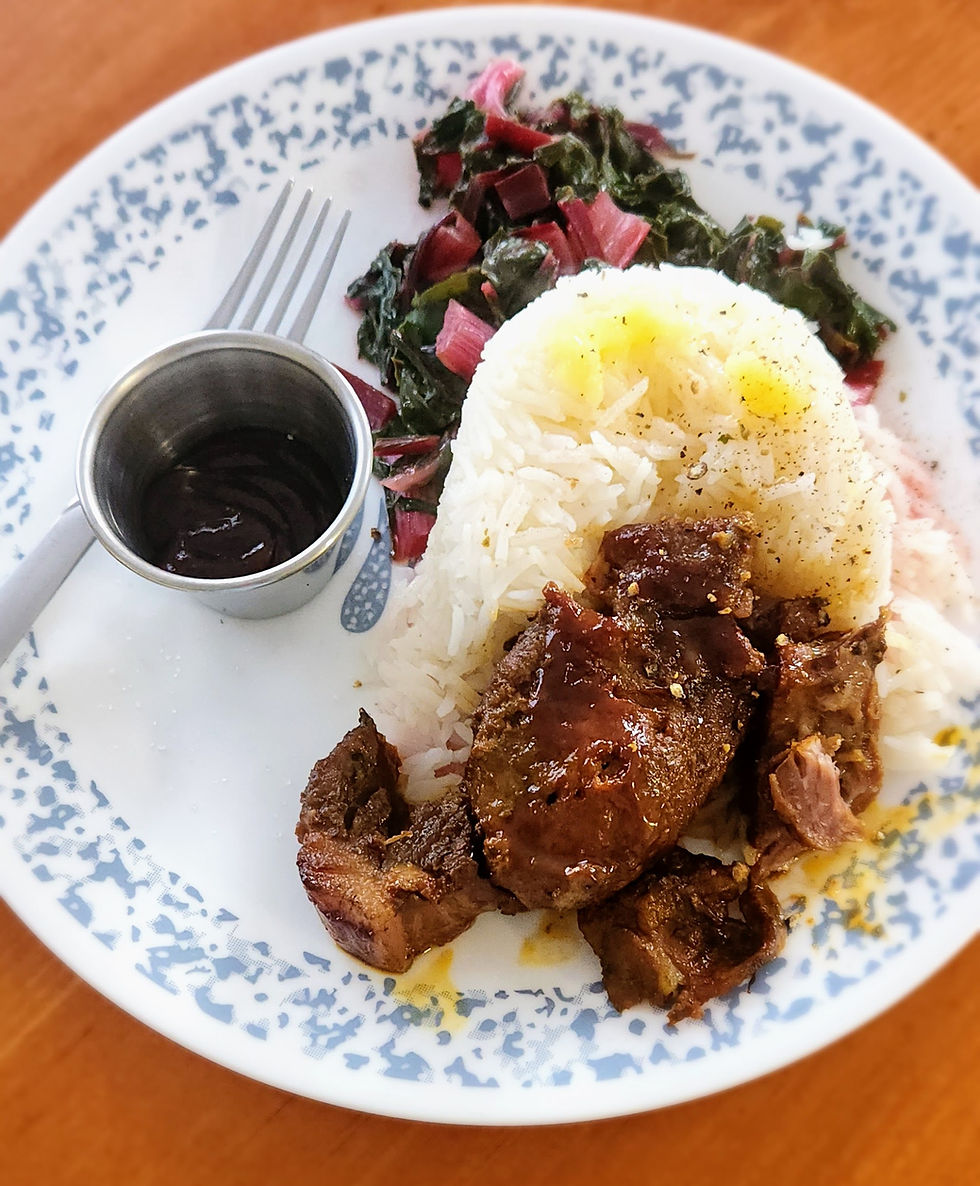
Preparation changes everything. Cooking softens chard’s fibers, brings out the gentle sweetness of the stems, and makes the entire vegetable more comforting and digestible. Ghee or olive oil adds needed moisture, while spices such as cumin, coriander, mustard seed, ginger, garlic, or black pepper help support digestion. A splash of lemon added at the end can brighten its earthy flavor.
The leaves and stems can be cooked together, but they benefit from different timing. Chop the stems and begin cooking them first, much as you would celery, then add the leaves once the stems have started to soften. The stems can also be saved and used separately in soups, vegetable hashes, egg dishes, stir-fries, sauces, beans, or anywhere a tender celery-like vegetable would be welcome. They are not scraps—they are food.
From a Western nutritional perspective, chard provides fiber along with vitamin K, magnesium, potassium, and a variety of antioxidant plant compounds. Its combination of leaves and stems adds color, texture, and plant diversity to meals, while its mild flavor makes it approachable for people who find some darker greens too strong or bitter.
Chard works beautifully in soups, lentil and bean dishes, egg scrambles, frittatas, pasta, grain bowls, curries, and simple vegetable sautés. One bunch can easily move through several meals: the leaves might be wilted into dinner while the stems are saved for the following day’s soup. Chard invites us to see abundance differently—not as too much food, but as one generous plant offering many possibilities.
Storage Tips
Freshly harvested chard is best used while the leaves are still lively and the stems are firm, but it can keep well in the refrigerator when protected from excess moisture and drying air.
For an intact bunch, leave the chard unwashed and refrigerate it loosely wrapped in a clean towel or stored in a breathable produce bag. Avoid packing it tightly, which can trap moisture and encourage the leaves to deteriorate.
If you prefer to wash your greens soon after harvest, rinse the chard well and dry it thoroughly in a salad spinner. Store the dried leaves and stems in a towel-lined container or mason jar in the refrigerator. Removing as much surface moisture as possible helps prevent sliminess.
The leaves and stems may also be separated before storing. This can be useful when you plan to cook them differently or use them in separate meals. The sturdy stems often remain usable even after the leaves begin to soften.
Slightly wilted chard can often be revived by trimming the stem ends and standing the bunch briefly in cool water before cooking. Chard that is no longer crisp may still be perfectly useful in soups, stews, sauces, or other cooked dishes.
Preservation Tips
Blanching and freezing is one of the most dependable ways to preserve an abundant chard harvest. Because the stems are thicker than the leaves, separate them before blanching and give the stems a little more time to soften. Cool the blanched chard promptly, drain it thoroughly, and freeze it in meal-sized portions.
Frozen chard is best used in cooked dishes where a softer texture is welcome, including soups, stews, curries, pasta sauces, beans, grain bowls, egg dishes, and vegetable sautés. Chopped stems can also be frozen separately and kept as a ready-to-use soup vegetable in place of celery.
Chard leaves dehydrate well when they are clean, dry, and arranged in a single layer. Once fully crisp, the leaves can be crumbled into soups and broths or ground into a green powder for sauces, savory seasonings, eggs, grains, and winter meals. Thick stems are generally more useful frozen or cooked into recipes than dehydrated, although thinly sliced stems may be dried for broth blends.
Another convenient option is to lightly sauté the stems and leaves before freezing. Portion the cooked chard into small containers or freezer packs so it can be added directly to quick meals later.
Whether frozen, dried, or cooked ahead, preserving chard allows both the leaves and stems to continue nourishing the kitchen long after the garden harvest has passed.
Explore recipes with
Chard


.jpg)


How This Food Supports the Body
These functional categories highlight the primary ways this food or herb supports balance in the body. In Ayurveda, foods are not only nourishment — they also have specific actions that can influence digestion, the nervous system, hormones, immunity, and more.