

Oregano
Oregano: The Wild Kitchen Herb That Warms and Awakens
Oregano carries a bold earthy aroma and naturally warming energy that instantly brings depth and vitality to food. Its pungent and bitter tastes, along with its light, dry, and sharp qualities, help stimulate sluggish digestion, awaken appetite, and bring movement to heavy or stagnant meals. This makes oregano especially supportive for reducing excess Kapha, while its warming nature can also gently support cold or sluggish forms of Vata when used thoughtfully.
Although often associated with Mediterranean cooking, oregano works beautifully in all kinds of seasonal kitchen preparations. Fresh oregano offers a greener, more vibrant flavor while dried oregano becomes deeper, earthier, and more concentrated. Even a small amount can transform soups, beans, tomato sauces, roasted vegetables, broths, marinades, and grain dishes into something far more alive and satisfying.
Because oregano is naturally warming and drying, excessive use may aggravate Pitta, especially during intense summer heat or in very spicy meals. Pairing it with olive oil, cooling vegetables, broth, or fresh herbs helps create better balance. In colder seasons, however, oregano becomes especially comforting and supportive, adding warmth and digestive stimulation to heavier winter foods.
Beyond flavor, oregano has long been appreciated for its naturally supportive plant compounds associated with immune, respiratory, and digestive health. It is rich in antioxidants and aromatic oils that give the herb both its powerful fragrance and its traditional reputation as a protective kitchen ally.
JenZen Kitchen Note
Oregano is one of those herbs that instantly makes a kitchen smell alive. During summer and early fall, I often dry large bunches from the garden to carry that warmth and flavor into winter soups, sauces, and brothy meals. Even a pinch transforms simple food into something deeply comforting and nourishing.
Storage
Fresh oregano stores best:
Wrapped lightly in a towel in the refrigerator
Stored upright in a jar with a small amount of water
Or loosely sealed in a container with airflow
Avoid trapping excessive moisture, which encourages spoilage.
Dried oregano should be stored:
In airtight glass jars
Away from heat and direct sunlight
In a cool dark pantry for best flavor retention
Preparation
Use fresh in soups, salads, marinades, dressings, and finishing dishes
Add dried oregano to tomato sauces, beans, roasted vegetables, and broths
Pair beautifully with olive oil, garlic, lemon, potatoes, beans, and grains
Crush dried oregano between fingers before adding to release aromatic oils
Add fresh oregano near the end of cooking for brighter flavor
A little goes a long way, especially when dried.
Preservation
Oregano preserves exceptionally well.
Hang dry in bundles
Dehydrate leaves for long-term storage
Freeze chopped oregano in olive oil cubes
Blend into herb salts or seasoning mixes
Infuse into oils or vinegars
Drying oregano often intensifies and deepens its flavor beautifully.
How to Use the Abundance
Dry large bundles for year-round seasoning
Blend into homemade Italian-style seasoning mixes
Add generously to soups and broths
Use in tomato sauces and pasta dishes
Sprinkle over roasted vegetables
Add to beans and lentils for digestive support
Blend into salad dressings or marinades
Infuse olive oil with oregano and garlic
Add to homemade crackers or flatbreads
Mix into compound butter or savory yogurt sauces
Fresh oregano can also be tucked into bouquets of herbs for soup stock and broth making.
Explore recipes with
Oregano
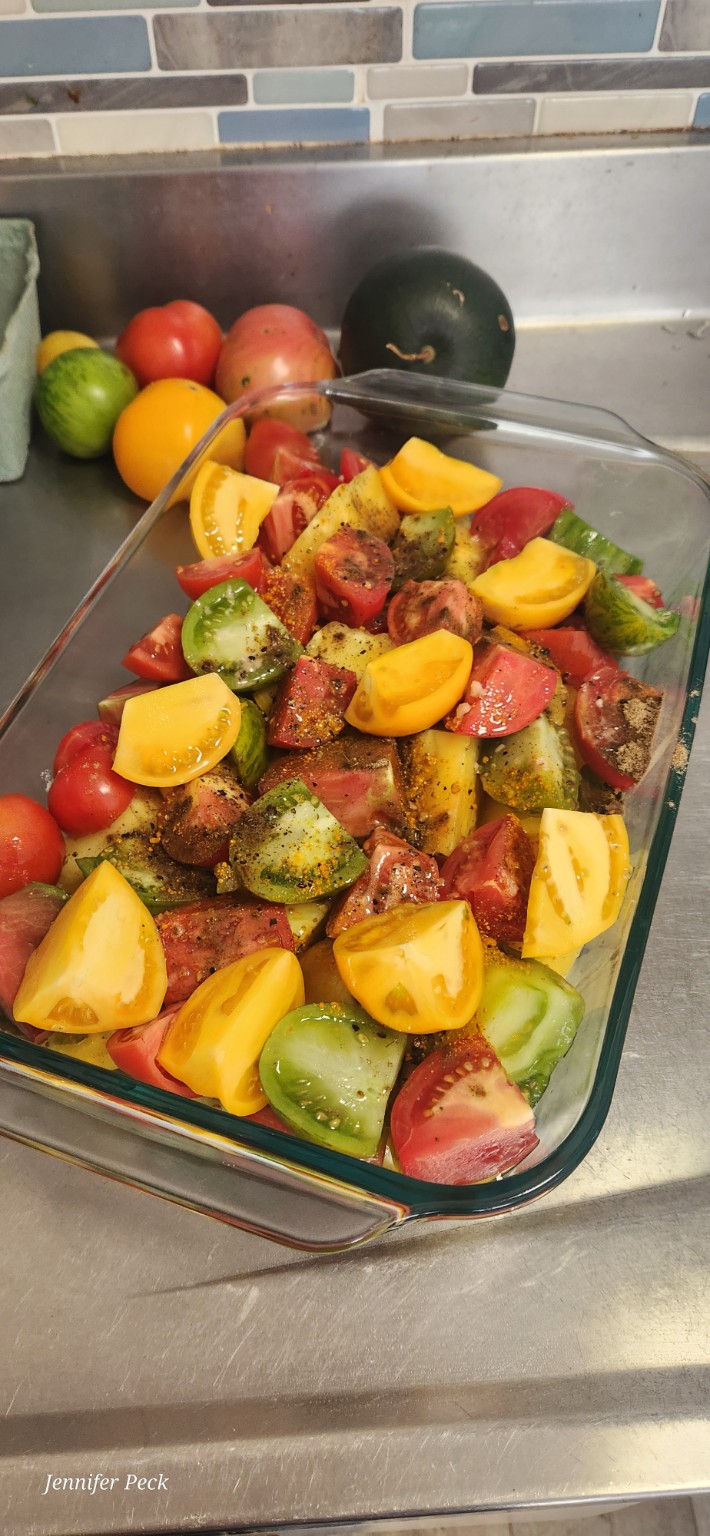


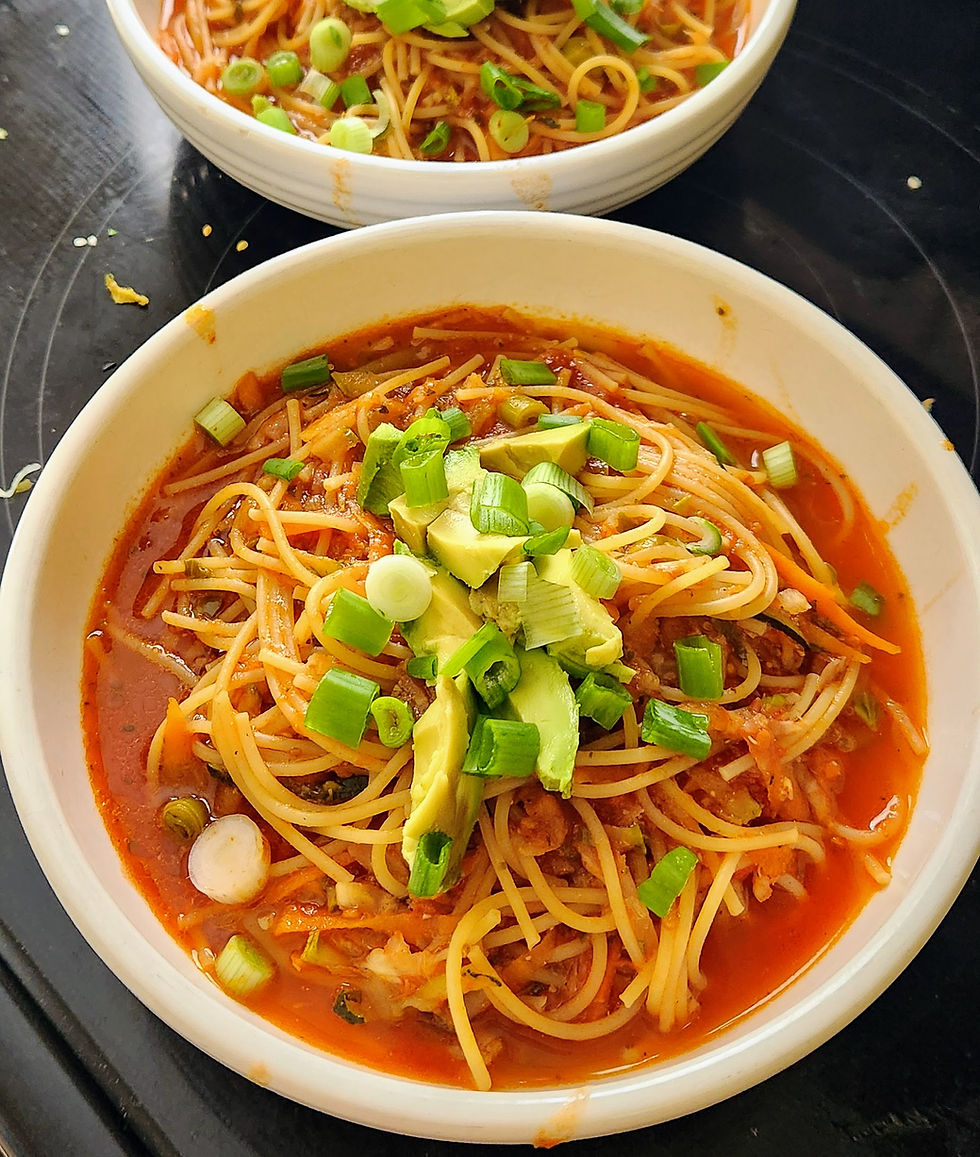


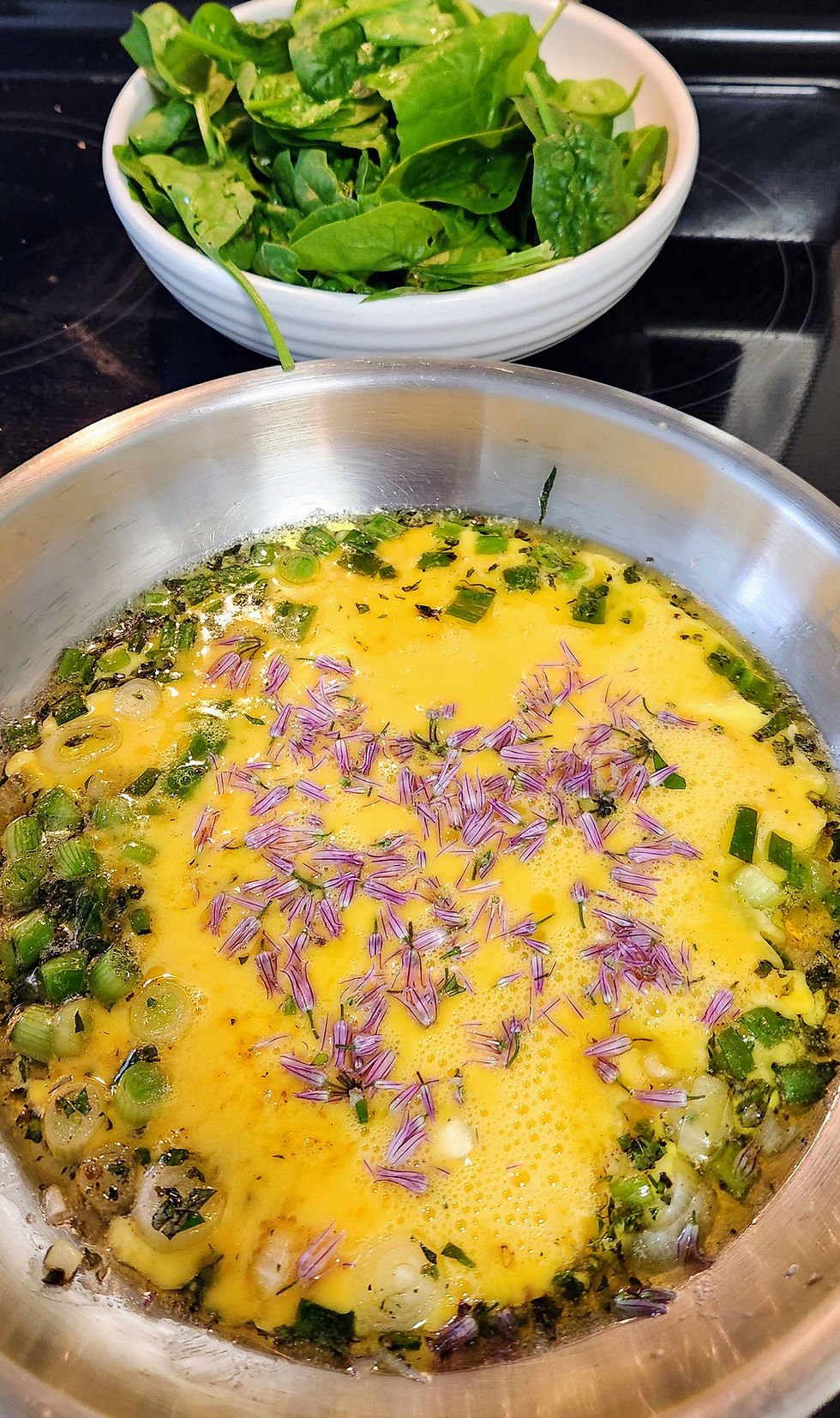.jpg)
How This Food Supports the Body
These functional categories highlight the primary ways this food or herb supports balance in the body. In Ayurveda, foods are not only nourishment — they also have specific actions that can influence digestion, the nervous system, hormones, immunity, and more.