

Tahini
Tahini: Grounding Sesame Nourishment
Ayurvedic Perspective
Tahini is a paste made from ground sesame seeds, so it carries many of sesame’s classic Ayurvedic qualities in a concentrated, easy-to-use form. It is predominantly sweet with subtle bitter and astringent notes, and is heavy, oily, nourishing, and warming. These qualities can be especially grounding for Vata, particularly when dryness, coldness, or depletion are present.
Because tahini is dense and rich, quantity matters. Larger portions may feel too heavy for Kapha or too heating for Pitta, especially in warm weather or when digestion is sluggish. Pairing tahini with lemon or lime, fresh herbs, ginger, cumin, coriander, or warm vegetables can make it feel brighter and easier to integrate into a meal.
Is Tahini Easy to Digest?
Tahini can be easier to use than whole sesame seeds because the seeds are already ground, but it is still a concentrated, oily food. Small amounts blended into a dressing, sauce, hummus, or warm bowl are often more comfortable than a very large serving. Strong agni generally handles tahini well; weaker digestion may do better with thinner sauces, warming spices, and moderate portions.
Modern Nutrition
Tahini provides unsaturated fats, plant protein, and minerals such as copper and magnesium. Calcium content varies depending on whether the sesame seeds are hulled or unhulled. Because tahini is energy-dense, a modest amount can add richness, satisfaction, and staying power to a meal.
A Gentle Note
Tahini is made from sesame, a major food allergen in the United States. Anyone with a known sesame allergy should avoid tahini and other sesame-derived foods.
Storage
Store tahini tightly covered in a cool place according to the manufacturer’s instructions. Refrigeration can help protect freshness after opening, although natural separation is normal. Stir the oil back in before using.
Preparation
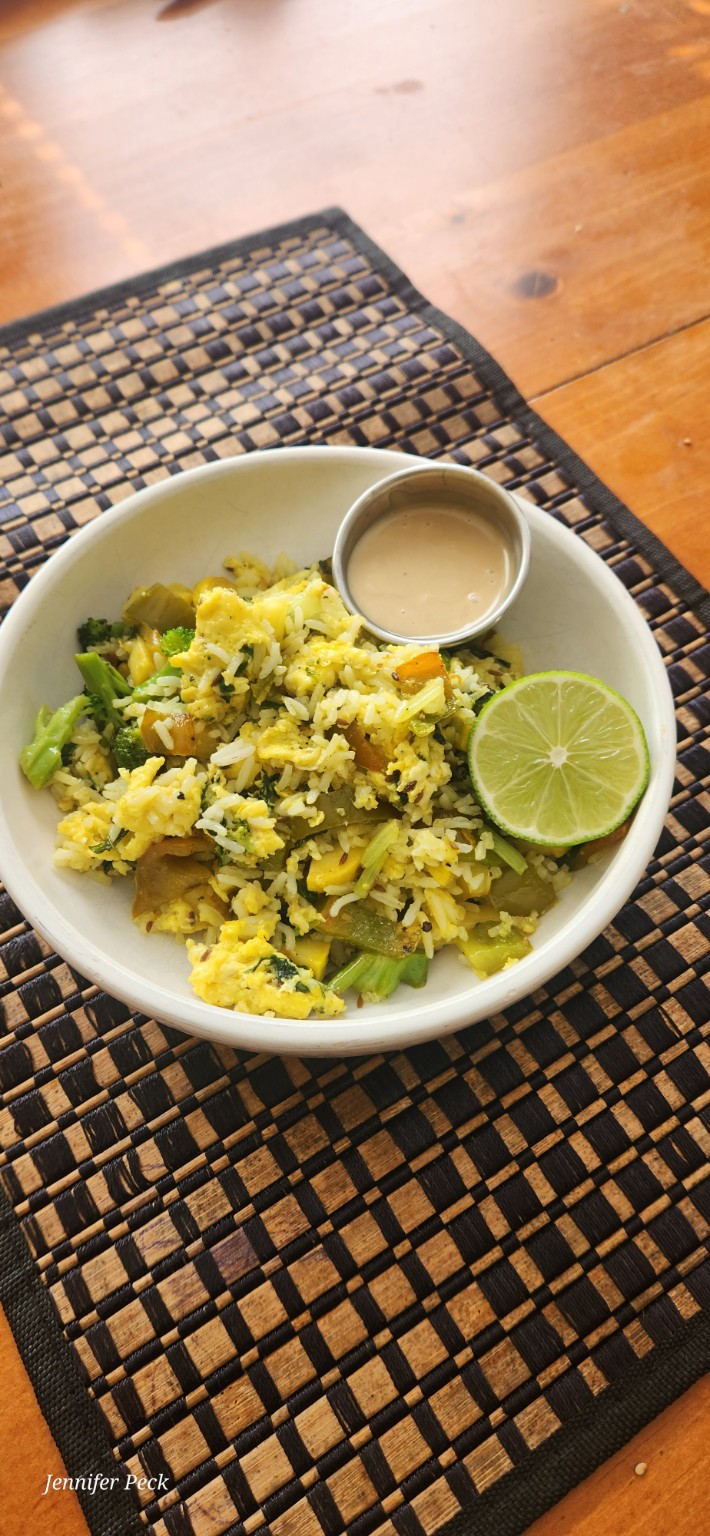
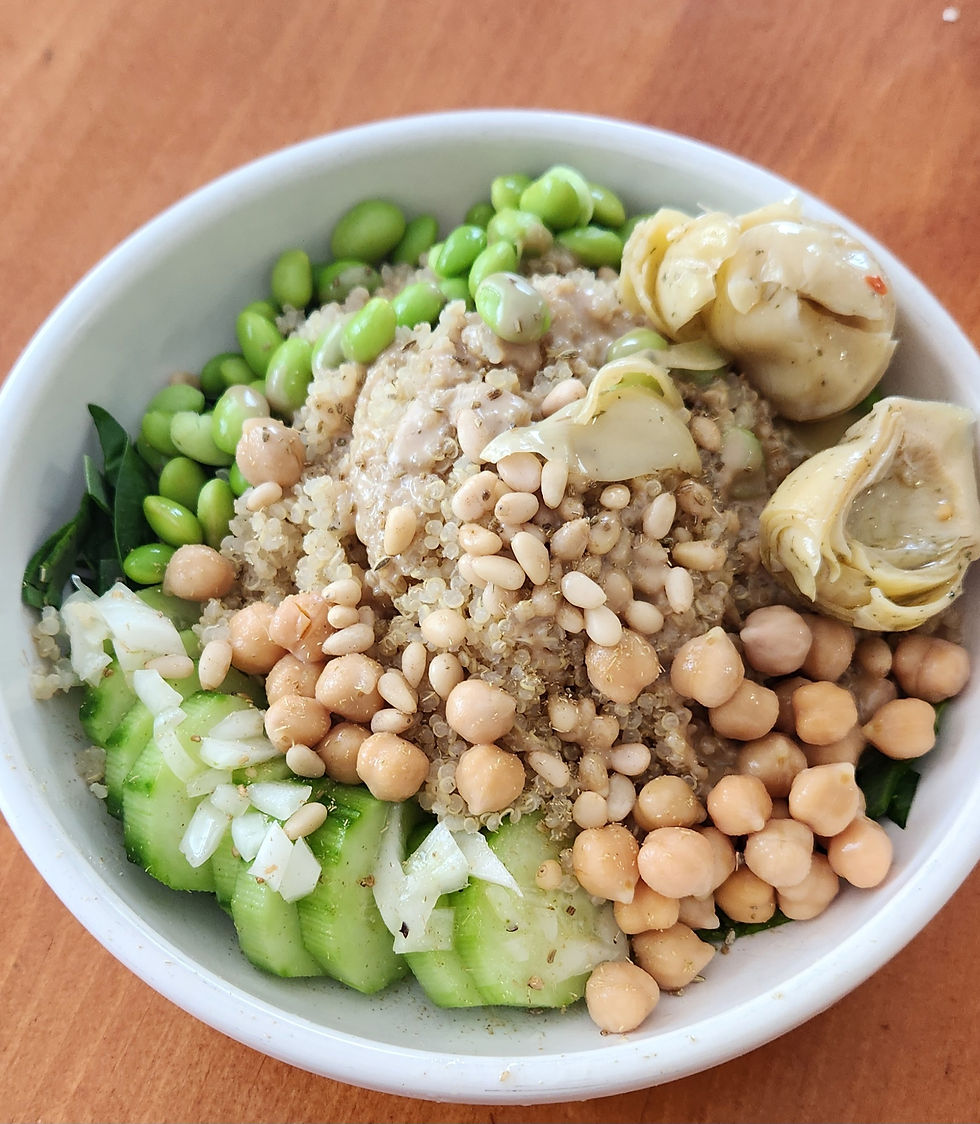
Whisk tahini with warm water, lemon or lime, and digestive spices to make a creamy dressing or sauce. It also works beautifully in hummus, grain or vegetable bowls, roasted vegetables, and warm savory dishes.
Traditional & Practical Combinations
• Tahini + lemon or lime — brightens the richness and creates an easy dressing or sauce.
• Tahini + chickpeas — the classic foundation of hummus.
• Tahini + ginger, cumin, or coriander — digestive spices balance its heaviness and add warmth.
• Tahini + roasted vegetables or cooked greens — adds nourishing fat and a creamy counterpoint to lighter vegetables.
Explore recipes with
Tahini


.jpg)
.jpg)


How This Food Supports the Body
These functional categories highlight the primary ways this food or herb supports balance in the body. In Ayurveda, foods are not only nourishment — they also have specific actions that can influence digestion, the nervous system, hormones, immunity, and more.