
Fresh Herbs Are Food, Not Garnish: An Ayurvedic Guide to Using and Preserving Fresh Herbs
- Jennifer Peck

- 2 hours ago
- 13 min read
One day out in the field, we were talking about herbs—how at the farmers market, no one really buys them.
It struck me because, for me, herbs are one of the reasons I fell in love with Many Hands Organic Farm in the first place. They give out so many of them. Not just a token bunch, but generous handfuls of cilantro, dill, parsley, basil, summer savory, and whatever else is thriving that week.

At the farm, we also give out an abundance of beautiful lettuce.
I sometimes wonder what happens when all of it reaches home.
The lettuce may become a salad, while the cilantro, dill, parsley, or summer savory gets placed in the refrigerator with the best of intentions. A few sprigs are used, the rest slowly wilts, and a bottle of dressing is pulled from the refrigerator door.
And I think back to that conversation in the field—how herbs are often overlooked even though they are right there, fresh, vibrant, aromatic, and full of possibility.
This is funny to me because I use herbs in almost everything.
They find their way into my eggs, vegetables, soups, rice, dressings, dips, butter, tea, sauces, and whatever else I happen to be making.
In my kitchen, herbs are not a decorative afterthought scattered over the finished plate.
Fresh herbs are food, not garnish.
Ayurveda helps us understand why.
Food is more than calories, vitamins, protein, or carbohydrates. We experience food through its taste, qualities, temperature, aroma, how it affects our digestion, and ultimately how it makes us feel.
Herbs bring all of this to the meal.
They offer tastes and qualities that may be missing from an otherwise simple plate. They awaken our senses. They can support agni—our digestive capacity—and help us create greater balance in the foods we are already eating.
And yes, they make our food taste really good.
Ayurveda Begins With Taste
Ayurveda recognizes six tastes: sweet, sour, salty, bitter, pungent, and astringent.
Ideally, our meals contain a variety of them.
But the typical modern diet tends to lean heavily toward sweet, salty, and sour. Bitter and astringent tastes in particular can be much harder to find.
This is one reason herbs are such wonderful allies.
Not every herb is predominantly bitter. Cilantro has a different personality than sage. Mint feels very different from oregano. Fennel is not basil.
That is part of their beauty.
Collectively, culinary herbs offer an incredible range of bitter, pungent, astringent, sweet, cooling, warming, light, and aromatic qualities.
In Ayurveda, taste is not simply about whether something tastes good.
Rasa—taste—is information.
Taste begins communicating with the body the moment food enters the mouth. Aroma, sight, texture, and anticipation are part of the digestive experience as well.
Think about chopping a handful of fresh basil.
Or crushing mint between your fingers.
Or the scent of dill, cilantro, oregano, or tulsi released under the knife.
Your body is already engaging with the meal before you have taken the first bite.
Our Bitter Taste Is Often Missing
Bitter deserves a little extra attention because it is so frequently absent from the modern plate.
Ayurveda values bitter taste for its lightening, clearing qualities. In the right amount, it helps balance some of the heaviness that can accumulate when our diet is dominated by sweet, rich, salty, or oily foods.
Bitter foods and herbs also engage the digestive system.
Interestingly, modern physiology has discovered bitter-taste receptors not only on the tongue but throughout the gastrointestinal tract. These receptors participate in digestive signaling, including pathways involved in gastrointestinal hormones and motility.
For me, this is simply another beautiful reminder that taste matters.
For many people, coffee may be the most familiar bitter flavor they consume all day.
But bitterness does not have to come only from the morning cup.
A handful of herbs in our food gives us a much gentler and more varied way to bring bitter, pungent, aromatic, and astringent tastes back into everyday meals.
The Dressing Is Part of the Meal

This is where I keep thinking about all that beautiful farm lettuce.
From an Ayurvedic perspective, raw lettuce brings particular qualities to a meal. It is cooling, light, and somewhat rough in nature.
Although lettuce contains plenty of water, it does not offer the same grounding or lubricating quality as cooked vegetables, healthy fats, or warm foods. This is especially important to consider when the meal is already very light or when Vata is elevated.
That does not make salad “bad.”
It simply means we can think about what we pair with it.
A nourishing oil adds unctuousness and grounding.
A little sour taste can awaken the palate.
Salt helps soften and balance.
Fresh herbs and spices can bring aroma, warmth, bitterness, pungency, or cooling qualities depending on what the meal—and the person eating it—needs.
Suddenly the dressing is not something we dump over the salad.
The dressing becomes part of how we create balance in the meal.
And this is where I cannot help but think about the bottle sitting in the refrigerator door.
Many bottled salad dressings contain surprisingly long ingredient lists with added sugars, preservatives, gums, flavorings, and oils we might not otherwise choose for ourselves.
Not every bottled dressing is terrible.
But I do think many people would be surprised by two things:
What is actually inside some of those bottles.
And just how ridiculously easy it is to make dressing ourselves.
At its simplest:
Nourishing fat + sour taste + herbs + salt
From there, play.
Olive oil, lemon, parsley, and ground mustard seed
Yogurt, dill, chives, and black pepper
Olive oil, lime, cilantro, and cumin
Buttermilk, summer savory, and ground mustard seed
Olive oil, red wine vinegar, oregano, and a touch of honey
Yogurt, mint, lime, and salt
Olive oil, basil, lemon, and garlic
Yogurt, fennel fronds, lemon, and green onion tops
Put everything into a jar, screw on the lid, and shake.
Taste it.
Maybe it wants more salt.
Maybe another squeeze of lemon.
Maybe another handful of herbs.
Maybe a little honey to soften the sharpness.
Maybe yogurt, tahini, buttermilk, or sour cream to make it more grounding and creamy.
There is no need to make it complicated.
And a fresh herb dressing does not have to stay on lettuce. Spoon it over roasted vegetables, potatoes, eggs, beans, grains, chicken, fish, or a warm garden bowl.
Make one dressing and let it travel through several meals.
Looking for more homemade dressing ideas? Visit my Recipes section and filter by Meal Type → Dressing to find more of the dressings I make throughout the season.
Summer Savory Buttermilk Dressing
I just made this with my homemade buttermilk and fresh summer savory, and it turned out creamy, tangy, and absolutely delicious—the kind of dressing that makes a bowl of fresh farm lettuce feel like a complete meal.

Summer savory has a peppery warmth that feels especially lovely paired with cooling, creamy buttermilk and yogurt.
Whisk together:
½ cup buttermilk
¼ cup plain yogurt or sour cream
1 to 2 tablespoons finely chopped summer savory
1 tablespoon finely chopped chives or green onion tops
¼ teaspoon ground mustard seed
A splash of lemon juice or apple cider vinegar
Pink Himalayan salt
Freshly ground black pepper
A small drizzle of honey, if desired
Let it rest for 15 to 30 minutes before tasting. The mustard seed will hydrate and develop more flavor, while the summer savory infuses into the dressing.
Use it with farm lettuce, cucumbers, potatoes, green beans, roasted carrots, summer squash, eggs, grain bowls, or grilled chicken.
Meet the Herbs: Taste, Ayurveda, and Simple Ways to Use Them
These are some of the herbs we commonly receive from the farm—often in abundance, whether or not we would have thought to buy them ourselves.
Each one brings its own taste, qualities, and gifts.
These are not meant to be clinical herbal monographs.
Think of them as little introductions.
Taste them.
Smell them.
Use them generously.
Notice how they change the food.

Cilantro
Cilantro is bright, citrusy, fresh, and slightly pungent.
From an Ayurvedic perspective, its cooling nature makes it especially lovely when there is already plenty of heat in the meal or the season. It brings freshness without adding heaviness and has a long tradition as a digestive culinary herb.
Use it now: Blend cilantro with lime, olive oil, cumin, and salt for a quick dressing. Stir it into yogurt with lime for a cooling dip. Add generous handfuls to rice, beans, eggs, soup, salsa, or roasted vegetables.
Save it: Blend extra cilantro with olive oil and freeze it in cubes for future soups, sauces, and skillets.

Basil
Basil is sweet, aromatic, slightly pungent, and warming.
Its fragrance wakes up the senses, and from an Ayurvedic perspective that aromatic warmth can help enliven food and support agni without requiring a pile of hot spices.
Different varieties have their own personalities—from the familiar sweetness of
Genovese basil to the spicier character of Thai or Cardinal basil.
Use it now: Tear basil over tomatoes, eggs, summer squash, or grain bowls. Blend it with olive oil and lemon for a dressing or stir finely chopped basil into softened butter.
Save it: Basil can be dried, but I especially love freezing it with olive oil when I want to preserve more of that fresh basil flavor.

Summer Savory
Summer savory is peppery, earthy, aromatic, and warming.
Its pungent qualities make it especially useful with foods that can feel heavier, such as beans, potatoes, meats, and creamy dishes.
This is one of those beautiful culinary herbs that can support digestion simply by becoming part of the food.
Use it now: Whisk it into buttermilk dressing, mix it into herb butter, or toss it into a pot of beans.
Save it: Summer savory dries beautifully and can be crumbled into winter soups, stews, beans, and vegetables.

Chives
Chives bring the pungency of onion in a gentler, greener form.
Pungent taste in Ayurveda can help bring warmth and movement to food, but chives do this without the intensity of a mature onion.
Use it now: Snip them into eggs, yogurt, softened butter, potatoes, salads, soups, and dressings. Mix chives with yogurt, dill, lemon, salt, and pepper for an easy ranch-inspired dressing without the packet.
Save it: Chop and dry extra chives or blend them with olive oil and freeze them.

Oregano
Oregano is bold, aromatic, pungent, warming, and slightly bitter.
Those warming and penetrating qualities can be useful alongside heavier foods, while its bitterness adds a taste we often do not get enough of.
Oregano has also been valued traditionally for its cleansing qualities. That does not mean we need to turn our dinner into herbal medicine or reach for highly concentrated oregano oil. Sometimes food can simply be food—and still bring us its gifts.
Use it now: Shake oregano with olive oil, red wine vinegar, ground mustard seed, salt, and a little honey for an easy vinaigrette.
Save it: Oregano is one of the easiest herbs to hang and dry.
Tulsi
Oh, tulsi.
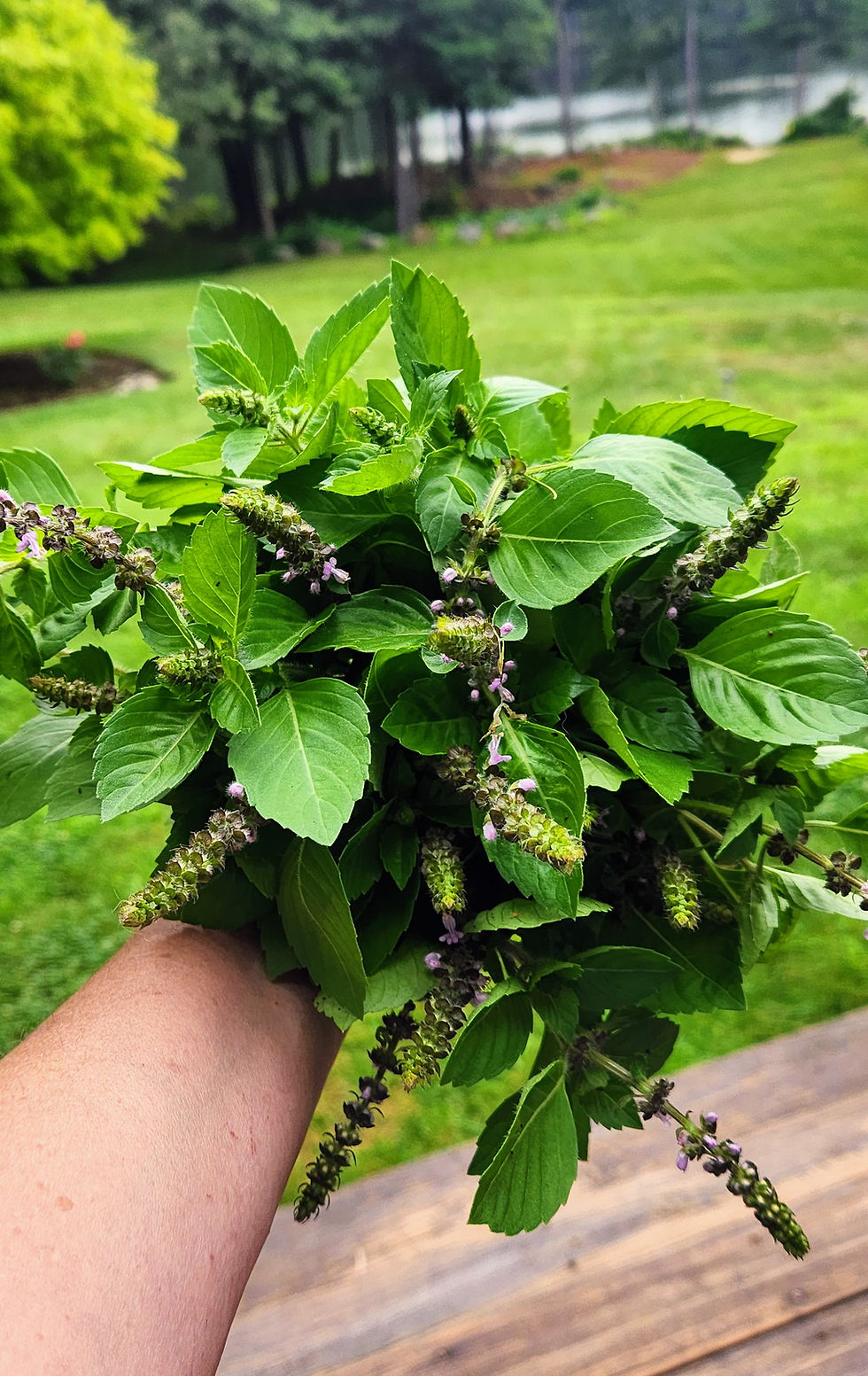
Tulsi is aromatic, pungent, gently bitter, warming, and deeply fragrant, with notes of clove, mint, citrus, or pepper depending on the variety.
Tulsi holds a very special place in Ayurveda. Traditionally, it is valued for supporting clear breathing, healthy digestion, mental clarity, and our ability to adapt through periods of stress. Its warmth and lightness make it an herb that can help move stagnation while its aroma has a wonderfully uplifting quality.
One thing I always remember Julie at the farm saying is that tulsi smells like Juicy Fruit gum—and it is so true.
I love dehydrating it and the way that sweet, spicy aroma fills the whole house.
One of the farm workers, Stu, used to dislike tulsi and would give me his every time, which I happily accepted because I just cannot get enough of it.
Until one day, I brought him my famous TLC tea—tulsi, licorice, and cardamom—to try.
Since then, he loves tulsi.
Which still makes me laugh.
Use it now: Most people know tulsi as tea, but the fresh leaves can also be added to honey, fruit, infused water, or blended with other herbs. Tulsi with mint and a little honey makes a beautiful, aromatic summer drink.
Save it: Dry the leaves and flowers for tea. Tulsi is one of my favorite herbs to have tucked away for later.
Dill
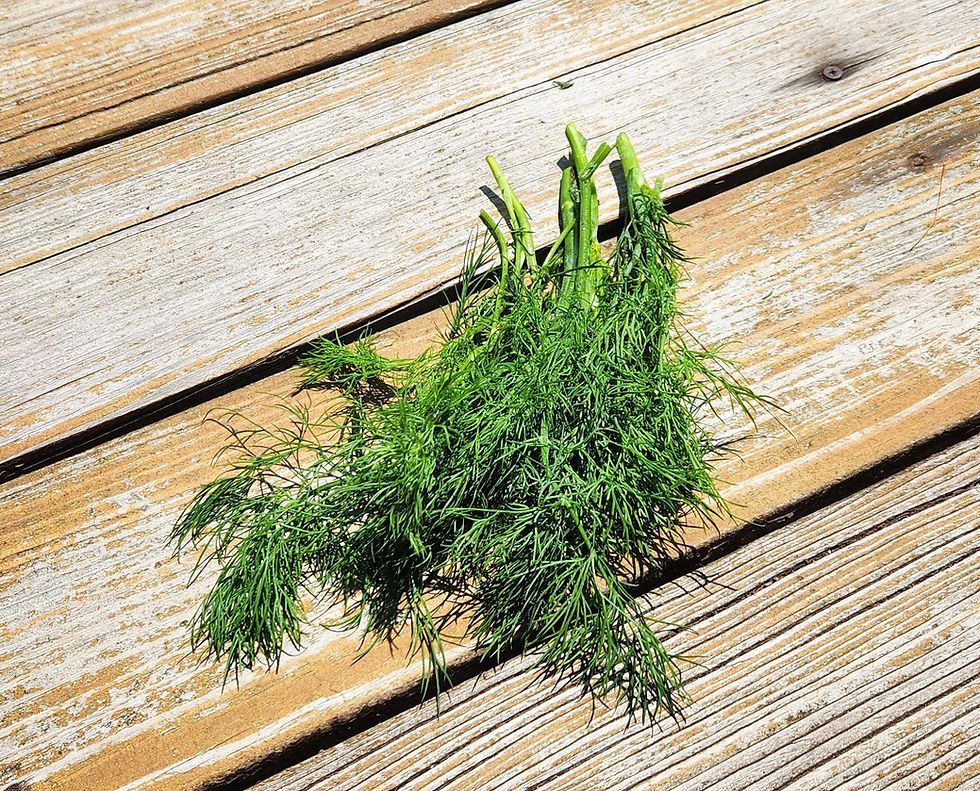
Dill is fresh, aromatic, lightly sweet, gently bitter, and slightly pungent.
Its lightness makes it beautiful with foods like potatoes, eggs, yogurt, fish, beans, cucumbers, carrots, and beets.
Dill has a long history as a digestive herb, particularly for helping food feel lighter and more comfortable.
Use it now: Whisk dill into yogurt with lemon and black pepper. Stir it into softened butter for carrots or potatoes, or blend it with parsley into a fresh green dressing.
Save it: Both the leaves and seeds can be dried and used later.

Parsley
Parsley may be the ultimate example of an herb being reduced to garnish.
And it is so much more than that.
Its flavor is green, fresh, slightly bitter, and gently pungent.
From an Ayurvedic perspective, those bitter, light, and fresh qualities can help bring balance to foods that feel rich or heavy. It adds brightness without requiring much effort.
Western herbal traditions have also long valued parsley for supporting healthy elimination and fluid balance—a nice example of another tradition recognizing that this humble kitchen herb has a life beyond decorating a dinner plate.
Use it now: Blend parsley with lemon, olive oil, garlic, and salt for an easy green sauce. Chop it generously into rice, soups, eggs, vegetables, beans, meat, or salad.
Save it: Parsley can be dried, but it also freezes beautifully blended with olive oil.

Mint
Mint is cooling, aromatic, refreshing, and gently pungent.
Ayurveda often turns to mint when we want cooling freshness while still keeping some digestive liveliness in the meal. It can be especially welcome during hot weather or alongside foods that are spicy, rich, or heating.
Use it now: Mix mint into yogurt with lime and salt. Add it to cucumber salad, fruit, infused water, tea, grain dishes, peas, or chutney.
Save it: Hang mint in bunches to dry for tea, or blend it with olive oil and freeze it for savory dishes.

Sage
Sage is earthy, aromatic, warming, bitter, and somewhat astringent.
It is strong enough that a little can completely change a dish. Its warming, drying qualities make it a natural partner for richer, sweeter, or heavier foods such as winter squash, potatoes, beans, meats, and butter.
Sage has also been valued traditionally in Western herbalism for digestion, the throat, memory, and women's wellness.
Use it now: Finely chop sage into softened butter or ghee with black pepper and salt. Melt it over squash, potatoes, beans, eggs, chicken, or sourdough.
Save it: Sage dries exceptionally well and retains plenty of flavor.

Fennel Fronds
Please do not throw away those beautiful feathery fennel tops.
Fennel fronds are softer and lighter in flavor than fennel seed, with a fresh sweetness and gentle anise note.
Fennel is one of Ayurveda's beloved digestive plants.
What I especially love about fennel is that it supports digestion without bringing a lot of additional heat. Its sweet, aromatic nature makes it a lovely choice when we want digestive support with a gentler touch.
Use it now: Chop fennel fronds into yogurt dressing, salad, eggs, fish, potatoes, grain bowls, pesto, or softened butter. Blend them with parsley, lemon, olive oil, and salt for an easy green sauce.
Save it: Dry the fronds or blend them with olive oil and freeze them. They are also wonderful tucked into soups and broths.

Green Onion Tops
Green onion tops may not technically be an herb, but I use them like one—and they are another beautiful ingredient that can easily be overlooked or underused.
They bring fresh onion flavor without the intensity of a mature bulb.
From an Ayurvedic perspective, their pungency brings warmth and movement while the tender green tops feel lighter than the mature bulb.
Use them now: Add green onion tops to dressings, dips, eggs, rice, soups, vegetables, potatoes, butter, or savory yogurt sauces.
Save them: Chop and dry them. Once completely dry, crumble them into soups or grind them into green onion powder.
Want to go a little deeper? Many of these herbs are also included in my Living Food Guide, where I explore their Ayurvedic qualities, seasonal use, preparation, storage, and preservation in more detail.
Preserve Fresh Herbs Without Making It Another Project
One of the things I love about Ayurveda is that it does not ask us to separate nourishment from everyday life.
Our kitchen practices are part of how we care for ourselves.
Preserving food can be part of that same rhythm.
People sometimes assume they need special equipment to preserve fresh herbs.
You do not.
I own a dehydrator and absolutely use it, especially when I have large amounts to preserve. But some of my favorite methods require no special equipment and cost nothing.
Chop the Whole Bunch
When I am chopping an herb for a meal, I often chop the entire bunch rather than measuring out only what I need.

I use whatever the recipe calls for and place the rest in a small glass dish—or sometimes half a coconut shell—beside my stove.
Within a day or two, the herbs are dry.
Because they remain visible and within reach, I naturally toss them into whatever I am cooking over the next few days.
Eggs.
Soup.
Vegetables.
Rice.
A skillet of whatever happens to need a little something.
It is preservation woven into cooking rather than another project added to the list.
Hang Fresh Herbs to Dry

When I have a larger bunch, I often tie the stems together and hang it right from my kitchen cabinets.
It takes longer, but it works beautifully.
Once the leaves are completely dry and crumble easily, I remove them from the stems and store them in a clean glass jar.
No dehydrator required.
Hang herbs somewhere with good air circulation and away from cooking steam, grease, strong sunlight, or excessive humidity. Most importantly, make sure they are completely dry before sealing them in a jar.
Freeze Herbs With Olive Oil
This is another one of my favorite ways to preserve herbs.
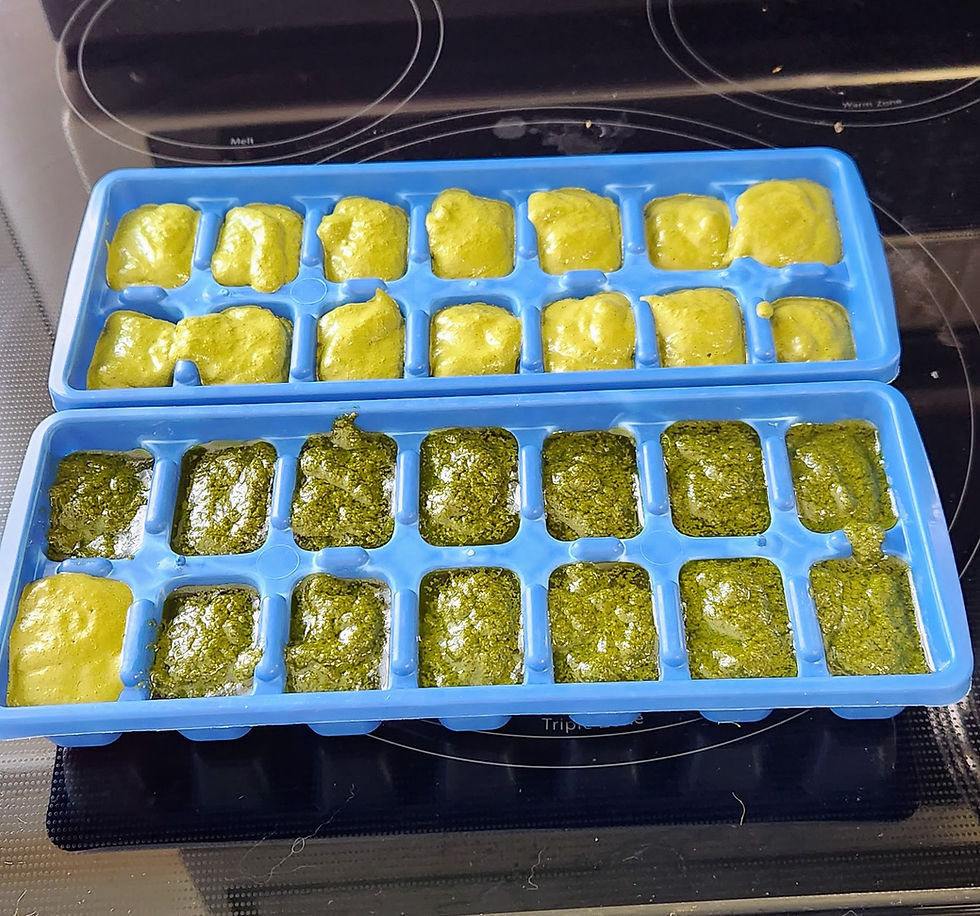
Blend fresh herbs with enough olive oil to create a loose mixture, spoon or pour it into an ice cube tray, and freeze.
Once the cubes are frozen, transfer them to a labeled freezer container.
Later, drop a cube directly into soup, sauce, rice, beans, vegetables, or a hot skillet.
Cilantro, basil, parsley, fennel fronds, oregano, chives, and green onion tops are all wonderful preserved this way.
I think of them as little pockets of summer waiting in my freezer.
10 Easy Ways to Use More Fresh Herbs This Week
You do not need to suddenly become an herbal chef.
Start with what is in front of you.
Mix chopped herbs into softened butter or ghee.
Stir herbs into yogurt with lemon and salt.
Shake herbs, olive oil, vinegar, and mustard together for homemade dressing.
Add a generous handful to scrambled eggs or an omelet.
Blend herbs with olive oil for a loose garden drizzle.
Stir them into rice, quinoa, farro, lentils, or beans.
Add fresh herbs toward the end of cooking soup.
Make herbal tea or infused water.
Chop the whole bunch and dry whatever you do not use.
Blend the extra with olive oil and freeze it for later.
Let the Herbs Become Part of the Meal
Ayurveda continually brings us back to something very simple:
Pay attention to the food in front of you.
Notice its tastes.
Notice its qualities.
Notice the season.
Notice how you feel.
And then use food to create a little more balance.
You do not need to build an elaborate recipe around every bunch of herbs to do that.
Sometimes the herbs simply become the dressing that makes you want to eat the lettuce.
Sometimes they become the butter melting over a warm potato.
Sometimes they brighten yesterday's rice, wake up a bowl of beans, or turn plain yogurt into a sauce.
And sometimes they dry quietly in half a coconut shell beside the stove, waiting to become part of tomorrow's breakfast.
The next time lettuce and herbs arrive together—especially from a place like Many Hands, where herbs are given so generously—do not think of them as separate ingredients.
The lettuce brings its own tastes and qualities.
The herbs bring theirs.
The oil, sourness, salt, herbs, and spices of the dressing help bring those qualities together.
That is food as medicine in its most ordinary and beautiful form.
Not a supplement.
Not a complicated protocol.
Just learning to see the medicine already growing in the field, arriving in our farm shares, and sitting on the kitchen counter.
Fresh herbs are food—not garnish.


Comments